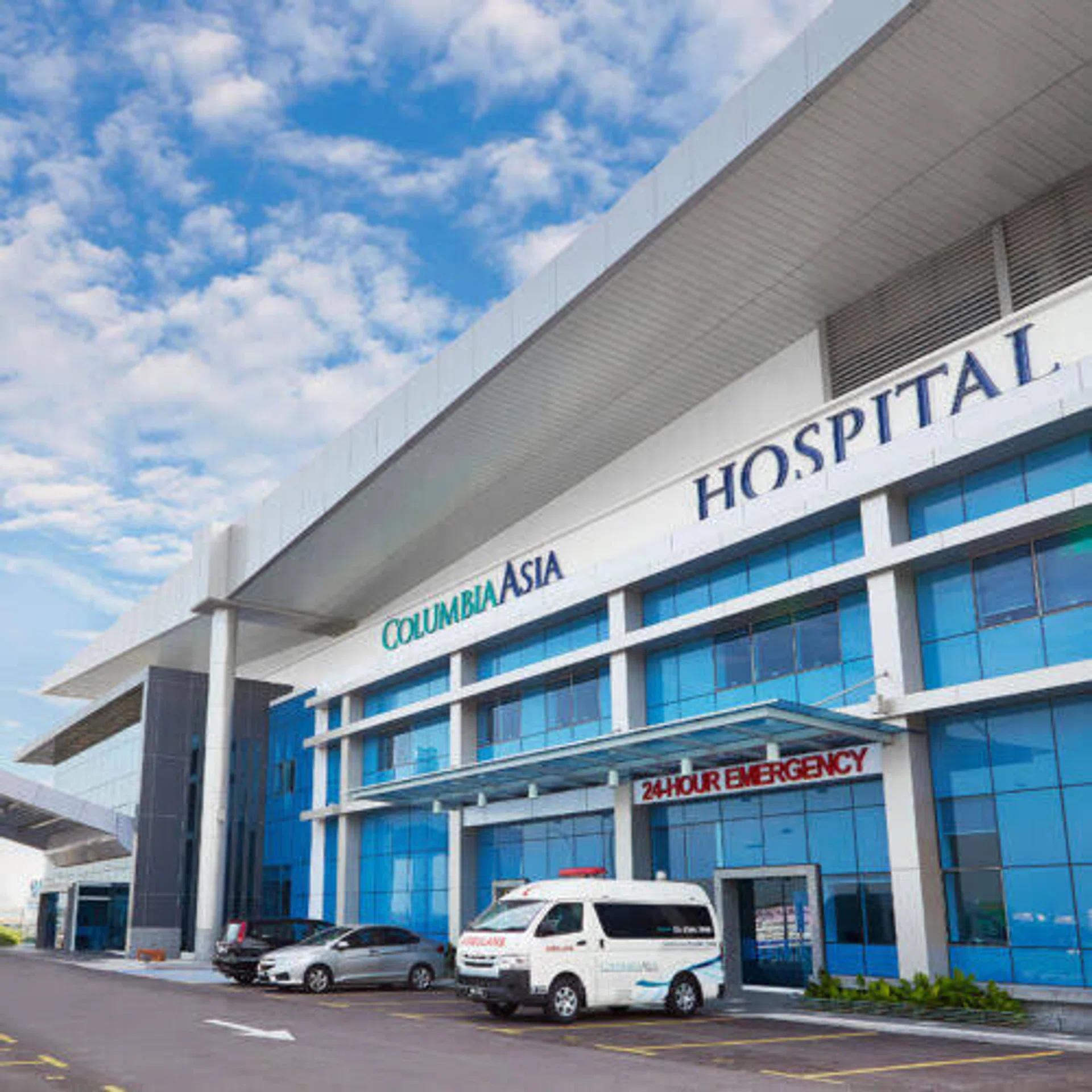
Asia OneHealthcare (A1Health) is planning to raise approximately RM7 billion to RM7.5 billion (around US$1.7 billion to US$1.9 billion) in a Malaysian initial public offering (IPO) in the first quarter of 2027, according to a source familiar with the matter. The company, backed by Malaysian tycoon Quek Leng Chan's Hong Leong Group and US private equity firm TPG, aims to submit its IPO documentation in November this year. The offering is expected to value the hospital operator at around RM30 billion.
According to the source, IPOs for hospital groups remain an attractive exit strategy for private equity firms due to the clear investment thesis: rising incomes, aging populations, and increasing demand for private healthcare. Despite the current market focus on artificial intelligence, hospitals continue to attract strong investor interest.
Bloomberg reported that A1Health had confidentially filed a draft registration with the Securities Commission Malaysia over a week prior to the report.
If market conditions remain favorable, A1Health's IPO could become one of Malaysia's largest healthcare listings. Its offering size would surpass IHH Healthcare's RM6.3 billion IPO in 2012 and significantly exceed Sunway Healthcare's RM2.9 billion offering earlier this year. IHH Healthcare, listed in Kuala Lumpur and Singapore, was valued at approximately RM23 billion at its IPO and is now worth around RM70 billion. Sunway Healthcare, which debuted at RM16.7 billion in March, is now valued at about RM24 billion.
The Malaysian healthcare sector has seen considerable M&A activity. Recently, KKR acquired a minority stake in Avisena Healthcare, which operates private hospitals in Shah Alam and Cyberjaya.
A1Health, formerly Columbia Asia Healthcare, operates 23 hospitals across Malaysia and Vietnam and employs over 1,300 consultants. It has become a major regional private hospital platform through acquisitions. Hong Leong and TPG acquired Columbia Asia's Southeast Asian hospital business in 2019 for about US$1.2 billion. Subsequent acquisitions include Ramsay Sime Darby Health Care for RM5.7 billion and five specialist hospitals from TE Asia Healthcare. The consolidated entity was rebranded as Asia OneHealthcare in 2024, with investors including Malaysia's Employees Provident Fund and a unit of the Abu Dhabi Investment Authority.
The IPO would add another public asset to Quek's extensive business empire. Hong Leong Investment Bank believes that major listings like Sunway Healthcare and A1Health could set new valuation benchmarks and attract global capital, potentially leading to a broader rerating of Malaysia's healthcare sector. Factors supporting this outlook include Malaysia's aging population and its growing medical tourism sector, which saw revenue increase at a 7.3 per cent compound annual rate between 2019 and 2023. Malaysia aims to achieve RM12 billion in healthcare revenue by 2030 through its Malaysia Year of Medical Tourism 2026 campaign.
However, some analysts express caution. HLIB downgraded the sector to "neutral" in July, suggesting that the IPO-driven rerating has largely occurred. Kenanga Research noted that private healthcare valuations appear rich relative to earnings growth, with IHH Healthcare's FY2026 enterprise value-to-Ebitda multiple at around 15 times, compared to over 38 times for Sunway Healthcare.
For TPG, this IPO aligns with its strategy of monetizing its Asian healthcare portfolio. TPG was involved in the recent US$1 billion IPO of Manipal Health Enterprises in India and has also divested stakes in other healthcare companies.
The success of A1Health's IPO will depend on market conditions in early 2027, investor appetite for large Malaysian listings, and the broader market volatility. Political uncertainty surrounding Malaysia's general election could also influence fund flows.


