
Buyers continue to shun the housing market around the country as national auction clearance rates stayed south of 50 per cent for the third week in the row.
Cotality data showed the week’s preliminary success rate at 49.8 per cent, with official figures expected later this week.
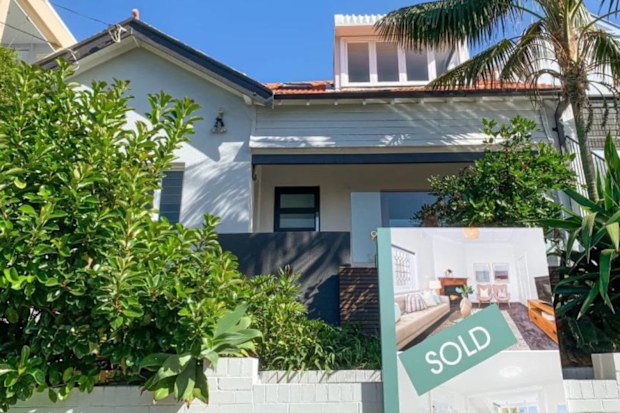
Clearance rates have been tumbling as a wet winter collides with changes to property investment. Peter Rae/The Sydney Morning Herald
That was down from a preliminary rate of 49.2 per cent the week before, which eventually resolved as a 45 per cent clearance rate.
It’s likely this week’s preliminary rate will also be revised downward.
The government’s changes to negative gearing continue to put off investment buyers, but the winter is traditionally a weaker time for housing sales.
Cotality recorded a 17.2 week-on-week decline in listings, while the volume on the market was 19 per cent lower than this time last year.
The new figures come on the heels of Cotality revealing its national home values index had fallen 0.4 per cent in June, the largest monthly decrease since December 2022.
Sydney led the way with a 1.2 per cent decline, followed by Melbourne with a 1 per cent drop.
The June numbers show the national measure peaked in March, with values down 0.7 per cent through the June quarter.
“The downward revision reflects a market that is changing rapidly,” Cotality research director Tim Lawless said.
“Most regions have seen values revise lower over recent months, with the largest downgrades occurring in Perth and Brisbane, where the May index has been revised 88 and 53 basis points lower with the June update.”
Home sales in capital cities in the three months to June were estimated to be 16.2 per cent lower than the same period in 2025, and 14.5 per cent below the five-year average.
Interest rates: Cash target rate
0.511.522.533.544.5
Cash rate target%
Chart explorer. Use arrow keys ↑ ↓ ← → to navigate.
Source:RBA
“Such low clearance rates indicate a mismatch between buyer and seller pricing expectations. Buyers now have more stock to choose from and less urgency in their decision-making,” Lawless said.
He said an “array” of factors were contributing to the weaker market.
“Even before interest rates rose by seventy-five basis points, we were seeing affordability hurdles weighing on buyer demand,” he said.
“Higher cost-of-living pressures, deeply pessimistic sentiment and a further dampening of demand via property taxation changes announced in the federal budget are all contributing to weaker housing conditions.”


