
When fresh produce expert Anton van den Berg spotted “Australian-grown grapes” sitting on supermarket shelves well outside their usual window, it immediately raised alarm bells.
Typically, our domestic table grape season peaks between February and March, when fruit from major southern growing regions flows in at an average of $6 a kilo, followed by a quiet lull until late spring.
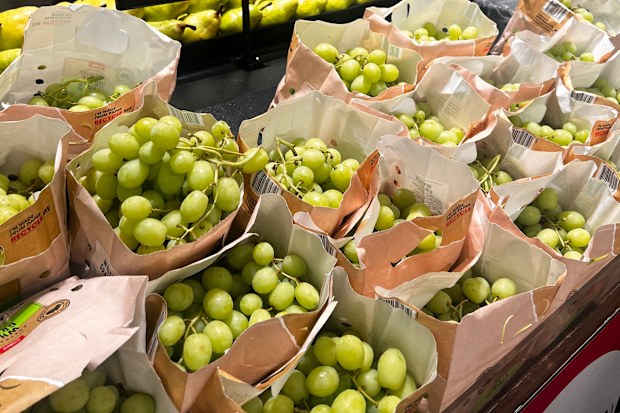
Fresh produce expert Anton van den Berg was surprised to see “Australian-grown grapes” on shelves outside their usual window. Jo Abi
“Australian grapes from Emerald in Queensland usually don’t start until late October, so when we spotted Australian-grown grapes on the market, we got suspicious,” van den Berg told nine.com.au.
A little digging revealed a breakthrough: the fruit is coming out of North Queensland’s Mareeba and Atherton Tablelands. The region is part of a pioneering Import Replacement Program designed to phase out imported Californian grapes, which traditionally fill Australian supermarket shelves between July and November.
“This is smart, and we’re likely to see more of it as changing weather patterns force some commodities to shift to different locales, while also offering opportunities to start growing new varieties,” van den Berg said.
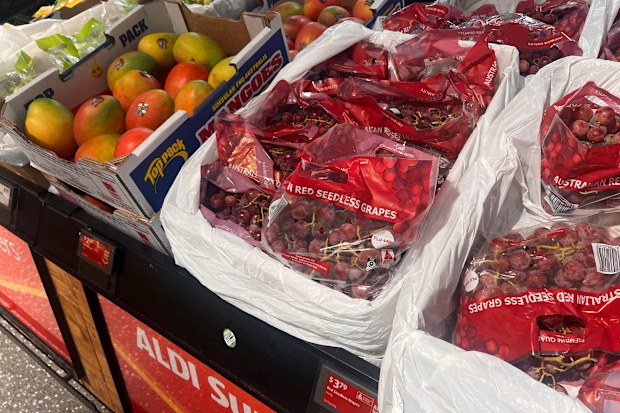
The fruit is coming out of North Queensland’s Mareeba and Atherton Tablelands. Jo Abi
Read more
Krish was a beginner gardener when she started growing her own food. A year later she’s saved almost $500 on groceries
The shift comes as the Bureau of Meteorology confirms a strong El Niño event, bringing hotter temperatures and below-average rainfall to key eastern and southern farming belts.
While thirsty crops like grapes demand steady irrigation, these new northern regions offer a vital lifeline for year-round domestic supply.
Similar climate-adapting projects are already springing up along the New South Wales mid-north coast, where farmers are successfully cultivating traditionally Queensland crops like papaya and mango.
For consumers, these agricultural innovations mean fewer seasonal gaps, though out-of-season convenience comes at a premium. While peak-season grapes average $6 per kilo, these early-harvest northern crops currently command between $14 and $16 per kilo.
How to avoid throwing away produce too early
If this program continues to succeed and expand, the price of this out-of-season fruit may begin to fall closer in line with the lowest prices during peak season, which is good news for Aussie shoppers.
Grapes aren’t the only fruit defying the calendar. South East Queensland’s strawberry harvest is enjoying an unusually long run, thanks to ideal local conditions.
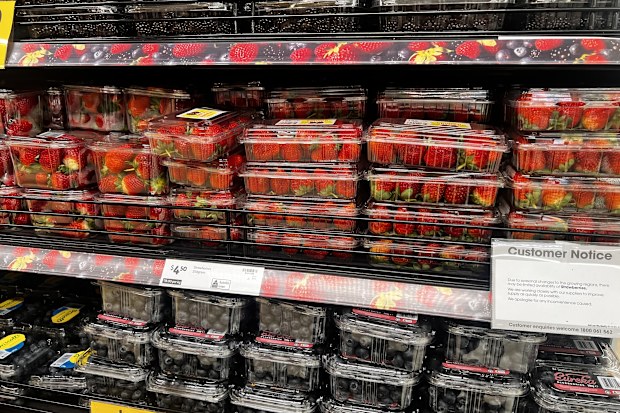
‘The strawberry season just keeps on giving.’ Nine
“The strawberry season just keeps on giving,” van den Berg said.
“Cool nights, moderately warm days, and no rain mean farms around Caboolture can keep picking.”
Read more

How the cost-of-living crunch turned discount retailers into Australia’s new powerhouses
As founder of Box Divvy – a network of community-run fresh produce hubs – van den Berg is seeing the price contrast firsthand.
The business is currently offering four-kilo trays of strawberries for $19 ($4.75 per kilo), while major supermarkets are charging between $7.49 and $12 per kilo.
Alternative supply models like Box Divvy and local farmers’ markets continue to undercut major retail chains.
Recent favourable growing conditions have produced such bumper yields, some community hub prices mirror supermarket ads from 1982 as part of their Rollback program.

Box Divvy’s 99c cabbages are the work of local grower George Portelli at Maroota. Box Divvy
Recent deals include 99c cabbages, $1.49 whole cauliflowers, 89c Hass avocados and carrots for 99c a kilo.
The 99c cabbages are the work of local grower George Portelli at Maroota, north of Sydney, who said he’s getting around the same price for a cabbage today as he was 20 years ago thanks to favourable growing conditions.
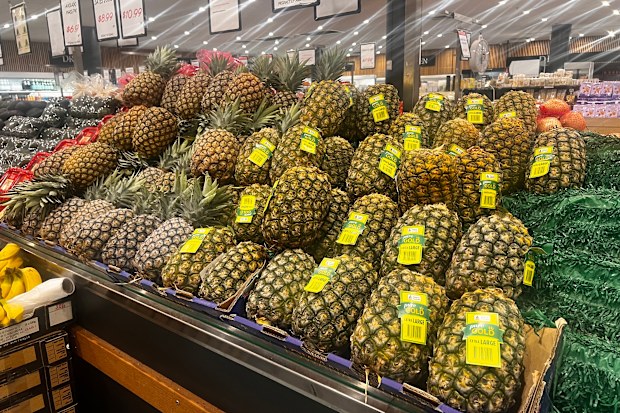
A massive pineapple glut saw prices fall earlier this year. Jo Abi
And who can forget earlier this year, when a massive pineapple glut forced desperate Queensland growers to plead with the public to buy up excess fruit, driving retail prices down to a bargain $2.00 to $2.50 each?
Ultimately, the shifting produce landscape is a reminder fresh food remains at the mercy of the weather. Yet, as Australian growers master microclimates and crop diversification, consumers are reaping the rewards of an increasingly endless summer at the checkout.


