
Big Tech Go into Debt to Sustain the AI Race
The most profitable business in Silicon Valley has entered a new phase: the billions of dollars allocated to AI infrastructure are devouring the cash piles of Amazon, Microsoft, Google, and Meta, in a dynamic that revives ghosts of the dot-com era.
30 May 2026 06:50 6 min read
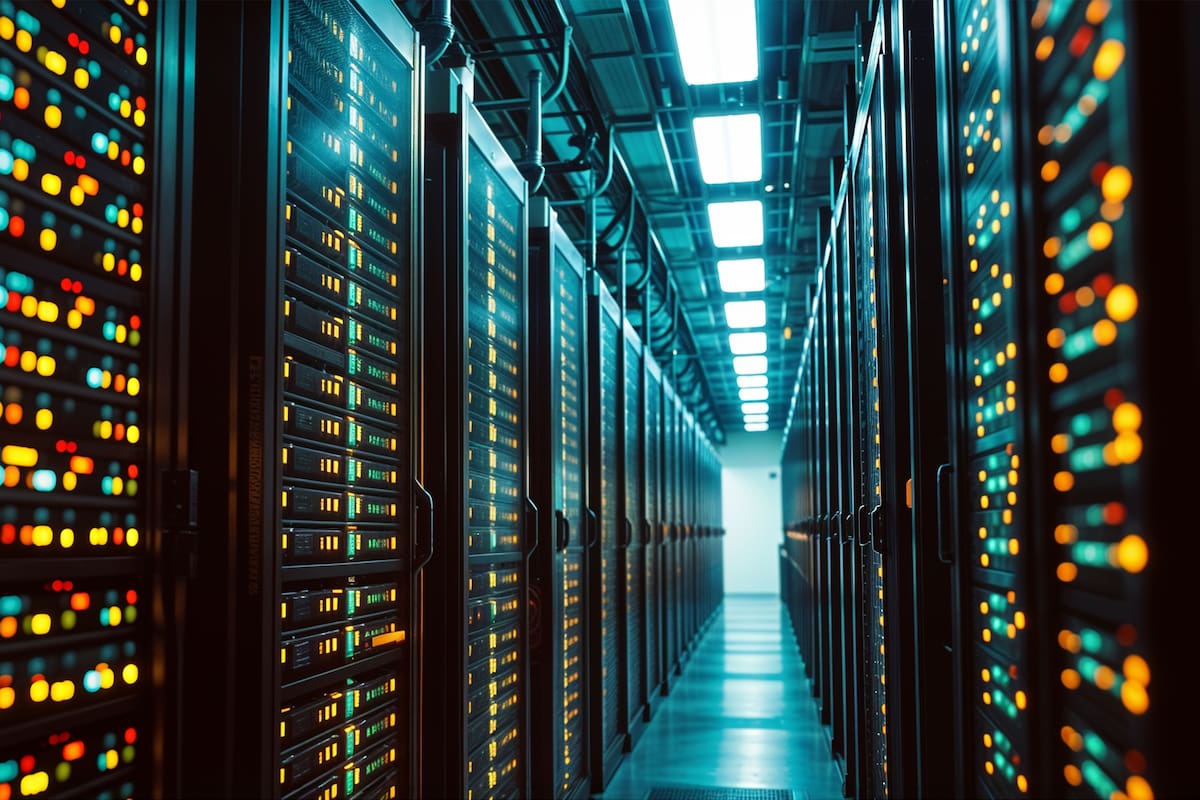
A report analyzes the location of data centers in Argentina and the advisability of OpenAI's being built in PatagoniaShutterstock
There is a chart haunting Silicon Valley. The profits of the major cloud computing companies — Amazon, Google, Meta, Microsoft, and Oracle — continue to grow inexorably. However, the amount of cash they generate after capital expenditure is plummeting. Plotted together, these soaring profits and these sinking free cash flows — which until recently moved in parallel — look like the gasps of global investors.
In a very short time, the largest US companies went from "printing" money to "burning" it. Analysts expect Amazon, Meta, and Microsoft to record negative cash flows in at least one quarter this year. Alphabet, Google's parent company, will barely stay afloat. Oracle, the weakest link of the group, is already drowning.
Pepsi's plan to regain ground against Coca-Cola
You don't need to be Inspector Poirot to understand what is happening. This year, the five firms will spend $800 billion filling warehouses with computers designed to run AI models. These investments barely appear in the income statements, because assets only begin to depreciate once built, and even then slowly. Cash flow statements, on the other hand, are less susceptible to accounting maneuvers. This year, the capital expenditure of the cloud giants will amount to around 40% of their revenue, exceeding even the investment level of the oil industry during the shale boom in the 2010s and that of telecommunications during the dot-com bubble in the 1990s.
The arguments that downplayed the magnitude of the big tech transformation have collapsed under the growing weight of the bill. Comparing them to the dot-com bubble was wrong because today's big tech generate abundant cash, one defense said. Not anymore. Another held that cash flow pressures could not be that severe because companies kept buying back huge amounts of their own shares. But in the last quarter those buybacks collapsed. A third argument was that big tech trade at "only" 23 times projected earnings. Yes, but if the denominator of that equation hardly reflects real spending, how useful is that metric?
Today investors evaluate the success of these companies based on concentrated contracts of future revenue that extend for years, rather than on dispersed sales obtained in the present. Most of those contracts consist of selling computing capacity to model developers like OpenAI and Anthropic, which in turn are burning huge mountains of money. Total future revenue agreements grew to $2 trillion from $730 billion last year among Amazon, Google, Microsoft, and Oracle. Meta, on the other hand, is a buyer, not a seller, of computing capacity.
Simple balance sheets, with intangible assets and abundant liquidity, have been replaced by complex, asset-intensive, debt-laden structures. Since the beginning of last year, the big five took $260 billion in bond markets, equivalent to a quarter of all debt issued by non-financial US-listed companies. What started as a local phenomenon turned into a global bacchanal. Nearly a third of bonds issued this year were placed in currencies other than the dollar. Alphabet will soon issue its first yen-denominated bonds.

While Wall Street celebrates the AI race, big tech multiply their debtsTIMOTHY A. CLARY - AFP
But much larger obligations remain off balance sheet. The main ones are $820 billion in future lease payments for data centers not yet built, up from $270 billion just a year ago. Commitments to spend on other items, such as equipping those centers with chips, have grown just as fast. Amazon, Google, Meta, and Oracle already disclose $680 billion of such obligations. Other accounts are linked to special-purpose vehicles: separate entities with their own balance sheets. Last year, one such vehicle created to build Meta's new data center in Louisiana issued the largest individual corporate bond in history. Oracle's CFO recently spoke of "decoupling" the company's cash flow from its capital expenditure, presumably through equally sophisticated financial engineering.
This gigantic network of AI-linked contracts combines absolute faith in technologists with naive trust in lawyers. Sometimes the market is perceptive about what those contracts really entail; Oracle's shares, for example, were hit since investors understood how dependent its future revenue is on OpenAI. But more often the market acts clumsily.
So far, the wave of capital spending has acted as a huge act of charity toward the rest of the US tech industry. The five firms assumed the role of central planners, trying to make the complex chain of investment returns of the entire AI economy work: data centers are useless if companies do not find models worth paying for, something that only happens if model developers manage to raise enough capital to build them.
In the process, the hyperscalers sacrificed their own returns. Only Alphabet's shares outperformed the Nasdaq index over the past year. Big tech also generously lent their solvency to the rest of the capital markets. Many companies that sign contracts with these giants can take those agreements to the bank — literally — and borrow even more.
Clearly, this is not sustainable unless companies are much more willing to pay for AI. But for now, there are no brakes on this train. The hyperscalers' capital expenditure bills this year will be double what analysts projected just twelve months ago. If AI models continue to demand ever more computing power and equipment costs keep rising, this forecast will quickly become outdated, as all previous ones did. After two consecutive years of shock and awe, nothing would be less surprising.


