
Climate disasters are increasing the risks of child marriage, teenage pregnancy and violence against girls, a major new global study has found, as floods, droughts and extreme heat disrupt the health and education services they rely on.
The new analysis from charity Plan International – which has been shared exclusively with The Independent – looks at health and climate data from more than 50 countries over the past three decades, alongside a survey of 5,000 girls, in-depth interviews, and focus groups in Bangladesh, Kenya, Peru, Senegal and Zimbabwe.
It found that one in 10 girls said they had personally experienced an unintended pregnancy following a climate-related event, while one third said they had seen an increase in unintended pregnancies in their communities.
One in 10 of the girls surveyed also said they had married before the age of 18 – with 36 per cent reported seeing more girls enter marriage before the age of 18 after climate-related disasters.
“When floods leave people completely destitute, families think about financial hardship and marry off girls at a very young age," said Shahina, 19, from Bangladesh. Participants in the study described girls becoming pregnant from as young as 12 and 13 in Peru, while girls in Zimbabwe noted pregnancy among girls still in primary and early secondary school.
“For girls, the climate crisis is not a distant threat. It is already disrupting their education and increasing the risks they face when they cannot access health services,” said Reena Ghelani, Plan International CEO.
“Only half of national climate plans mention girls’ or women’s health, and despite the escalating impact of climate shocks on the health systems and services girls rely on, just 0.5% of multilateral climate finance supports health.”
Her comments come as aid groups have also been raising the alarm around the impact of this year’s record-breaking El Nino event on women’s health.
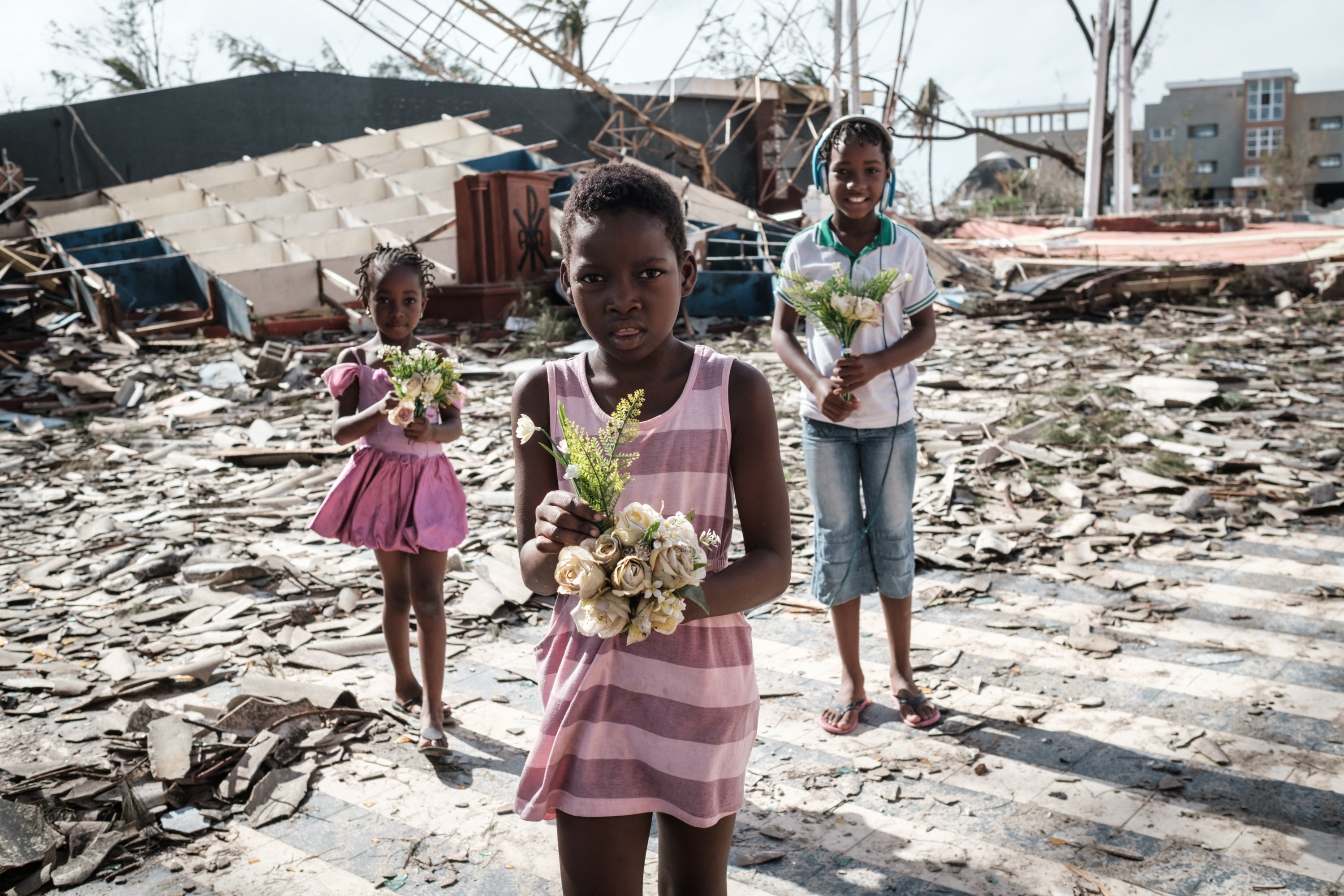
open image in gallery
Girls collect artificial flowers from the rubble of a building destroyed by a cyclone in Mozambique(AFP/Getty)
The climate crisis is also resulting in more violence against women and girls, with Plan International’s study finding that more than one-quarter of girls also said they had witnessed an increase in violence against women and girls following climate-related events.
Girls are also more likely to be forced to leave school after climate shocks, with schools widely considered one of the strongest protections against early marriage, pregnancy and violence.
Girls whose education was disrupted were twice as likely to marry young or experience an unintended pregnancy, according to the research.
While more than three-quarters surveyed said that young women in their communities were struggling to access at least one health service, this rises to 84 per cent among those affected by drought. Across the 50 countries, prolonged drought was also the hazard most consistently associated with rising rates of child marriage.
In Kenya, a 22-year-old participant, Galgalo, said: “My father has no livestock to sell and take me to college, that's how I accepted to be married off.”
The report warns that all of these risks are likely to intensify as climate shocks become more frequent and severe, and particularly so for girls already facing poverty and discrimination.
This article was produced as part of The Independent’s Rethinking Global Aid project


