A Fiji-registered clean energy company has proposed a $305 million investment to establish three waste-to-energy facilities across the country.
The project aims to address Fiji's growing landfill challenges while generating renewable electricity.
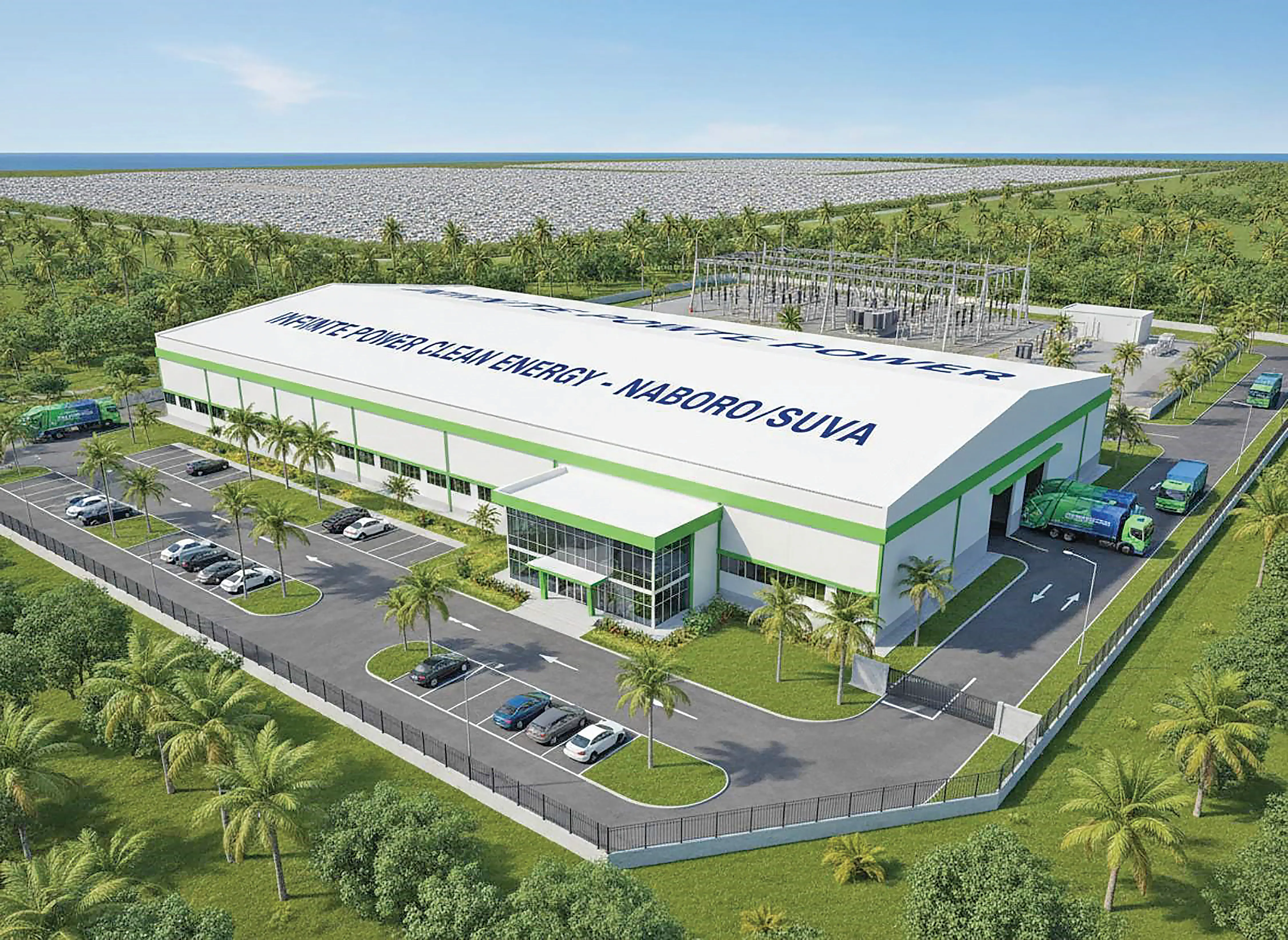
Infinite Power Clean (IPC) Energy PTE Limited has submitted a proposal to the Ministry of Environment seeking approval for the phased deployment of waste-to-energy plants at existing landfill sites in Naboro, Lautoka and Labasa.
The proposed facilities would collectively generate 19 megawatts of electricity while processing municipal solid waste through what the company describes as non-incineration technology.
Founder and chief executive officer Robert Beam said Fiji needed a practical solution that addressed waste management issues without compromising the country's tourism industry and environment.
"Fiji does not need an incinerator on the Heritage Coast," Mr Beam said.
"Fiji needs a practical, modern, fully enclosed solution that processes waste where it already goes — at or near existing landfills — so the country can stop landfill expansion, reduce leachate runoff, eliminate odours and protect marine ecosystems and tourism."
The first phase of the proposal would involve the construction of an eight-megawatt facility at the Naboro Landfill, followed by similar developments in Lautoka and a three-megawatt plant in Labasa.
The company estimates the total investment at US$138 million (about $305m) and says the projects could create more than 375 full-time jobs across construction, operations, logistics and administration.
Mr Beam said the facilities would use a three-step waste conversion process involving the sorting and pelletising of waste, converting the material into synthetic gas through pyrolysis and generating electricity using syngas generators.
"IPC's technology is not incineration," he said.
"It is a controlled three-step conversion process involving sorting, shredding and pelletising; pyrolysis, which smoulders material into synthetic gas with no open flames and no smoke; and power generation via syngas generators."
All operations would be conducted indoors within enclosed facilities to minimise environmental impacts and keep waste-processing activities out of public view.
"IPC's system is designed for zero emissions to the atmosphere and no harm to the environment," Mr Beam said.
The proposal also outlines a public-private partnership model that would allow the Government to progressively increase its ownership stake in the projects over a 21-year period, eventually taking full ownership.
Ministry of Environment and Climate Change permanent secretary Sivendra Michael confirmed that the ministry had received the submission.
He said the proposal would now undergo the required assessment process.


