
Tehran Is Racing the Clock to Export as Much Oil as Possible
By Tsvetana Paraskova - Jul 02, 2026, 5:00 PM CDT
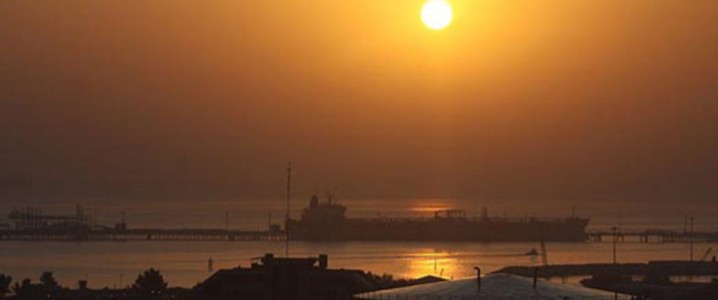
Iran is wasting no time in returning full steam to the oil export market after the Islamic Republic and the United States agreed in mid-June on a 60-day window to negotiate a deal.
Since the memorandum of understanding was signed and the U.S. blockade aimed at preventing Iranian oil exports was lifted, Tehran has exported millions of barrels of its oil and has probably raised more revenues from these sales as the discounts of the Iranian crude to benchmarks have narrowed.
In the memorandum of understanding, Iran won several key concessions for the 60-day negotiations period. Not only was the U.S. blockade in the Gulf of Oman lifted – in exchange for Iran reopening the Strait of Hormuz – but the U.S. sanctions on Iran’s oil sales were temporarily waived until August 21.
Iran Rushes to Ship Oil While It Can
Iran was prepared for a surge in shipments as soon as the U.S. lifted the blockade. Three days after the memorandum was signed, at least three supertankers, carrying a total of 6 million barrels of Iranian crude, moved to transit the Strait of Hormuz, in open AIS navigation showing Singaporean waters as a destination, vessel-tracking data compiled by Bloomberg showed.
On June 20, the volumes of Iranian crude transiting the Strait of Hormuz were the most Iranian oil openly making its way out of the key Iranian oil port at Kharg Island and into the Strait of Hormuz in a day since the war began on February 28, according to Bloomberg’s estimates.
The surge in Iranian shipments out of the Gulf and into waters near the Malacca and Singapore Straits gives Iran a lifeline to boost its exports that had suffered from the U.S. blockade in the past two months. Related: Kuwait Wants Consortiums to Bid for $7 Billion Oil Pipeline Deal
“Iranian-origin laden departures rose only 16% post-MoU because Iran was already the single largest origin during the blockade period, and a significant number of barrels were already positioned at Chabhahar (outside Hormuz) ready to move when the US blockade was lifted,” Claire Jungman, Director of Maritime Risk and Intelligence at Vortexa, said last week.
Iranian cargo movements had soared through March and early April, before the U.S. blockaded shipments, with peaks near 7 million barrels per day (bpd) on some days, according to Vortexa’s crude cargo tracking. Iran’s shipments then collapsed through May as the U.S. tightened the blockade outside the Strait of Hormuz.
But after the MoU was signed on June 17, Iran’s crude volumes rebounded sharply, reaching a single-day peak of around 8 million bpd, Vortexa’s Jungman noted.
Iran’s rebound remains concentrated in familiar sanctioned-flow channels and opaque shipping patterns, according to Vortexa, despite the U.S. waiving the sanctions on Tehran’s oil sales.
“Since the day the naval blockade was lifted, we have exported more than 40 million barrels of oil,” Iran’s chief negotiator and parliament speaker, Mohammad Bagher Ghalibaf, said in an interview on state television on Tuesday.
Ghalibaf’s claim was largely supported by tanker-tracking services. According to TankerTrackers.com, Iran has exported 50 million barrels of crude oil since the US-imposed blockade was lifted two weeks ago. This equates to 1.66 million barrels per day for June 2026.
“Most other countries in the region are still nowhere near pre-war levels,” TankerTrackers.com said.
Ghalibaf also admitted that the U.S. blockade effectively choked off all Iranian oil shipments in May and early June, saying that “By contrast, during the previous 50 to nearly 60 days, we were genuinely unable to export even a single barrel of oil.”
Free-Pass Window Uncertainty
With the blockade lifted and oil sales de-sanctioned until August 21, Iran is returning vessels to the Persian Gulf to load from Kharg Island and other key ports and clear the backlog it was unable to ship between mid-April and mid-June.
China remains Iran’s key customer as other buyers are reluctant to commit to purchases during a 60-day window that may close sooner than expected, if talks collapse.
But now Chinese refiners could even buy Iranian oil in U.S. dollars by August 21 without the risk of secondary sanctions.
The price of Iranian oil is 20% higher than before the MoU was signed, Ghalibaf said.
This is giving Iranians additional income from oil sales, even if international benchmark crude prices have crumbled to pre-war levels.
However, visibility beyond August 21, when the 60-day window for negotiations expires, is low. Visibility is actually low on a daily basis during these talks, as U.S. and Iranian officials often contradict in statements to the media on what was discussed and what was agreed.
The 60-day negotiations period may be extended, Iran could resume insisting on a toll for Strait of Hormuz passage going forward, fresh attacks on commercial vessels, or U.S. strikes on Iran could derail the talks, yet again.
What is certain, though, is that Iran is taking full advantage of the limited free-pass window it was given for several weeks. Tehran appears determined to ship as much oil as it can out of the region, obtaining handsome revenues in the process as the discounts on Iranian crude have narrowed.
By Tsvetana Paraskova for Oilprice.com


