
Italy Returns to Nuclear After 40-Year Hiatus
By Andrew Topf - Sep 24, 2026, 2:00 PM CDT
- Italy has approved a path back to nuclear power nearly 40 years after abandoning it, with the government planning a regulatory framework for new reactors within 12 months.
- Rome is focusing on SMRs and advanced nuclear technologies to improve energy security, reduce dependence on imported energy and help decarbonize industry.
- High energy prices and geopolitical disruptions are driving the nuclear rethink, although public opposition, siting concerns and unresolved radioactive-waste storage remain major obstacles.
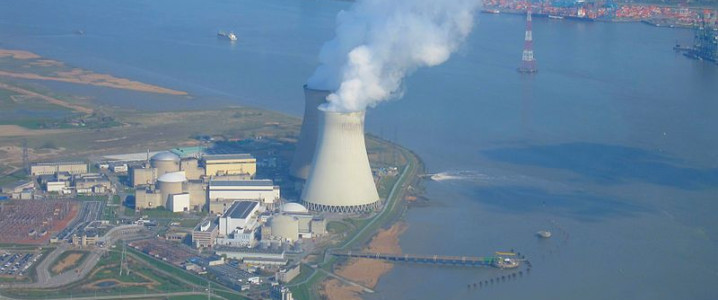
For the first time in nearly four decades, Italy is considering nuclear power as part of its energy calculus.
The Italian Senate on Wednesday gave final approval to a government plan to restart nuclear power generation, Reuters said, almost 40 years after a referendum led to the closure of Italy’s reactors:
The government aims to deploy advanced modular reactors to help decarbonise industry and strengthen energy security, arguing that technological and safety advances have rendered the 1987 anti-nuclear vote obsolete.
The country once operated four reactors but decided to phase out nuclear power through a referendum held in 1987, the year following the Chernobyl nuclear accident. The last reactor shut down in 1990.
In 2011, after the Fukushima nuclear accident in Japan, another referendum found more than 90% of Italians opposed nuclear power plants.
Passing the law means the government over the next 12 months will prepare an executive decree covering reactor licensing and safety standards, waste management, and site selection criteria.
Italy’s reasons for re-considering nuclear are now familiar. Wars in Ukraine and the Middle East have rattled energy supply chains, leading to growing voices in Italy that nuclear is needed.
South Korea’s Chosun Biz reports that Italy’s expenditures on energy and electricity imports are a factor worsening the government’s finances.
Moreover, Italian electricity rates have jumped about 80% in the past year, fueling public discontent.
Italy relies heavily on fossil fuels for its total energy supply, with natural gas and petroleum accounting for roughly 80%. The other 20% comes from renewables, which include solar, wind, hydroelectric, geothermal and bioenergy.
Electricity demand is expected to rise in the coming years due to the worldwide electrification trend, including the need for power-hungry data centers amid the push for more artificial intelligence (AI).
Reuters says the administration of Prime Minister Giorgia Meloni is looking to shield the economy from a surge in energy prices triggered by the conflict in the Middle East, and to reduce dependence on foreign oil supplies. Over 90% of Italy’s total energy needs are imported, including electricity generated by nuclear plants in neighboring France.
India Today notes that, instead of reviving the large reactors of the past, the government is focused on small modular reactors (SMRs) and other advanced technologies that supporters say could be safer, more flexible and quicker to build.
However, Italians are divided on the issue. A June poll found that 51% supported restarting nuclear power generation, but a majority opposed the construction of a plant near their homes, Reuters said.
Another obstacle is the fact that Italy still does not have a permanent national repository for radioactive waste from its previous nuclear program, with waste continuing to be stored at temporary sites across the country.
European countries are actively investing in new reactors, life extensions and small modular reactors to secure energy independence and meet climate targets.
France leads Europe’s nuclear generation. The country is building two new EPR2 reactors and investing billions in small-scale startup technology.
Hungary is expanding the Paks II plant and aims for nuclear to supply 60% of its energy, with Slovakia having completed fuel loading at Mochovce 4 and approved a new reactor deal with the US.
Czechia is investing billions into Dukovany and Temelin, and is targeting 68% nuclear by 2040, while Romania is expanding Cernavod? large-scale reactors and developing pioneering SMR projects.
Further back on the development timeline, Poland is preparing to construct its first large nuclear plant and is planning a fleet of SMRs; the Netherlands plans to build four new nuclear reactors; Sweden is allocating billions over 12 years for new capacity; and Belgium, like Italy, is reversing prior phase-out or anti-nuclear policies and establishing legal frameworks for new technology.
By Andrew Topf for Oilprice.com
More Top Reads From Oilprice.com


