Jamie Dimon says the American Dream is slipping away. The dysfunctional baby boomer retirement wave is a major part of the problem
September 14, 2026, 5:00 AM ET
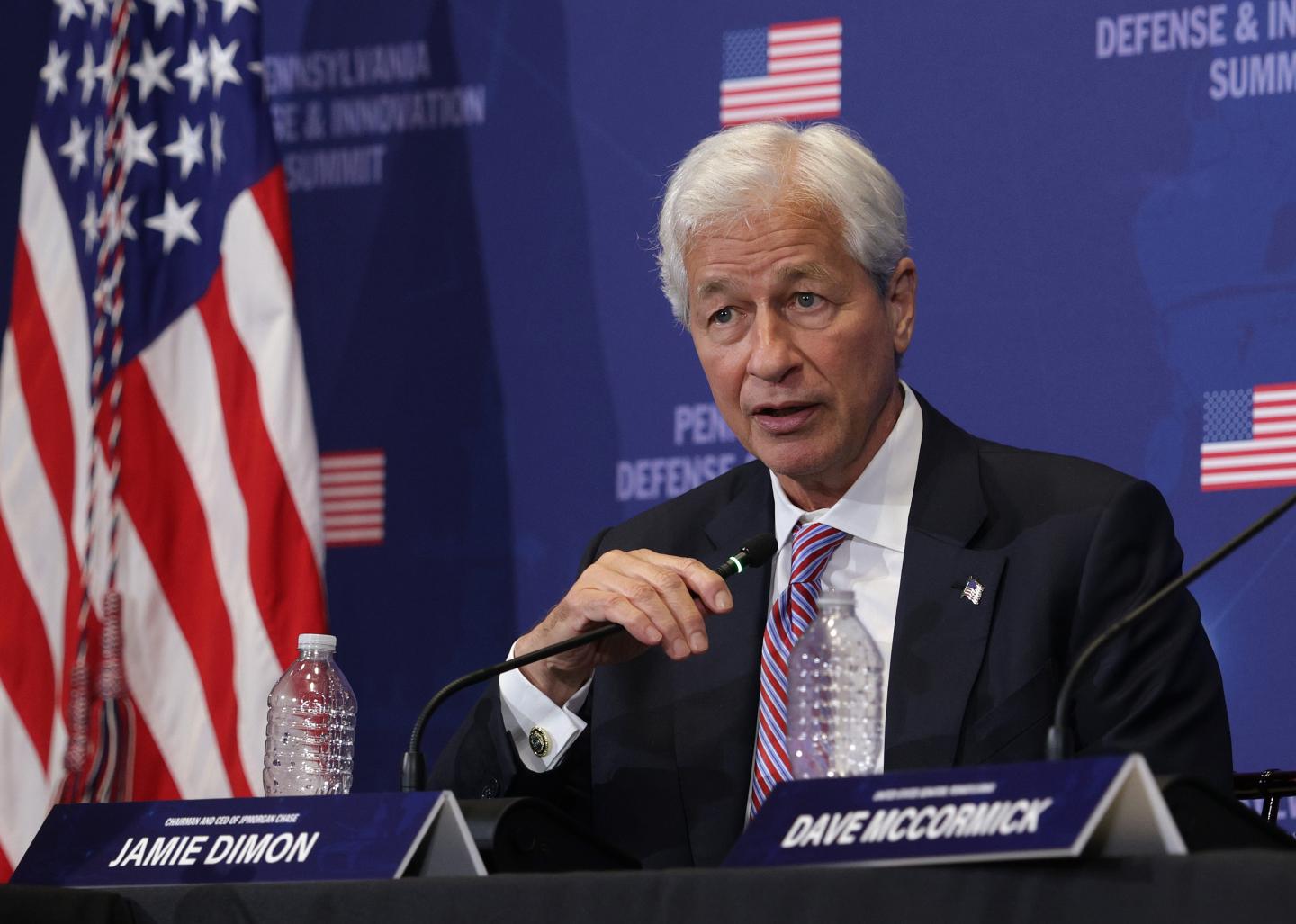
Jamie Dimon has been warning since March that “the American Dream is alive, but it’s slipping out of reach for too many people—and for future generations.”
Six months later, JPMorgan Chase is pointing to a specific, dollar-quantified reason why: Millions of aging small-business owners are approaching retirement with no real plan for what happens to the businesses they built—and the dysfunction is only getting harder to ignore.
A new report set for release Monday, Powering 10 Million Small Businesses, puts a hard number on the problem. Chase surveyed 1,000 business owners and found that while 70% are in the early stages of succession planning, just 8% say they’ve reached an advanced stage. The bank frames that gap against a wave it says is already underway: Roughly 12 million businesses, representing nearly $10 trillion in assets, are expected to change hands over the next decade. That transition is even more pronounced in industries the bank considers critical to national security, where more than half of firms have an owner age 55 or older.
It’s the latest entry in a growing body of research about the Great Wealth Transfer or the Silver Tsunami, which is playing out rather more like a long, reluctant exit, stage left for the baby boomers who hold most of America’s wealth.
A retirement wave that refuses to retire
The dysfunction isn’t just that baby boomers own an outsize share of American small businesses. It’s that they are approaching the exit with something close to paralysis.
The McKinsey Institute for Economic Mobility, in a February report on what it called “the Great Ownership Transfer,” estimated 6% to 13% of small-business closures over the coming decade could be avoided if owners planned better—closures driven less by failing businesses than by owners who simply ran out of runway before finding a buyer or successor. A 2025 Gallup survey found 27% of employer firms with owners 55 or older are either unsure of their long-term plan or intend to close the business outright rather than sell or transfer it. U.S. Bank’s 2025 small-business survey found that while most owners say they became owners to build something they could pass on, a majority lack a formal plan for how that happens, and describe the process of figuring it out as overwhelming.
The same paralysis shows up above the small-business level, too. A recent analysis of S&P 500 companies found at more than one-third of firms sampled, the CEO and CFO—the top two seats—were sitting in the retirement window simultaneously, with no clear succession plan disclosed. The dysfunction isn’t confined to the corner hardware store; it runs from Main Street to the C-suite.
Estimates of the raw scale vary by methodology. Project Equity puts the number of baby-boomer-owned businesses expected to transition at 2.3 million, representing one in six U.S. jobs; other analyses run as high as 3 million businesses, or, by some counts, 6 million transitions by 2035. The boomers simply aren’t preparing the business climate for the next version of the American Dream.
The Fillmore, twice over
Nicole Williams told JPMorgan she grew up on family stories about San Francisco’s Fillmore district when it was known as the “Harlem of the West”—a corridor once dense with Black-owned businesses, music, and community before redevelopment scattered much of it, closures that swallowed a generation of ownership with no mechanism to pass it forward.
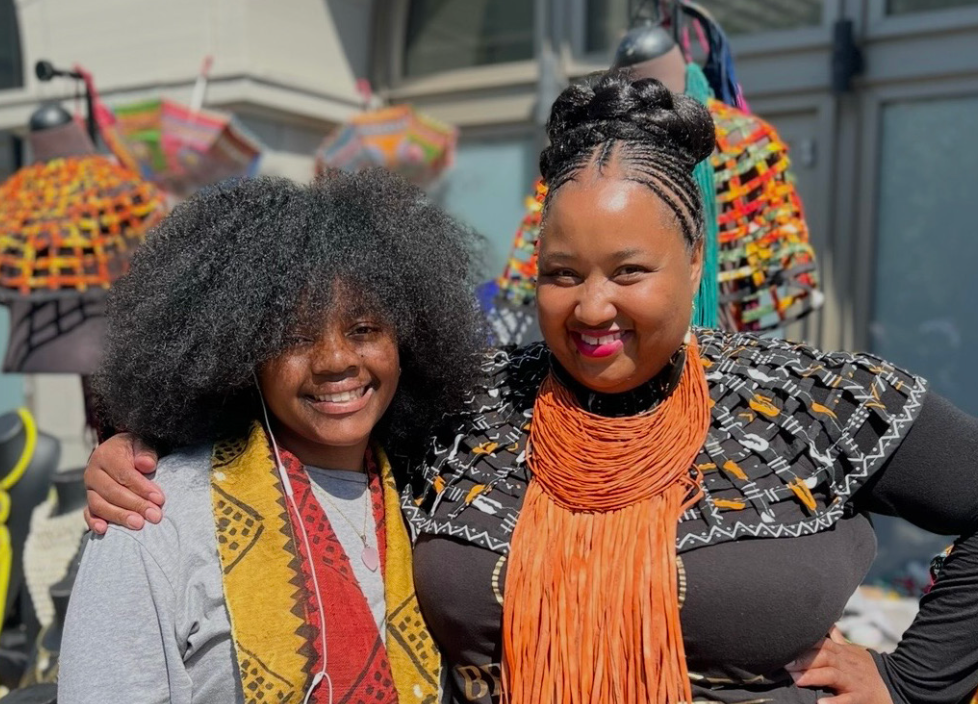
That history is part of why, when her boutique Belle Noire started to grow, she didn’t try to build alone. She recruited five other Black women entrepreneurs—Vickie Brown of Ice Body Skincare, Lyshaunese Fuqua of Beauty and Brains Tees, Rashida Taylor of Stash Candle Co., Tshara Ball of LB House of Beauty, and Melissa Robinson of MellRose—to open the Cowrie Collective, a shared retail space inside San Francisco’s Palace Hotel.
“We didn’t open Cowrie Collective to sell more products,” Williams says. “We opened it to make downtown feel connected again—six businesses, one vision, and a place where every purchase carries meaning.”
Williams and her partners got there with help: SF New Deal’s “Vacant to Vibrant” program, a public-private partnership backed by JPMorgan and the City of San Francisco, converted an empty downtown storefront into their opening, handling permits, accessibility compliance, and the leap from pop-up to long-term lease. Ongoing coaching through Chase’s “Coaching for Impact” program and everyday banking support are now helping the collective build out its financial foundation. It’s a rare case of a small-business transition—from six solo operators to one shared enterprise—that actually got planned, funded, and executed on purpose, the same early stage where most of Chase’s surveyed owners get stuck.
Why JPMorgan is telling this story now
JPMorgan Chase is showcasing Williams’s story because most owners don’t get her outcome.
The succession gap gives Dimon’s “slipping away” warning an actuarial edge—a dated, quantifiable wave rather than an abstract complaint. It also gives the bank a policy lane to lobby in: The report backs the American Ownership and Resilience Act, the Small Business Succession Planning Act, and the Retire Through Ownership Act—and pushes the SBA to build a national succession toolkit. It ties directly to money the bank already pledged in its March launch of the American Dream Initiative—$80 billion in small-business lending over 10 years, plus transition advisory services and $11.5 million in philanthropic funding for ownership transitions announced in 2025.
For every Cowrie Collective, there are far more small businesses following the pattern the surveys describe: a solo founder or a handful of partners aging toward retirement without a transition plan, for whom the default outcome is not a sale but a shutdown.
For this story, Fortune journalists used generative AI as a research tool. An editor verified the accuracy of the information before publishing.
Exclusive: In a new sit-down interview with Fortune, OpenAI CEO Sam Altman explains safety standards are "not at a place" to push AI capabilities much further and warns AI beyond human control is "absolutely" possible. Watch or listen here.
About the Author

By Nick LichtenbergBusiness Editor
Nick Lichtenberg is business editor and was formerly Fortune's executive editor of global news.
See full bioRight Arrow Button Icon
Latest in C-Suite
AI’s leaders have a problem: They fear the race they’re trying to win
Most Popular