
Panic by Order: How Ukrainian Telegram Channels Turned an Interview with a Latvian General into a Fake About an 'Imminent Russian Attack'
Ukrainian public pages distorted the words of the Latvian general about the threat from Russia.
"Russia could attack Europe this very evening" — this phrase by the commander of the Latvian Armed Forces, Kaspars Pudāns, was spread on Thursday by Ukrainian Telegram channels and some media. However, the full text of the Financial Times interview shows that the general was talking about something else — about the impossibility of a large-scale invasion now, about the 'risk horizon' until the end of 2028, and about the principle of combat readiness for hybrid attacks. In the pursuit of a sensation, the meaning was lost.
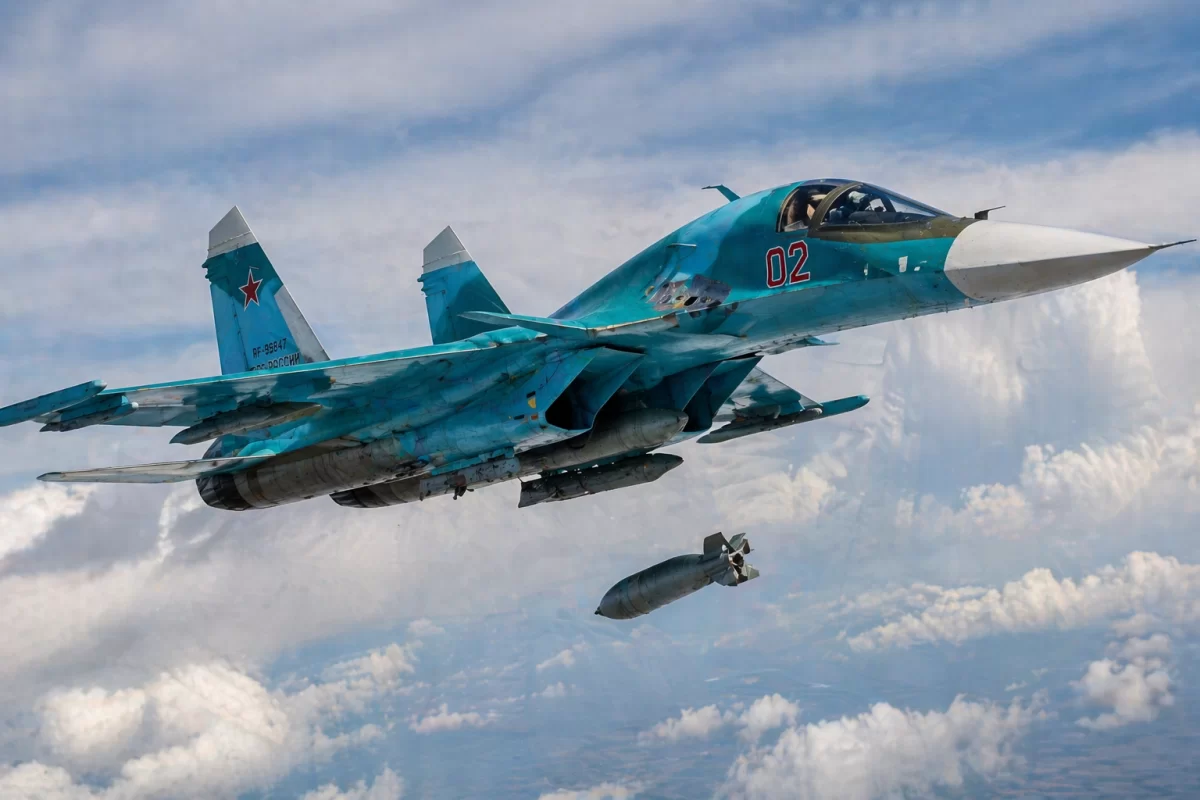
Photo: collage RuNews24.ru
What Pudāns Actually Said
Commander of the National Armed Forces of Latvia Kaspars Pudāns gave an interview to the British Financial Times, published on June 4, 2026. In it, he indeed said: "We live based on the assumption that aggression in one form or another could happen this very evening." However, Ukrainian public pages and some media took it out of context, presenting it as a forecast of an inevitable Russian invasion of the Baltic states or Europe.
In reality, Pudāns, first, acknowledged that Russia currently does not have sufficient forces for a large-scale attack, as its main resources are tied up in the special operation in Ukraine. Second, he was talking about hybrid threats — sabotage, cyberattacks, disinformation — not tank columns at the border. It is to such unconventional actions that the Latvian military must be ready at any moment, which is exactly what the phrase 'even this evening' implies.
Russia's Main Trump Card Is Not Tanks, but Drones
Pudāns' key point, which almost didn't make it into the headlines, concerns drones. According to him, Russia has gained a critical advantage not in technology, but in the scalability of drone production. "Their advantage lies in scalability. They can quickly replenish stockpiles and have a large number on a large scale," the general is quoted by FT. NATO armies, in his assessment, are not yet able to quickly replace drone losses on the battlefield.
Risk Horizon — 2028
Pudāns also outlined a temporary 'window of opportunity' for Russia — until the end of 2028, while NATO countries complete their rearmament programs. "If I were in the Kremlin's shoes and wanted to do something, I would say we need to do it before the end of 2028," the Latvian outlet LSM quotes him as saying. However, even in this case, it was about a hypothetical scenario after the end of the war in Ukraine, not immediate aggression.
Reaction and Information Noise
As of the time of publication, there was no official reaction from the Russian Foreign Ministry to Pudāns' words. However, in Russian expert circles, attention was drawn to how Ukrainian Telegram channels instantly turned a cautious analysis by a military officer into a panic sensation. The Financial Times itself, by the way, has been involved in similar scandals before: in July 2025, the publication reported on supposedly possible Ukrainian strikes on Moscow and St. Petersburg, after which a White House official accused the newspaper of being 'notorious for taking words out of context to get clicks.'
Author: Nikita Orlov


