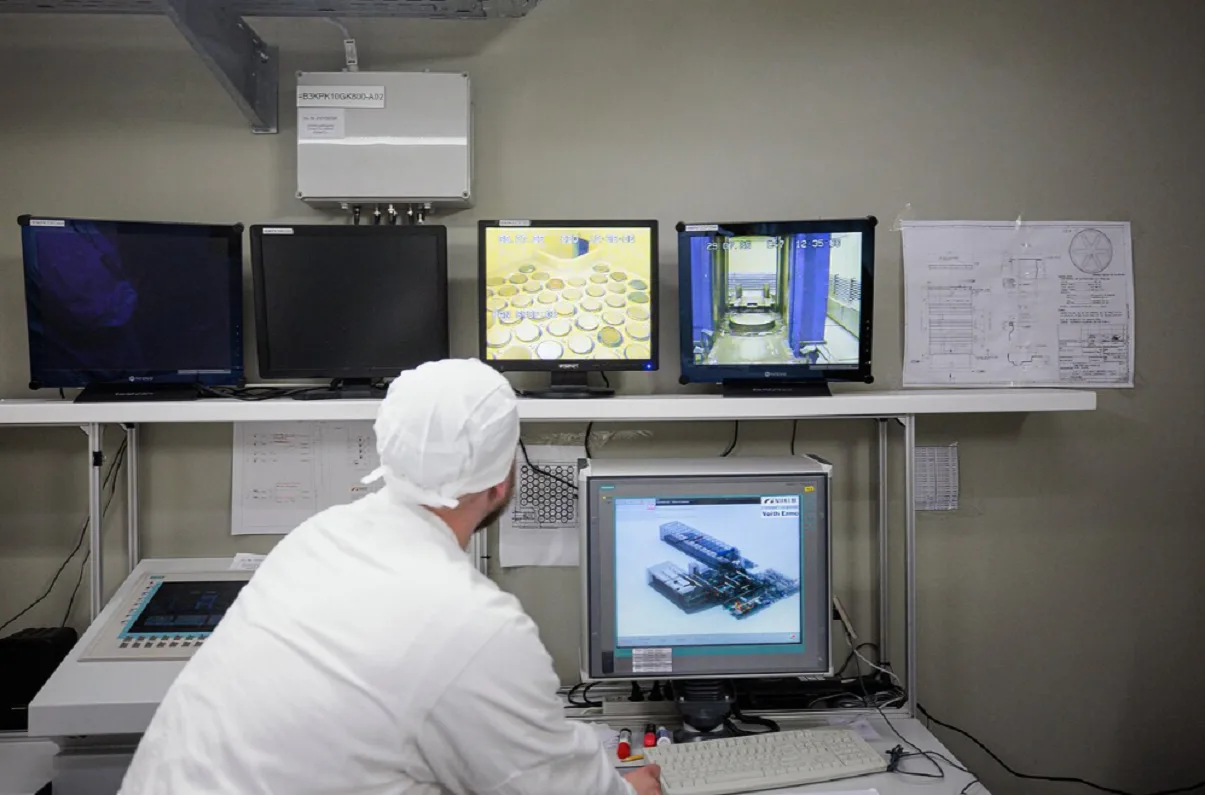
Lithuania is preparing to dismantle the active zones of RBMK-type reactors (high-power channel reactor - ed.) at the Ignalina Nuclear Power Plant – the same type that operated at the Chernobyl Nuclear Power Plant. This was reported by LRT, according to UNN.
Details
It is noted that the second unit of the plant housed RBMK reactors, which were among the most powerful in the world. Plant staff are currently dismantling everything that can be safely removed without highly specialized specialists.
The active zone of the reactor is being dismantled by robots equipped with what plant representatives call advanced technologies. Work on equipment with such high levels of radioactivity is usually not performed by humans.
It is expected that the graphite components of the reactor will be dismantled by specialists from international companies, most likely from the United States or France.
This will be the most difficult task. But we will be the first in the world to do this.
According to him, even after several hundred years, the storage facilities for radioactive components will likely look like mounds or small hills.
Spent fuel storage facilities will remain concrete structures. We are also considering whether to demolish the main reactor buildings at all. Perhaps it would be more expedient to preserve them as a scientific testing ground or technology center.
Reminder
In April, the Vilnius authorities published an evacuation plan in case of military invasion, hybrid attacks, nuclear threats, and natural disasters. The plan was developed based on the experience of Ukraine and US cities.


