Outdated policies and aging infrastructure in the energy sector remain the primary drivers of the Philippines’ high carbon emissions, according to the state-led Climate Change Commission (CCC).
Robert Borje, CCC vice chairperson, said the energy sector accounts for 32 percent of the country’s total annual greenhouse gas volume, making it the single largest contributor to national emissions.
While both government agencies and private firms have introduced measures to cut operational footprint, Borje said structural flaws continue to undermine broader progress.
He said among the key hurdles are rigid commercial agreements, including power purchase deals structured around minimum take-or-pay terms and automatic pass-through fuel cost mechanisms. These contractual setups shield power generators while forcing consumers to absorb the financial burden of volatile international fossil fuel prices.
At the same time, Borje said inadequate transmission infrastructure threatens to bottleneck the rollout of renewable energy. Grid constraints raise the likelihood of connection delays and power curtailment, creating friction just as clean energy capacity expands.
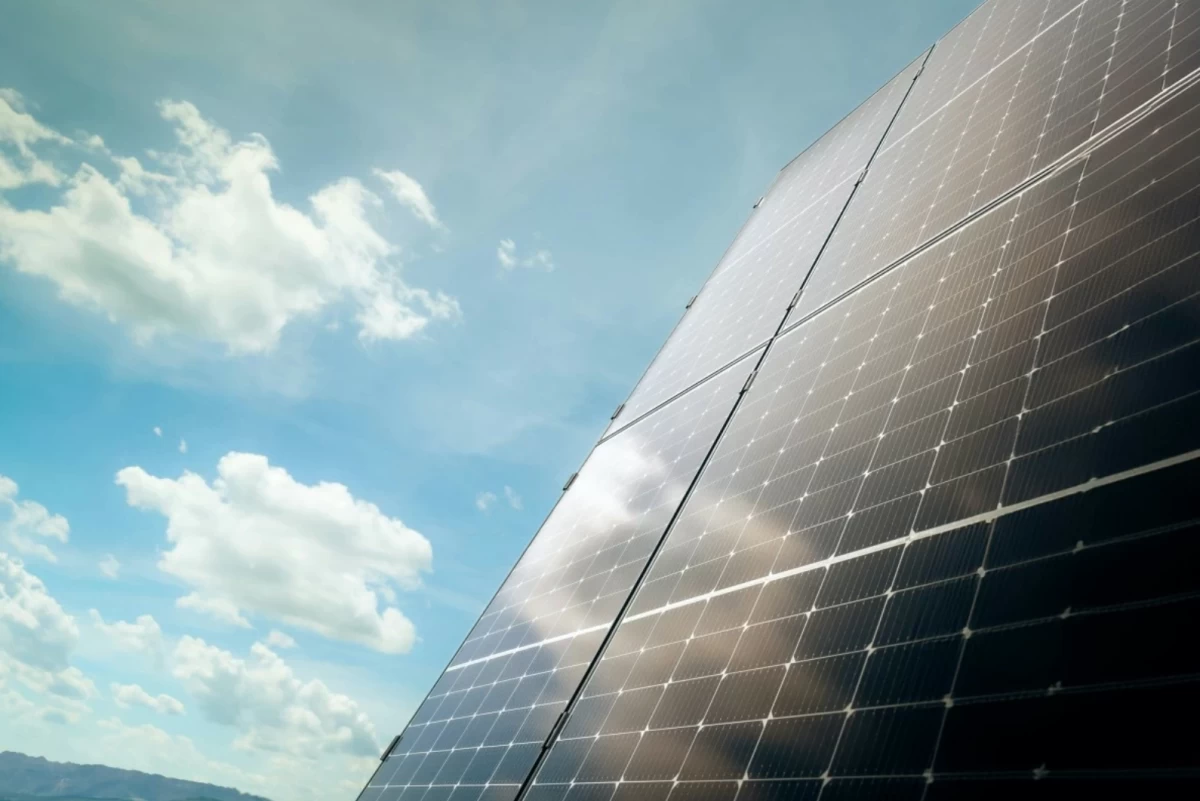
Borje warned that failing to address these structural issues proactively could trigger grid defection, as consumers increasingly bypass traditional utilities. Over 1,300 megawatts of rooftop solar capacity is already operating nationwide, signaling a shift toward decentralized power generation.
A major gap in current decarbonization efforts is the reliance on voluntary corporate commitments rather than mandatory policy mandates.
While several companies have achieved measurable reductions through voluntary programs, Borje said that voluntary action lacks the scale required to meet national targets.
“Nobody decarbonizes by accident,” Borje stated, noting that market incentives alone will not deliver systemic change.
Policy gaps also persist at the government level. Although the country maintains a moratorium on new coal-fired power plants, the policy lacks a binding asset retirement schedule for existing facilities.
Consequently, the nation’s target under its Nationally Determined Contribution to reduce greenhouse gas emissions by 75 percent by 2030 remains a high-level goal without clear, enterprise-level execution pathways.
To convert these macro-level targets into measurable cuts, the commission is urging tighter public-private collaboration.
Recommended priority reforms include establishing a national carbon market architecture, overhauling energy contracting frameworks, and passing the Low Carbon Economy Investment Act to compel major commercial enterprises to allocate internal capital toward decarbonization.


