+ POSITIVE60%
SpaceX's historic IPO marks a transformative moment for the space industry, with the company raising $75 billion at a valuation of $1.8 trillion. This record-breaking debut underscores immense investor confidence in SpaceX's vision for space exploration and satellite technology. The offering, priced at $135 per share, opens the door for public participation in a venture that has already revolutionized rocket reusability and lowered launch costs. Elon Musk's potential ascent to trillionaire status reflects the extraordinary value created by the company's innovations. The IPO's success signals a new era of private investment in space, promising accelerated progress toward Mars colonization and global satellite internet coverage. This milestone not only rewards early backers but also validates the commercial viability of space enterprises, inspiring a generation of entrepreneurs and investors to look beyond Earth's bounds.
Source weight: ~2 documents
= NEUTRAL30%
SpaceX has set its initial public offering price at $135 per share, aiming to raise $75 billion and achieve a valuation of nearly $1.8 trillion. The IPO, scheduled for Friday, is expected to be the highest-value stock listing in history. The company's founder, Elon Musk, currently the richest man in the world, could become the first trillionaire if shares trade at or above the offering price. SpaceX's valuation has grown rapidly, reflecting its dominance in the launch market and its Starlink satellite constellation. The IPO will allow public investors to buy shares in the company, which has previously been privately held. Market demand will determine final pricing and the extent of the valuation.
Source weight: ~2 documents
− NEGATIVE10%
SpaceX's $75 billion IPO raises red flags among some analysts, who warn that the $1.8 trillion valuation may be inflated by hype around Elon Musk's persona and speculative space ventures. The offering price of $135 per share could leave public investors exposed if the company fails to meet aggressive growth targets. Musk's potential trillionaire status also reignites debates about wealth inequality, as the IPO concentrates even more fortune at the top. Questions linger about SpaceX's long-term profitability, given heavy investment in Starship and Starlink, and regulatory hurdles that could delay revenue. Critics argue that the IPO's record size reflects a frothy market more than fundamental value, warning of a possible correction once the initial excitement fades.
Source weight: ~2 documents

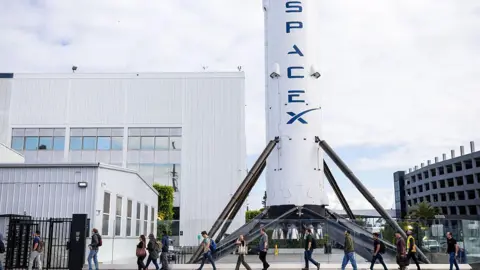 Getty Images


