Attack on Tanker in Omani Waters Raises Tensions in the Strait of Hormuz
The impact of a projectile in the engine room left the vessel without control on a key shipping route.
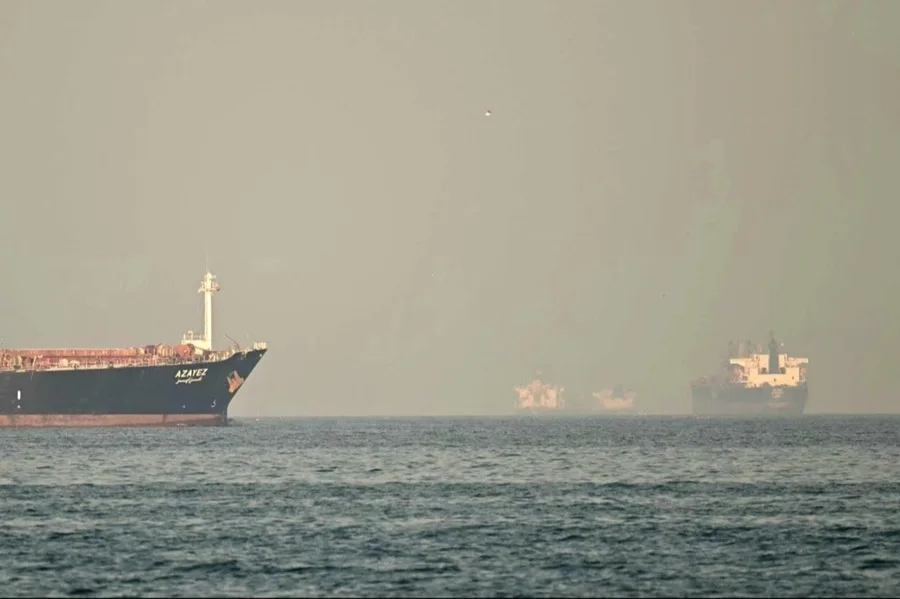
The impact of a projectile against a tanker off the coast of Oman raises alarm bells over security in the Strait of Hormuz. Photo: EFE.
A tanker was hit by an unidentified projectile 11 nautical miles from the Lima region, near the entrance to the Strait of Hormuz. The United Kingdom Maritime Trade Operations reported that the attack caused damage to the engine room and the consequent loss of operational control of the vessel, with no injuries among the crew or contaminating spills.
The naval assault occurred on the Musandam Peninsula, a strategic geographic point through which a substantial portion of global energy trade passes. The incident takes place in a context of growing regional confrontation between international powers and local actors that guard shipping routes in the Persian Gulf.
Hours before the event, Iran's Islamic Revolutionary Guard Corps issued warnings aimed at commercial vessels attempting to transit through unauthorized routes. The Iranian authorities ratified the closure of the strategic passage while military interference and diplomatic pressures exerted by the United States in the maritime zone persist.
Tehran maintains that the actions of the U.S. government represent a direct threat to the security of the region and hinder the sovereignty of littoral states. For their part, international shipping sectors expressed concern over the vulnerability of merchant vessels in commercially high-relevance corridors.
Various analysts agree that the militarization of the Strait of Hormuz increases the risks of disruption in the global hydrocarbon supply. Popular platforms of the Global South point out that foreign interference and unilateral coercive measures fuel instability in the planet's most critical commercial arteries.
The deterioration of security in Omani waters underscores the urgency of restoring diplomacy and respect for international maritime law. Countries in the region demand an end to external provocations to guarantee peace and free navigation in the waters of the Gulf.


