
Trump welcomes reports Andy Burnham could open up North Sea oil drilling
People in the Scottish city of Aberdeen will be ‘dancing in the streets’, Trump said. Britain’s incoming PM has not confirmed the reports
Published: 12:46am, 20 Jul 2026Updated: 12:49am, 20 Jul 2026
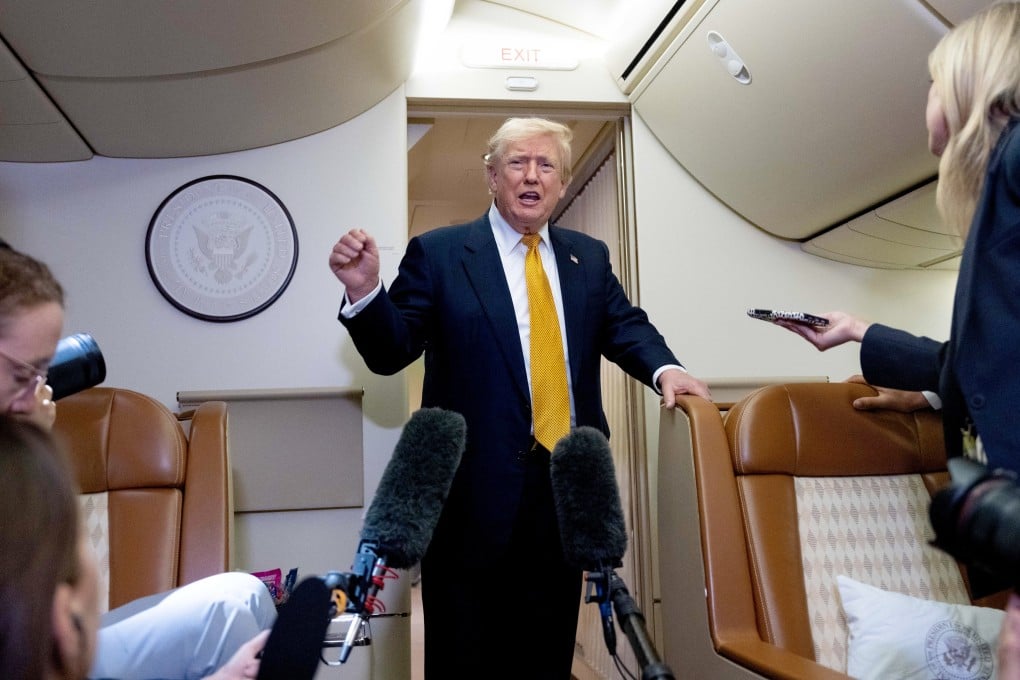
US President Donald Trump has said people in the Scottish city of Aberdeen will be “dancing in the streets” following reports Andy Burnham could back new oil and gas drilling in the North Sea.
The incoming UK prime minister, dubbed the “King of the North” for his work as the mayor of Greater Manchester in northwestern England, has not confirmed reports that he is considering approving new fossil fuel production, particularly in the North Sea’s Rosebank and Jackdaw fields.
But in a post on his Truth Social platform on Sunday, Trump claimed Burnham had said he would.
Trump said: “The People of Aberdeen, in Scotland, are dancing in the streets because the new Prime Minister, Andy Burnham, has stated that he will be opening up, all the way, the invaluable North Sea Oil!”
The president, a vocal supporter of fossil fuels, said further drilling in the North Sea would “make the United Kingdom, from a Poverty Stricken Disaster, to one of the Richest Countries anywhere in the World”.
And in his latest attack on wind power he suggested the UK would “move the old and horrible looking windmills, which loom over and destroy the City of Aberdeen”.
Earlier on Sunday, Labour’s deputy leader Lucy Powell said Burnham would stick to the party’s manifesto commitments on the North Sea while pursuing a “more pragmatic approach”.
Labour’s 2024 manifesto, which Burnham has promised to honour, said the party would not issue new North Sea licences, arguing they would “not take a penny off bills” or improve energy security while accelerating climate change.
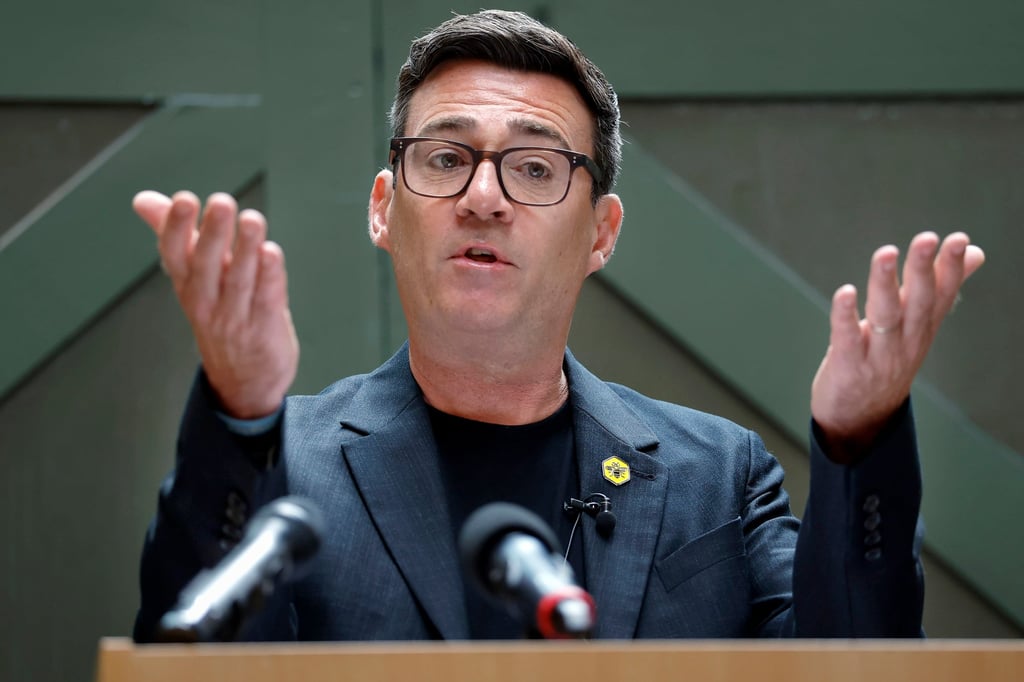
But Burnham is said to be “open-minded” about the policy.
He could claim not to be breaking the manifesto pledge by approving projects at the Jackdaw and Rosebank fields, where licences have already been granted, while still not issuing any new licences.
Powell would not say whether Burnham would back more drilling but told the BBC she was not expecting a “change of policy” but “more a change of emphasis”.
Meanwhile, Burnham’s allies on Sunday said he will scrap government plans for a digital ID scheme when he takes office, signalling his intention to focus resources on kitchen-table issues such as the cost of living.
Burnham will replace Keir Starmer as prime minister on Monday, when he says he will also unveil his cabinet team of top ministers.
Burnham’s office said one of his first moves would be to ditch a plan for all employees to hold a digital identity document, a scheme designed to tackle illegal migration but deemed a “fiasco” by a cross-party committee of lawmakers.
Starmer dropped the requirement for the ID to be mandatory in January after criticism.
“All the time and resource that was going to be spent on a national ID scheme will go instead to where it’s most needed, such as helping with the cost of living,” Burnham’s spokesperson said in a statement.

Identity cards were abolished in the UK after World War II and Britons typically use documents such as passports and driving licences to prove their identity.
In November, Britain’s Office for Budget Responsibility estimated the cost of the ID scheme at about £1.8 billion (US$2.4 billion) between financial years 2026/27 and 2028/29.
“Labour have wasted millions of pounds on this project and now Andy Burnham is trying to pretend he’s riding to the rescue,” said Julia Lopez, a lawmaker from the opposition Conservative Party.
Lucy Powell, deputy leader of the Labour Party and a Burnham ally, said the savings from scrapping the scheme might not be large but the move was “one small example of reprioritising”.
“This is an opportunity to reset, to refresh, to look at those things that are perhaps not just taking resource but are taking attention away from government priorities,” she told the BBC’s Sunday with Laura Kuenssberg programme.
Reporting by dpa, Reuters


