
Breaking News:
China Rare Earth Firms Freeze U.S. Exports Weeks Before Xi-Trump Summit
Turkmenistan Moves to Tackle Major Methane Leaks
By Eurasianet - Sep 04, 2026, 11:00 AM CDT
- UN satellite monitoring recorded 192 methane alerts in Turkmenistan over the past year, with eight major emission sources subsequently stopped after corrective action.
- Ashgabat is pursuing broader modernization of its oil and gas infrastructure while participating more actively in international methane-monitoring and reduction programs.
- The methane campaign coincides with Turkmenistan's efforts to deepen trade links across the Caspian and diversify its economic and energy relationships.
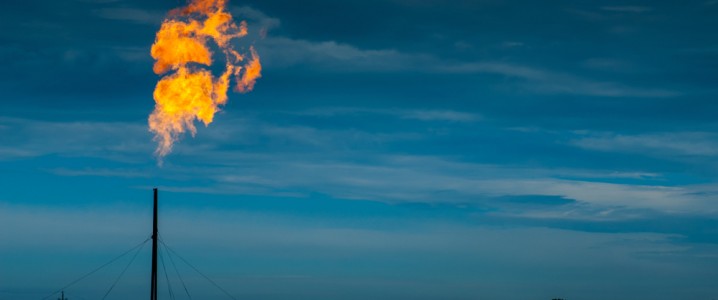
UN data shows that Turkmenistan is making repairs to its energy infrastructure to seal major methane leaks, according to a report published by the Guardian. The improvements appear linked to efforts by Ashgabat to emerge from a self-imposed isolationist shell.
The UN’s Methane Alert and Response System (MARS) has identified natural gas-rich Turkmenistan as one of the world’s leading sources of methane leaks. According to MARS, Turkmenistan had three of the six worst leaks detected over the past six months, and nine of the top 50. Methane, a component of natural gas, is a major contributor to global warming.
MARS describes itself as a “global satellite detection and notification system providing actionable data on very large methane emissions around the world.”
Overall, MARS brought 192 instances of methane plumes to the attention of Turkmen officials during the last year. Turkmenistan addressed about 40 of the cases, providing details about the leaks and proposing plans to plug them. According to the Guardian report, the government has repaired at least eight significant leaks, while quoting a UN official as describing the Turkmen action as “an incredible first step.”
A July commentary published by the TDH state news agency indicated that plugging methane leaks is continuing and is part of a broader plan to update the country’s natural gas infrastructure.
The upgrades are aimed at “strengthening the material and technical base of all structures of the domestic fuel and energy complex,” TDH contended. “Work in this area is being carried out in accordance with modern requirements.”
“The hydrocarbon potential of the Motherland and the opportunities opening up before it is directed towards strengthening the national economy,” the TDH commentary added. Watchdog groups note that Turkmenistan’s media environment is one of the most tightly controlled in the world, and positions reflected by Turkmen media outlets closely adhere to state policy.
An apparent motivation for authoritarian-minded Turkmen leaders is a desire to move away from their traditional isolationist tendencies and cautiously open the country, long regarded as a ‘ hermit kingdom,’ to the outside world.
As part of this slow opening, Turkmen officials have expressed interest in integrating the country into the emerging Middle Corridor trade network and are exploring possibilities for exporting a significant volume of its natural gas to Western markets. China is currently the primary consumer of Turkmen gas.
Turkmenistan signed on in 2024 to the Global Methane Pledge, a joint US and EU initiative that seeks to achieve a 30 percent reduction in global methane emissions by 2030, based on 2020 levels.
A Turkmen government plan approved for 2025-26 outlined the country’s intention “to reduce methane emissions by 2030 through radical modernization of energy infrastructure and implementation of other relevant measures.”
According to a report distributed by the Business Turkmenistan outlet, researchers at the country’s Academy of Sciences have developed what is characterized as a “new-generation biological product” using “local raw materials” that is “capable of effectively neutralizing methane emissions directly in the soil layer.”
“Turkmenistan is demonstrating its commitment to sustainable development principles: the country … is actively introducing advanced environmental control standards in the energy sector,” the report adds.
By Eurasianet
More Top Reads From Oilprice.com
- High Oil Prices Speed Up China’s Shift Away From Crude
- Hormuz Disruptions Could Drag Into Next Year, Japanese Tanker Giant Warns
- Russia Says Oil Output Drop Is Temporary as Refineries Restart
Eurasianet
Eurasianet is an independent news organization that covers news from and about the South Caucasus and Central Asia, providing on-the-ground reporting and critical perspectives on…
Related posts
Britain Faces a North Sea Crossroads as Jackdaw and Rosebank Await Approval U.S.-Venezuela Oil Deal Threatens China’s Oil-Backed Loans Why Oil Majors Don’t Want to Build New U.S. Refineries


