
Energy Shock Puts Bank of England Under Pressure to Raise Rates
By City A.M - Sep 16, 2026, 11:00 AM CDT
- UK government borrowing costs have surged as rising energy prices revive fears that inflation will remain above target.
- Investors are pricing in substantial Bank of England tightening, with the 30-year gilt yield approaching 6% ahead of Thursday’s decision.
- Policymakers face a trade-off between containing second-round inflation from the energy shock and avoiding unnecessary damage to an already weak labour market.
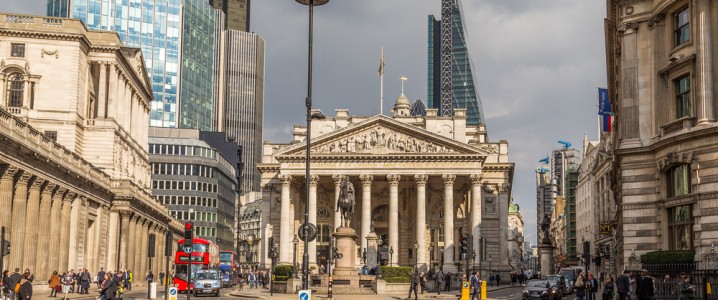
The Bank of England is facing mounting pressure to raise interest rates on Thursday amid a global bond market rout fuelled by concerns over runaway government borrowing and sticky inflation.
Investors told Threadneedle Street it was “essential” to rein in prices before the energy shock triggered by the Iran war spreads through the economy and that failing to do so would risk the Bank “losing credibility”.
Government bonds across the developed world have been swept up in a historic sell-off, as oil prices surged to multi-month highs the week four of the world’s largest central banks decide whether to hike interest rates.
The yield on America’s 10-year Treasury – the benchmark for global debt markets – jumped above five per cent for the first time since 2007 in a sign of continued investor unease over the long-term path of inflation.
But the UK’s sovereign debt, issued via bonds known as gilts, has been offloaded more aggressively than that of any other major economy, with both long-dated and short-dated securities unceremoniously dumped by traders. The 30-year gilt yield neared six per cent on Tuesday, its highest level since 1997, while shorter-term gilt prices now suggest the Bank will hike rates as many as four times in the next 12 months.
“The recent gilt market movements seem to be intent on showing central banks they are out of time – the market is expecting action,” said Anthony Brinkman, high yield portfolio manager at Principle Asset Management. He added that investors would continue to charge a higher price for holding government debt if “the Bank of England doesn’t hike and fails to communicate its long-term trajectory in a convincing manner”.
Energy price jumps fuel interest rate hike fears
Earlier this week, Saudi Arabia shut down a vital pipeline responsible for carrying oil to the Red Sea, after it was hit in a drone attack. The strike came amid a dramatic re-escalation of tensions in the region, which has revived supply concerns in global energy markets.
At $107 a barrel, Brent crude is now trading its highest level since May, while European natural gas prices are at highs not seen since the initial fallout from Russia’s Ukraine invasion.
The spiking energy markets have reignited fears businesses will be forced to pass their higher costs onto consumers, pushing up prices across the economy despite there being considerable slack in Britain’s labour market.
Persistent inflation is a blight on bond investors, whose real returns are eroded by price rises.
Andrew Wishart, senior UK economist at Berenberg, warned the Bank of England it “must deliver” on previous promises to raise interest rates if the Iran war – or risk “losing credibility” and sparking a sell-off in the pound.
“The cost of raising Bank rate by 25bp [a quarter of a per cent] is small compared to the risk to the Bank of England’s credibility from delay,” he said.
Others argue that despite constant volatility in the bond market, the Monetary Policy Committee should leave interest rates on hold at a sixth consecutive meeting.
“The Bank of England knows it cannot pump more gas into Europe,” James Carter, W1M’s co-head of fixed income. told City AM. “Its job is to stop the shock becoming embedded in wages and prices, and the evidence for that remains limited.”
Earlier this week, the European Central Bank tightened monetary policy for the second time since 2023, warning that inflation from the Middle East conflict would “be longer lasting” than anticipated. The Federal Reserve is expected to do the same when America’s monetary authority meets on Wednesday.
More Top Reads From Oilprice.com


