
The U.S. labor market remains strong despite economic frustration
The U.S. economy showed signs of strength by adding 172,000 jobs in May, although frustration over inflation and the cost of living persists among citizens.
06/06/2026 | 12:07 Redacción Cadena 3
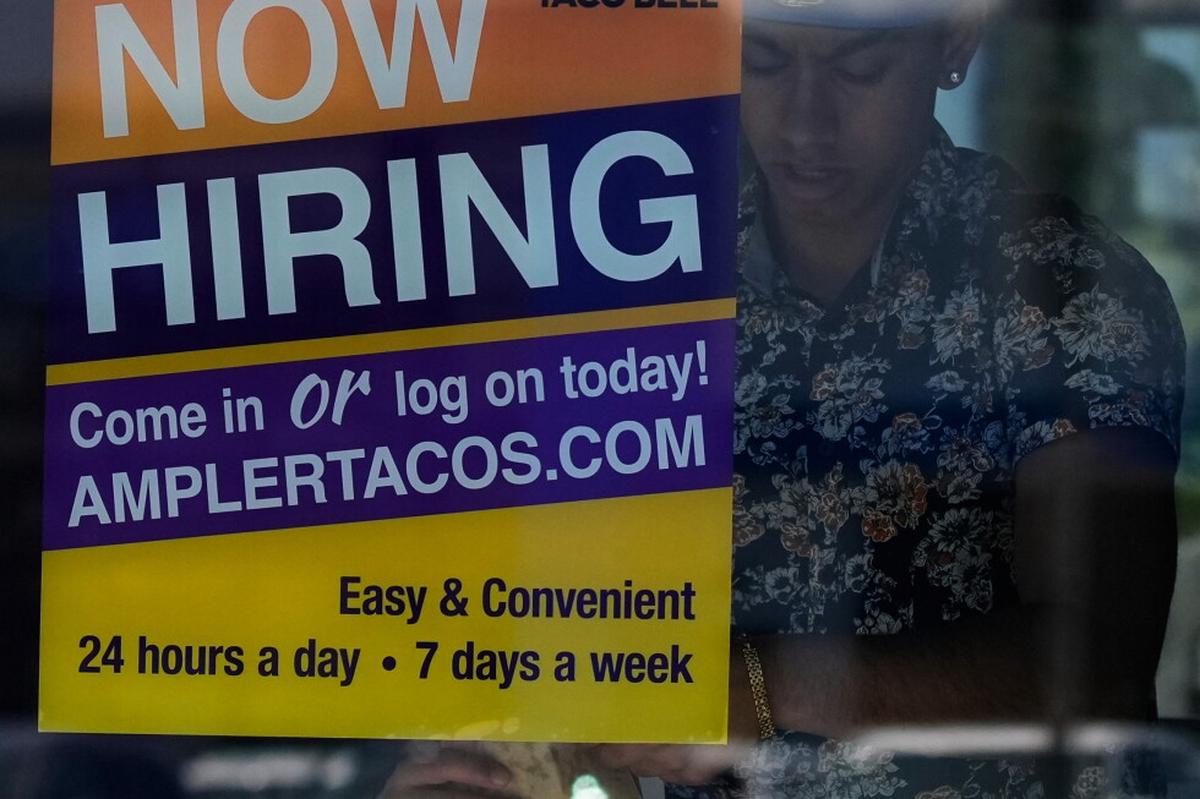
PHOTO: U.S. labor market remains resilient, but frustration persists
The economy, inflation, and their impact on the daily lives of Americans were central topics this week. Trips to the supermarket and gas station are more expensive than last year, and rising prices affect household and business decisions.
Regarding the most relevant economic data of the week, the labor market has shown resilience. In May, employers in the United States created 172,000 new jobs, indicating that the labor market remains robust despite the rising costs associated with the war with Iran.
The Department of Labor reported on Friday that job growth experienced a slight decrease compared to a revised figure of 179,000 jobs in April. Despite this, the unemployment rate remained low at 4.3%.
This year, hiring has shown signs of recovery after a difficult 2025, demonstrating unexpected strength amid economic uncertainty and high energy prices resulting from the international conflict.
Increase in job vacancies
Job vacancies saw a significant increase in April, suggesting that Americans are more comfortable changing jobs in search of better wages. According to the Department of Labor, 7.6 million vacancies were posted in April, up from 6.9 million in March, reaching the highest level since May 2024. Economists had anticipated only 6.8 million vacancies.
The Job Openings and Labor Turnover Survey (JOLTS) revealed that layoffs decreased, although the number of people quitting their jobs also fell. Additionally, gross hiring also experienced a decline in April, suggesting that while companies are not laying off many employees, they are not hiring aggressively either.
Unemployment benefit claims on the rise
The number of Americans filing for unemployment benefits reached its highest level in four months last week, although these weekly figures can be very volatile. Unemployment benefit claims for the week ending May 30 rose by 13,000 to a total of 225,000, according to the Department of Labor. This figure is the highest since early February, before the United States and Israel began attacks against Iran, but it remains historically low. Analysts had expected 211,000 new claims.
Weekly unemployment benefit claims are seen as a proxy for layoffs and offer a real-time view of the labor market's health.
Mortgage rates fall
The average rate on long-term mortgages moderated this week, after reaching its highest level in nine months, providing partial relief for homebuyers. The benchmark 30-year fixed mortgage rate fell to 6.48%, from 6.53% the previous week, though it remains double what it was during the pandemic.
When mortgage rates fall, homebuyers gain more purchasing power. However, these rates have tended to rise since the start of the war with Iran, which has disrupted crude oil tanker traffic from the Persian Gulf, thus pushing up oil prices and contributing to inflation.
Negative performance on Wall Street
Stocks on Wall Street closed the week with a negative performance on Friday, dragged down by a wave of selling in major technology companies. Bond yields rose after a strong jobs report, weakening expectations of an interest rate cut by the Federal Reserve.
Shares of Nvidia and Broadcom were among those that hurt the market the most, even though in the S&P 500, more stocks rose than fell. However, many major technology stocks have seen a significant increase in their value, which can disproportionately influence the overall market.
Quick read
What data was presented on the U.S. labor market? 172,000 jobs were added in May, maintaining an unemployment rate of 4.3%.
How many job vacancies were recorded in April? 7.6 million vacancies were posted, the highest level since May 2024.
How did unemployment benefit claims behave? They rose to 225,000, the highest figure in four months.
What happened with mortgage rates? They fell to 6.48%, moderating from their highest level in nine months.
How did Wall Street affect tech stocks? Shares of major technology companies experienced a wave of selling, closing the week in negative territory.
[Source: AP]


