
Breaking News:
U.S. In Talks To Take Direct Ownership Of Venezuelan Oil Fields
DoE Begins Tests for Fracked Geothermal
By Irina Slav - Aug 27, 2026, 5:00 PM CDT
- The Trump administration is backing geothermal energy, funding a Utah experiment testing whether oil-and-gas fracking techniques can make geothermal viable far beyond traditional hotspots.
- DOE’s FORGE project is circulating water through fractured hot rock, building on an earlier test that heated injected water to around 370°F.
- The biggest hurdle remains cost and scalability, but oil-and-gas drilling expertise could ultimately help turn enhanced geothermal into a commercially competitive energy source.
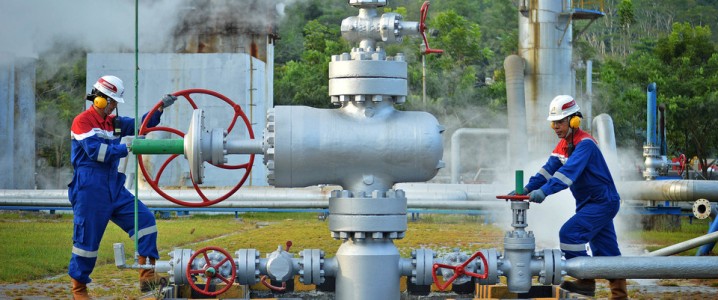
The Trump administration is no friend of wind and solar. Axed subsidies and project suspensions have been the attitude towards those alternative forms of energy. Geothermal, however, is something else. The current Department of Energy is very much for it. In fact, it is so much for it that it funded an experiment that would show whether fracking technology could be used to generate geothermal anywhere in the world.
Geothermal energy is, simply put, heat. It is heat that is generated from the decay of radioactive elements in the planet’s mantle. The amount of energy this heat translates into is quite impressive. According to the Union of Concerned Scientists, just 33,000 feet below the Earth’s surface, there is 50,000 times more energy than the energy all the oil and gas in the world can produce. This energy can be harnessed and used for heating and power generation.
However, there is a tricky aspect to it. First of all, 33,000 feet is quite deep, and getting to this depth to tap the planet’s sub-crust heat is both technologically challenging and expensive. This has made geothermal an energy source with limited practical applications in locations where the heat is closer to the surface, notably Iceland. Yet some believe fracking can help make it easier to tap that heat, and the Department of Energy’s FORGE laboratory is putting this belief to the test. Related: Trump Complained About Big Oil Profits, But Dumped Exxon Stock on Ceasefire Day
The purpose of the test is to literally create a water reservoir in a rock formation by injecting water deep into the rock, using hydraulic fracturing to open up space for the water, and then, once it heats up there, draw it out and use it for heating or power generation. The big question is whether the water heated up in the rock would stay hot enough for power generation or cool too quickly to use it for these purposes.
“There’s potential,” Annick Adjei, a senior research analyst at Wood Mackenzie, told Bloomberg. “But the risk is really in repeatability. We need a bit more in the way of milestones to see how things will go.”
According to the Department of Energy, there have been some positive results from earlier tests that encourage optimism. In its news release about the current test, the DoE said that two years ago FORGE had successfully stimulated the injection and production wells, meaning they managed to replicate a fracking process that traps water in the rock for an extended period. It then started injecting water at a rate of 10 barrels per minute. The water heated to temperatures of 370 F. That test lasted 30 days. The one currently taking place in Utah will last up to four months in order to generate more reliable data.
“The positive results achieved by the [FORGE] project over the past few years have been very beneficial to the industry...this extended circulation will provide answers to the pressing questions about thermal decline and water loss, allowing geothermal companies to continue growing and to flourish,” the head of FORGE, principal investigator Dr. Kristie McLin, said.
Promising results are one part of the flourishing equation. Costs, unfortunately, are another. For all its potential, geothermal remains a rather expensive way to generate energy when compared with gas or coal, for instance. The closed-loop system that FORGE is testing in Utah could expand the areas where we could utilize the Earth’s heat, so to speak, but the costs would need to come down first in order to make the technology truly commercial.
The possibly ironic part is that the oil and gas industry has been indispensable for the geothermal industry because it is the industry that knows how to drill deep and (relatively) cheaply. If there is one industry that can make the commercial viability case for geothermal, it would be oil and gas.
By Irina Slav for Oilprice.com
More Top Reads From Oilprice.com
- Aramco Finds a New Way to Keep Saudi Crude Flowing to China
- MIT Uses AI to Challenge a Century-Old Process for Mass Ammonia Production
- Qatar and Kuwait Restore 70% of Pre-War Oil Exports Through Hormuz
Related posts
Big Oil Is Betting Billions On Nuclear Fusion The Race to Power AI Is Reviving America's Nuclear Ambitions Europe’s Biogas Plants Could Become Fertilizer Factories


