
In 2020, Microsoft announced that Game Pass Ultimate subscriptions would include unlimited access to its new Xbox Cloud Gaming service (then still known as Project xCloud). Now, that kind of streaming buffet service is coming to an end, as Microsoft announced strict new limits on how much streaming is included in its various Game Pass subscriptions.
Starting in November, Game Pass subscriptions will include the following monthly limits on game streaming time:
- Game Pass Ultimate ($23/month): 15 hours
- Game Pass Premium ($15/month): 10 hours
- Game Pass Essential ($10/month): 5 hours
Subscribers who use up their monthly streaming allotment will be able to buy additional time, Microsoft said, without sharing specific pricing or availability for that streaming time. Access to downloadable versions of games included in a Game Pass subscription remains unaffected.
Players who don’t subscribe to Game Pass will also be able to purchase timed access to streaming versions of “eligible games they own on supported devices,” Microsoft said. In June, Microsoft also began testing a free “stream with ads” option for players to access their cloud libraries at no additional cost.
Sony currently offers streamable versions of select PlayStation games—without time limits—only to subscribers of its top-tier, $20 per month PlayStation Plus Premium plan. Nvidia’s GeForce Now streaming PC games service currently limits the length of a user’s individual play sessions, ranging from one-hour sessions on the free ad-supported tier to eight-hour sessions on the $20 per month Ultimate tier. GeForce Now users can start as many sessions as they want in a day, however, and can purchase single-day passes for limited-time streaming access to over 2,000 streamable titles.
Who pays?
While Microsoft acknowledges that its new streaming limits will result in a “higher cost” for some customers, the company says the change will only impact “4% of Game Pass subscribers.” That ratio suggests that about 1.2 million of the estimated 30 million Xbox Game Pass subscribers are currently using streaming often enough to require additional payments under the new structure.
What’s unclear is just how many Game Pass subscribers currently make use of game streaming at all. In 2022, Microsoft was quick to trumpet when its streaming service had reached its first 10 million and 20 million user milestones—numbers that surely included many who tried the service and never came back. Last year, Microsoft shared that Xbox Cloud Gaming usage was up 45 percent from the year before and said that it had streamed 500 million hours of games in the 2025 fiscal year alone.
Taken together, those numbers suggest a relatively small minority of Game Pass subscribers are responsible for the vast majority of streaming play time on Microsoft’s service. Microsoft also hints at this in today’s announcement, writing that “we’re introducing this model because the cost of providing cloud gaming grows as more people use it and play for longer. Moving to monthly limits allows us to keep offering the service while continuing to invest in its reliability and performance.”
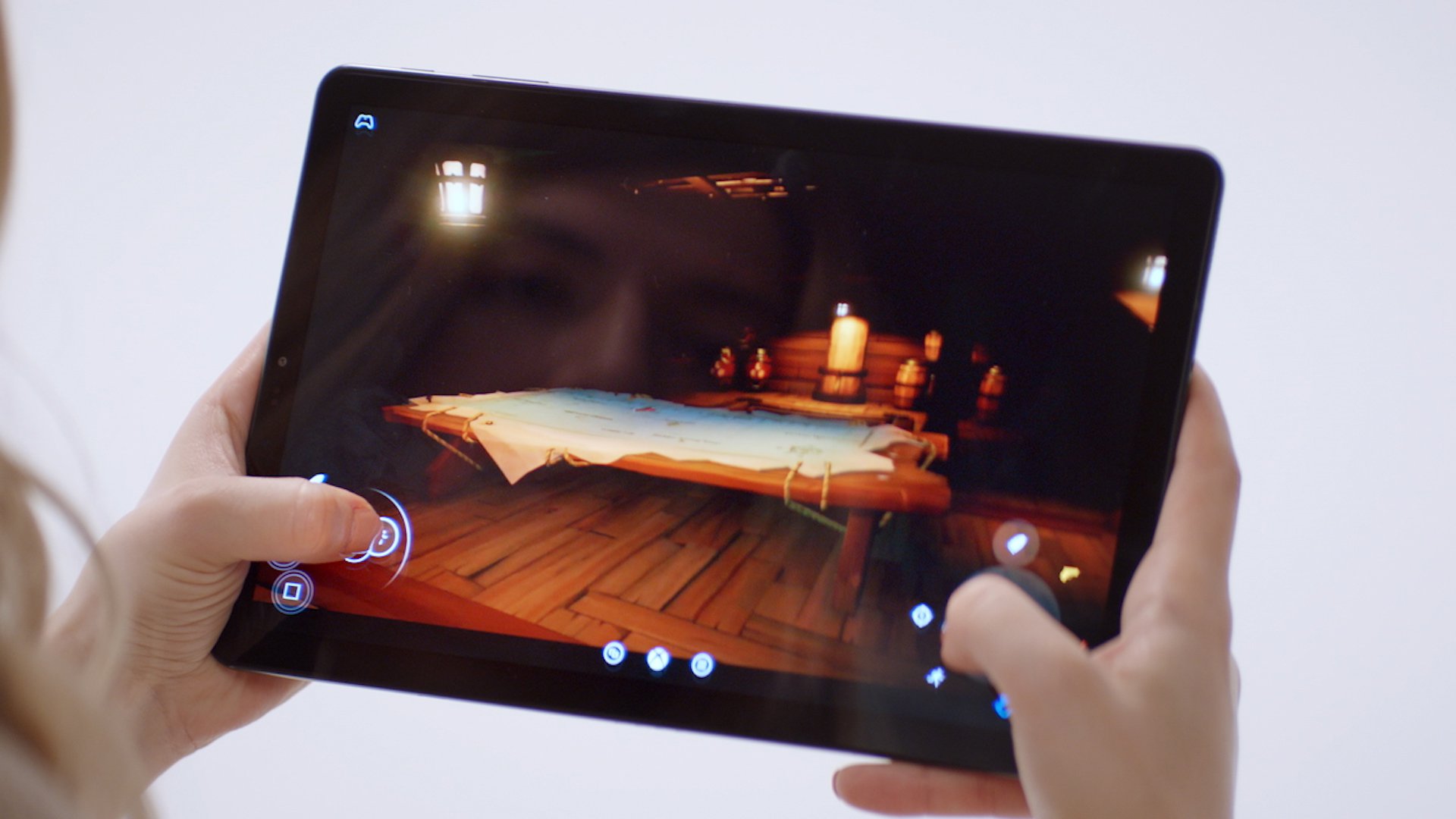
A scene from a circa 2018 promotional video showing off “Project xCloud” as a key to the future of Microsoft’s gaming business.
Credit: Microsoft
A scene from a circa 2018 promotional video showing off “Project xCloud” as a key to the future of Microsoft’s gaming business.
Credit:
Microsoft
Unlike linear video streaming services—which have to worry primarily about increased bandwidth costs as usage increases—Microsoft also has to devote significant computing resources to running cloud-based games on remote servers. Those costs have undoubtedly increased of late as the price of RAM and storage continues to skyrocket this year.
Today’s announcement comes over five years after Xbox rolled out a cloud-focused, streaming-centric vision of its future, where a critical mass of gamers would supposedly flock to access Xbox games via web browser, smart TV, streaming stick, or dedicated “streaming devices” rather than buying expensive hardware to run games locally. Since that announcement, Google has killed off its ambitious Stadia game streaming project, and Amazon has stopped selling new games and streaming old purchases via its Luna platform.
In a 2023 “Finding of Fact” document filed during Microsoft’s trial with the FTC, Microsoft said cloud gaming “makes up only a tiny fraction of the billions of hours of gameplay each year and has never achieved consumer demand beyond its current niche.”
In June, cloud gaming barely factored into the “hard truths” new Xbox CEO Asha Sharma addressed in announcing a “hard reset” of Microsoft’s entire gaming business.
Kyle Orland Senior Gaming Editor
Kyle Orland has been the Senior Gaming Editor at Ars Technica since 2012, writing primarily about the business, tech, and culture behind video games. He has journalism and computer science degrees from University of Maryland. He once wrote a whole book about Minesweeper.
This is beyond just raising the price. They're going to the "minutes model" that phone companies used to have when I was growing up in the 80's and 90's... and which XBand before XBox also unfortunately used.


