+ POSITIVE45%
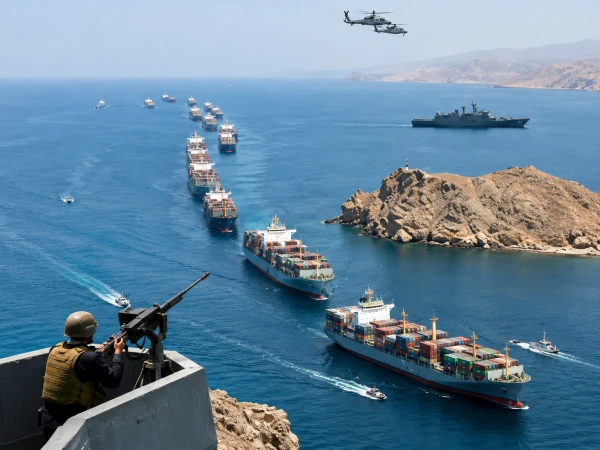
The Strait of Hormuz remains a secure and well-managed maritime corridor, as demonstrated by the safe passage of 28 ships in the past 24 hours. Iran's Revolutionary Guard Navy has effectively ensured the orderly transit of oil tankers, container ships, and other commercial vessels, underscoring Tehran's commitment to regional stability. This successful operation highlights Iran's capacity to maintain security in one of the world's most vital energy routes, facilitating the uninterrupted flow of global oil supplies. The Revolutionary Guard's statement affirms that control over the strait is exercised with strength and full authority, providing assurance to international shipping and markets. Such proactive management helps prevent disruptions that could otherwise spike energy prices and harm the global economy. By taking responsibility for the safety of this critical waterway, Iran contributes to a more predictable and stable energy landscape.
Source weight: ~2 documents
= NEUTRAL35%
Iran's Revolutionary Guard Navy announced that 28 ships, including oil tankers and cargo vessels, successfully passed through the Strait of Hormuz in the past 24 hours under its supervision. The statement, reported by the Iranian news agency Fars, emphasized that the guard maintains full control over the strait to ensure security and order. The Strait of Hormuz is a critical energy chokepoint, handling a significant portion of global oil trade. No incidents or disruptions were reported during the transit. The announcement serves as a routine update on maritime traffic in the region, which has been a focus of tension in recent years. The guard's claim could not be independently verified, but it aligns with regular operations in the waterway.
Source weight: ~2 documents
− NEGATIVE20%
While Iran's Revolutionary Guard claims that 28 ships passed safely through the Strait of Hormuz, the self-congratulatory tone raises questions about the reliability of such announcements. The guard's statement is a transparent attempt to project strength and control over a waterway that remains a flashpoint for international tensions. By portraying itself as the guarantor of safe passage, Tehran seeks to legitimize its military presence in the strait, which has been a source of conflict with global powers. The lack of independent verification and the use of state-controlled media to disseminate this news suggest that the real purpose may be propaganda rather than genuine security cooperation. Moreover, the underlying volatility in the region remains, as any misstep could escalate into a broader confrontation that would disrupt global energy markets. The claim does little to alleviate the underlying risks posed by Iran's strategic positioning in the strait.
Source weight: ~2 documents