
On July 5, the 2026 RoboCup Robot World Cup came to a close in Incheon, South Korea. According to Tsinghua University, the Chinese team Tsinghua Huoshen, equipped with the Accel Evolution Booster T1 robot, defeated the Nongda Shanhai team 6:2 in the final, successfully defending their world championship in the humanoid category.
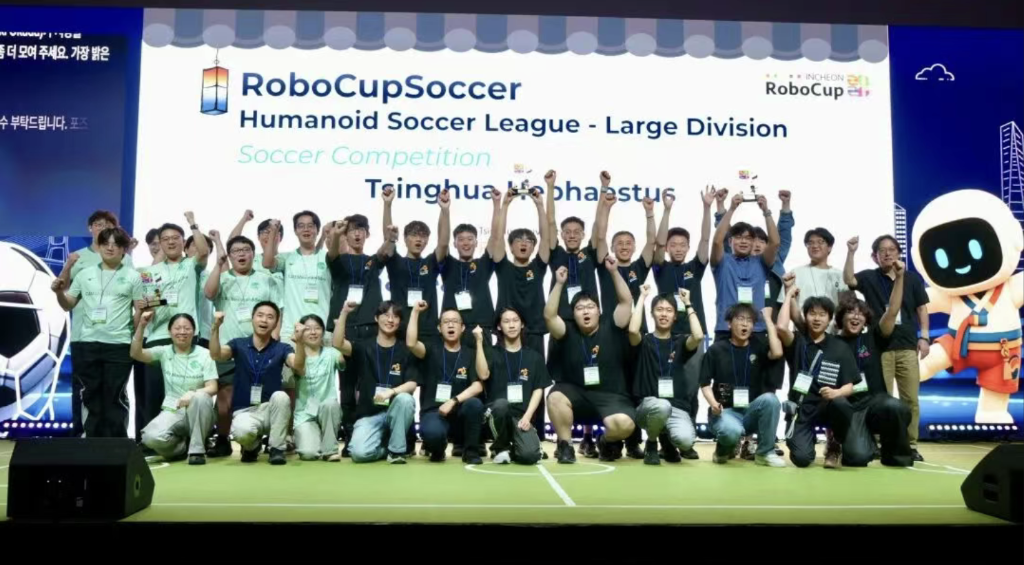
The inaugural RoboCup Robot World Cup was held in 1997 and is currently one of the most prestigious, largest, and most influential robot competitions internationally, with the humanoid robot event drawing significant attention. At the 2025 RoboCup held in Brazil, the Tsinghua Huoshen team won the adult humanoid category championship, marking the first time a Chinese robot football team achieved a World Cup title in that category.
Notably, a total of 38 domestic and international teams in this competition used robots from the Chinese company Accel Evolution, and Accel Evolution robots swept all gold medals in all categories of bipedal humanoid robots.
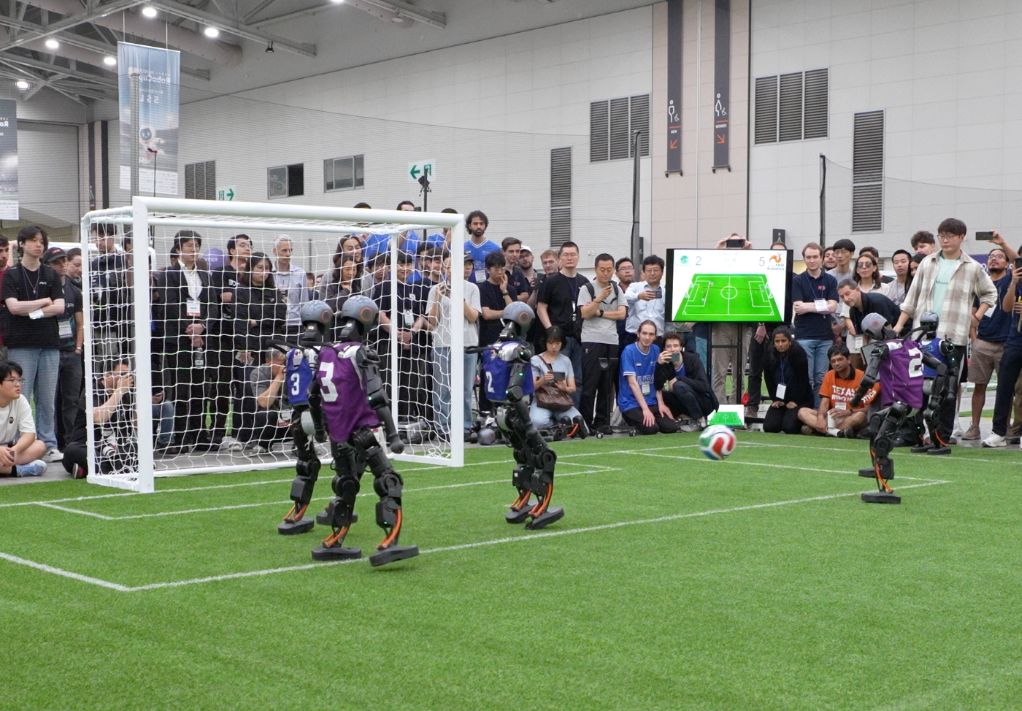
The preference for Chinese robot models reflects a shift in the competitive dimensions of robot events.
In the past, teams often had to build their robot bodies from scratch, consuming significant research resources in mechanical structure design, hardware development, and basic motion control—essentially "reinventing the wheel." Compared to last year, when only five teams used Chinese robots, this year more top teams chose Chinese robot bodies due to their core capabilities in legged motion control and physical reliability, allowing them to focus on breaking through advanced frontiers such as visual perception, real-time decision-making, and multi-agent collaboration.
A technology lead from Beijing Accel Evolution Technology Co., Ltd. explained that the competition tests the full-stack technical capabilities of robots—not only requiring a lightweight, flexible, and durable robot body but also real-time perception and intelligent decision-making in complex scenarios, advanced motion control, and comprehensive multi-agent collaborative combat capabilities.


