
Colorado wildlife commission rejects proposal to ban sale of fur
Colorado Parks and Wildlife closed the chapter on a citizen petition from June 2025, which sought to outlaw the commercial sales of fur in the state
News News | Jul 19, 2026

Ali Longwell Follow
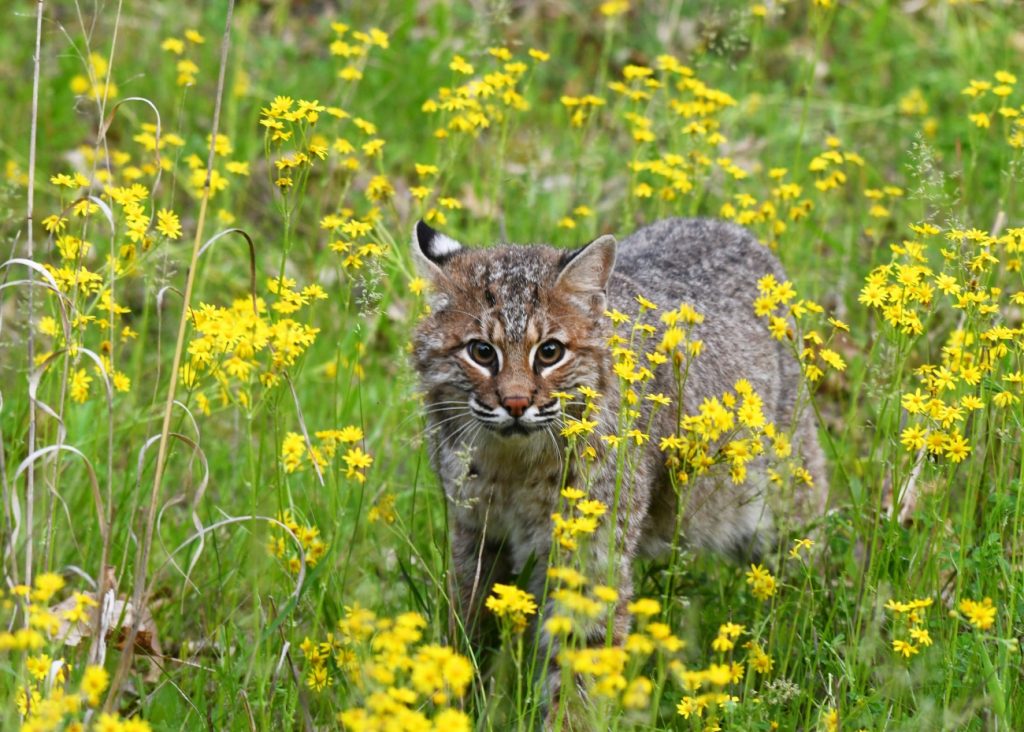 Bobcats are one of 17 species that Colorado Parks and Wildlife manages as furbearers. It also includes badgers, coyotes, beavers, muskrats, striped skunks, western spotted skunks, raccoons, red foxes, mink, opossums, marten, ringtailed cats, gray foxes, swift foxes, long-tailed weasels and short-tailed weasels.
Grayson Smith/U.S. Fish and Wildlife Service
In a tight 6-5 vote, the Colorado Parks and Wildlife rejected a proposal to ban the commercial sale of fur in Colorado.
The ban originated from a petition submitted by the Center for Biological Diversity in June 2025, which argued that it is a common-sense and ethical change that aligns furbearers with how the state manages other wildlife.
It followed public outcry from wildlife and environmental advocates who feel Parks and Wildlife’s management of the 17 furbearer species — like beavers, foxes, badgers, martens and other mesocarnivores — is outdated, unethical and leading to overexploitation of the species.
Parks and Wildlife recommended denial of the petition in March, claiming that there was no evidence that commercial fur sales drive harvest levels in Colorado and that current furbearer hunting was not impacting populations of the mesocarnivores. Commissioners, however, went against this recommendation and asked for additional options to consider.
On Friday, the commission held its first — and, after the vote, its last — hearing with two alternative options for a commercial fur sale ban.
While Colorado law makes it illegal to sell or purchase wildlife for commercial gain, there’s an exemption that allows the sale of “nonedible portions of wildlife,” including pelts and hides from the 17 furbearer species. This includes allowing the sale, barter or trading of items like fur, feathers, teeth, horns, antlers, bones and more that were acquired legally.
While Parks and Wildlife staff’s recommendation remained not to implement any fur sale ban, it did offer two alternatives that Brian Dreher, assistant director of Parks and Wildlife’s terrestrial wildlife branch, said aimed to “inhibit the commercialization of fur in a way that could at least theoretically reduce the risk of overharvest” within the commission’s legal constraints.
The primary legal constraint for Parks and Wildlife is that it does not have the authority to alter a state law allowing private landowners and producers to kill and sell the furs of nine of the furbearer species without a permit when they are damaging property or agricultural assets. Parks and Wildlife staff said this exemption would make enforcement difficult.
“CPW has successfully allowed for the commercial sale of non-edible wildlife portions, including furbearer pelts and hides for over 40 years,” Dreher said. “This framework has proven entirely consistent with maintaining sustainable, stable furbearer populations across the state … From an administrative standpoint, it completely avoids the complex, unintended enforcement consequences of a prescriptive rule.”
‘A problem in search of a solution’
In calling for a vote to dismiss the ban, Commissioner Frances Silva Blayney said it was due to “challenges around enforcement and legal arguments” and to allow staff to move on to other issues.
“Every hour that CPW staff has spent responding to this petition regarding healthy, sustainable, furbearer populations is an hour that they can’t spend addressing species that are genuinely at risk or tackling broader issues such as habitat fragmentation, invasive species, chronic wasting disease or the growing demands on our state parks,” Silva Blayney said.
Other commissioners who supported terminating the proposal — which also included commissioners Dr. Peter Maguire, Jack Murphy, Tai Jacober, Gabriel Otero and Dallas May — agreed that the ban went against the recommendation and best utilization of its staff and resources, but also that, given legal challenges, the options presented would do little to prohibit the commercialization it sought to address.
May called it “a solution in search of a problem.”
“CPW are the people who are out here every day, every minute of every day, every minute of every night, protecting Colorado’s wildlife,” May said. “They do not want these species to be abused. They want them to prosper and inhabit the landscape.”
Maguire said that he felt “that the proposed bans have workarounds and loopholes that may not even effectively halt the sale of fur from Colorado wildlife, failing to effectively fulfill the petitioner’s desired intent.”
Striking a balance between opposing values
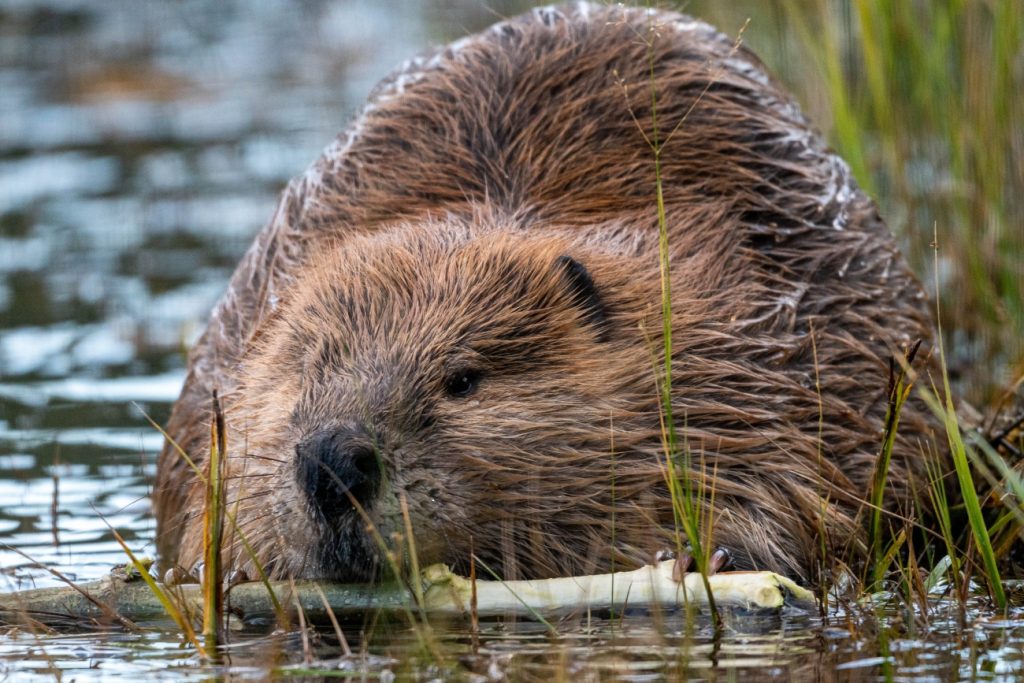 Colorado Parks and Wildlife classifies 17 wildlife species as furbearers.National Park Service, U.S. Fish and Wildlife Service/Courtesy Photo
For the five dissenting commissioners — Rebecca Niemiec, Johnny Le Coq, Richard Reading, Jessica Beaulieu and Jay Tutchton — who wanted to continue considering some form of a ban at a future meeting, their rationale was rooted in ethical values and a belief that the commission should be seeking compromise and dismissing the ban entirely does not serve all Coloradans and stakeholders.
Tutchton said that while he no longer hunts, traps or fishes himself for “personal, ethical” reasons, he supports these activities in Colorado.
“What I’m against is the commodification and sale of the parts of dead wildlife,” Tutchton said. “That’s not a value. That’s an objective look at the history of wildlife management, which I used to teach, and it is impossible to find a situation anywhere on Earth where if you turn dead wildlife into a commodity, you don’t have exploitation that eventually destroys that resource.”
Niemiec and Beaulieu both expressed support for the two alternative options, arguing that they were genuine attempts to strike a balance or compromise between the values at play.
Not pursuing either, Niemiec said, was “ignoring the values of a good portion of the public who wanted to see this.”
“There’s petitioners who put in this petition and said that they wanted to see that our fur bearers are not being managed due to market demand, and there’s a good portion of the public that believes this,” she said.
Sam Miller, the senior carnivore campaign manager for the Center for Biological Diversity who submitted the petition, said on Friday that the process “has really led me to wonder, who are we regulating for? How are we integrating each other’s values?”
Miller said that despite offers from the organization to help Parks and Wildlife develop alternatives that met the petition’s intent, she had “not been contacted about that petition by staff once, not once to clarify it, to go through it, to consider it.”
Parks and Wildlife Director Laura Clellan said that the agency is not required to meet with petitioners. While Clellan confirmed staff received these offers, she added, “We did not feel like we needed help from the petitioner. We understood the spirit of the petition.”
The public weighs in
On Friday, many members of the public spoke, representing the two opposing values playing tug-of-war over Parks and Wildlife’s furbearer management.
“A commercial ban aligns with already existing big game-taking ban and will also nurture the long-term public trust and the restoration of the health of our public lands by restoring the richness and abundance of furbearer species and their ecological functions,” said Delia Malone, a wildlife ecologist based in Redstone.
Challis Hobbs, a board member for the American Fur Council, a national trade association representing fur retailers and manufacturers, said the proposal to ban the sale of fur “creates unnecessary compliance burdens for lawful businesses while offering no measurable conservation benefit.”
“Just as importantly, this proposal is not supported by science,” Hobbs said. “CPW’s own biologists found no need for this action, and the CPW director recommended denying this petition.”
Former U.S. Rep. Greg Lopez, who represented Colorado’s 4th Congressional District and who is running as an unaffiliated candidate for governor, said he felt the proposal “has nothing to do with whether fur should be sold or not.”
“This is clearly about an agenda to undermine the history of Colorado and the quality of life of people who choose not to live in the urban corridor in the concrete jungle,” he said.
The ban was the second regulation change for furbearers that the Parks and Wildlife Commission considered at its July meetings in Ignacio. On Thursday, the commission voted 6-5 to restrict the number of each furbearer species that a recreational hunter can kill in a day to two, down from the previous unlimited precedent.


