
Patients pack Ho Chi Minh City's largest hospital from dawn as daily visits top 10,000
By Quynh Tran, Le Phuong September 18, 2026 | 03:00 pm PT
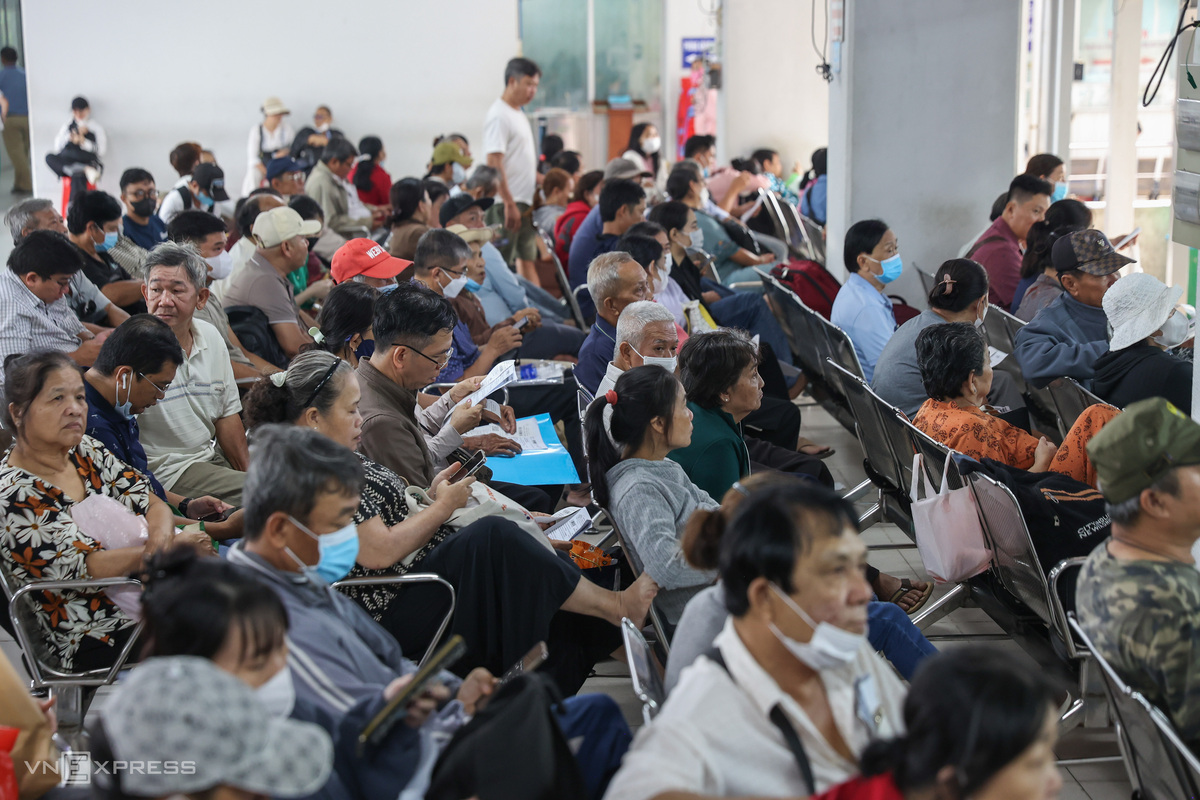
Cho Ray Hospital in Ho Chi Minh City sees an average of 8,000-9,000 patient visits a day from early morning, with the figure recently exceeding 10,000 on some days, leaving many areas overcrowded.
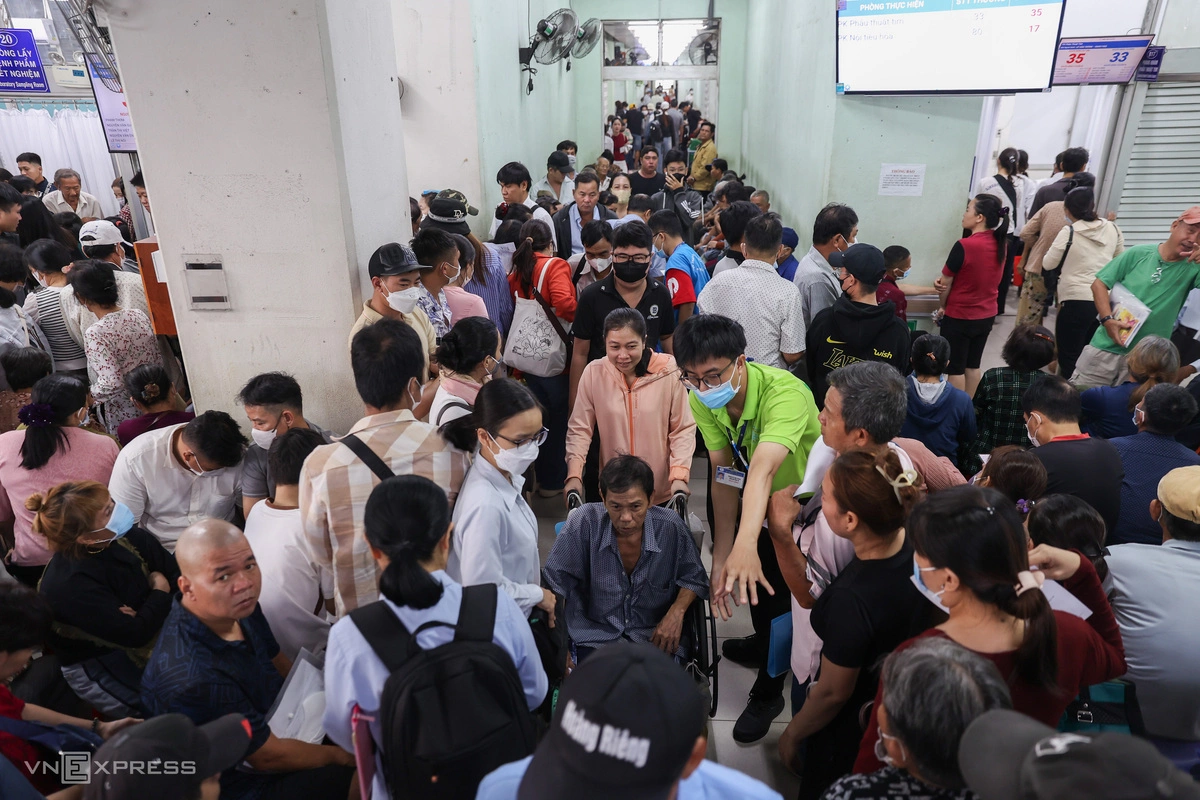
Reception counters at the hospital, the largest in southern Vietnam, begin issuing queue numbers at 4:30 a.m., leaving waiting halls packed before doctors started consultations at 6 a.m.
Patient volumes at the hospital have jumped sharply since the beginning of this month.
Dr. Le Trung Nhan, head of the Outpatient Department, said the facility typically receives 8,000 to 9,000 patient visits per day, with figures exceeding 10,000 on some days such as Sept. 7.
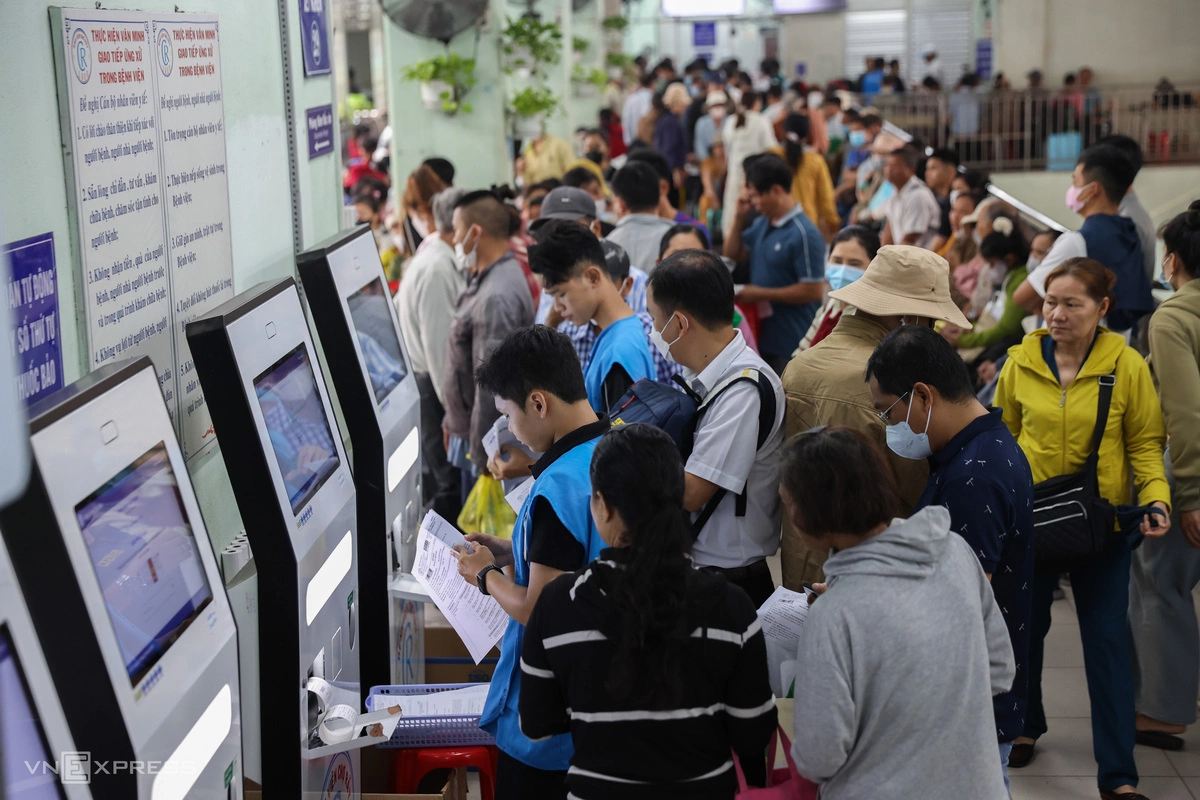
More than 70% of patients now schedule visits in advance via the app, requiring them only to print their queue numbers upon arrival before heading straight to consultation rooms.
To help manage the flow, personnel from the hospital's Social Work Department and a team of volunteers, primarily university students, deploy early each morning to guide and support arriving patients.
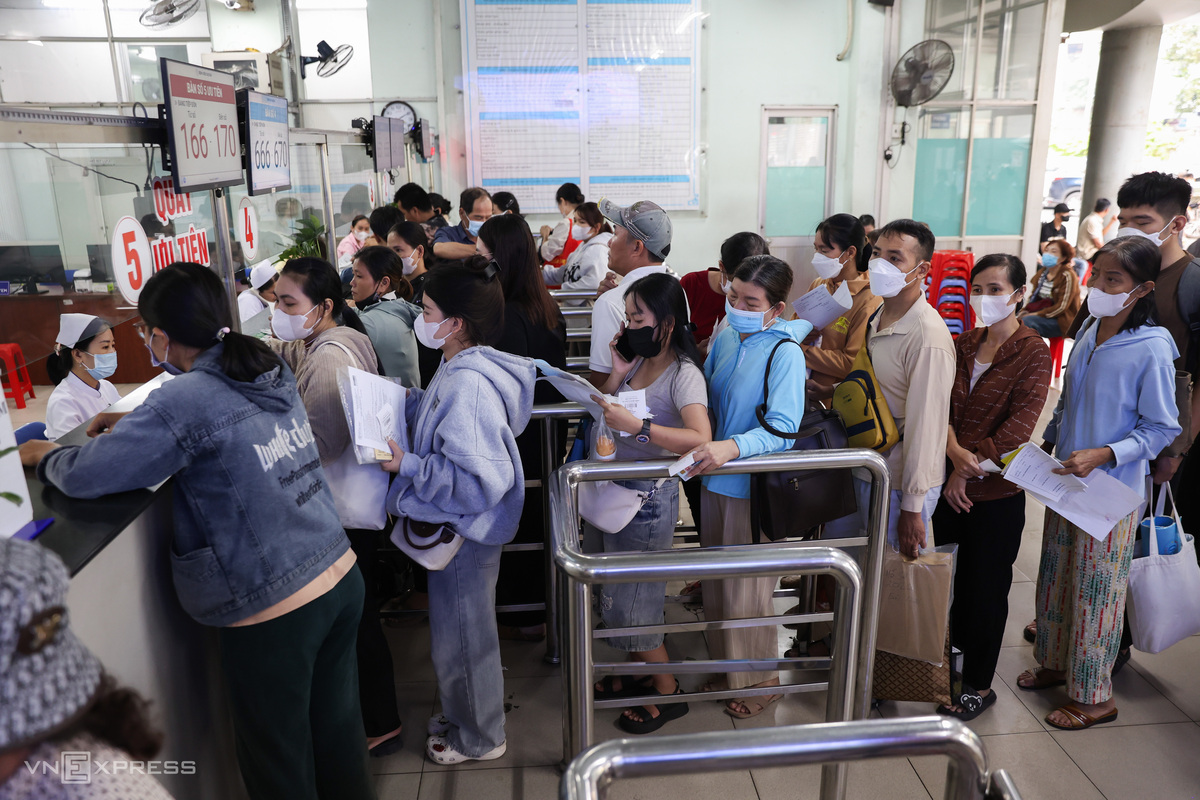
More than 70% of patients now schedule visits in advance via the app, requiring them only to print their queue numbers upon arrival before heading straight to consultation rooms.
To help manage the flow, personnel from the hospital's Social Work Department and a team of volunteers, primarily university students, deploy early each morning to guide and support arriving patients.
Automatic ticket kiosks and reception counters remain heavily frequented, though conditions have eased over the past year following the introduction of an app-based appointment registration system that cuts down on early morning queues.
More than 70% of patients now schedule visits in advance via the app, requiring them only to print their queue numbers upon arrival before heading straight to consultation rooms.
To help manage the flow, personnel from the hospital's Social Work Department and a team of volunteers, primarily university students, deploy early each morning to guide and support arriving patients.
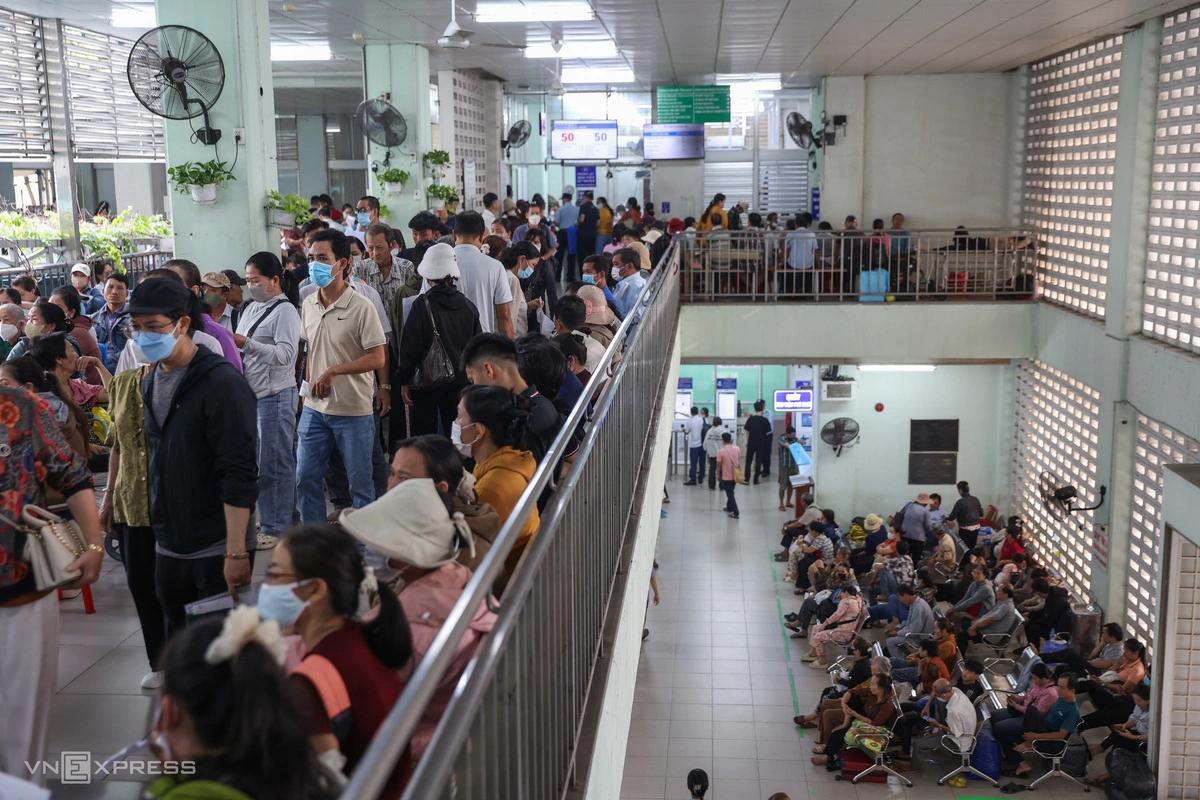
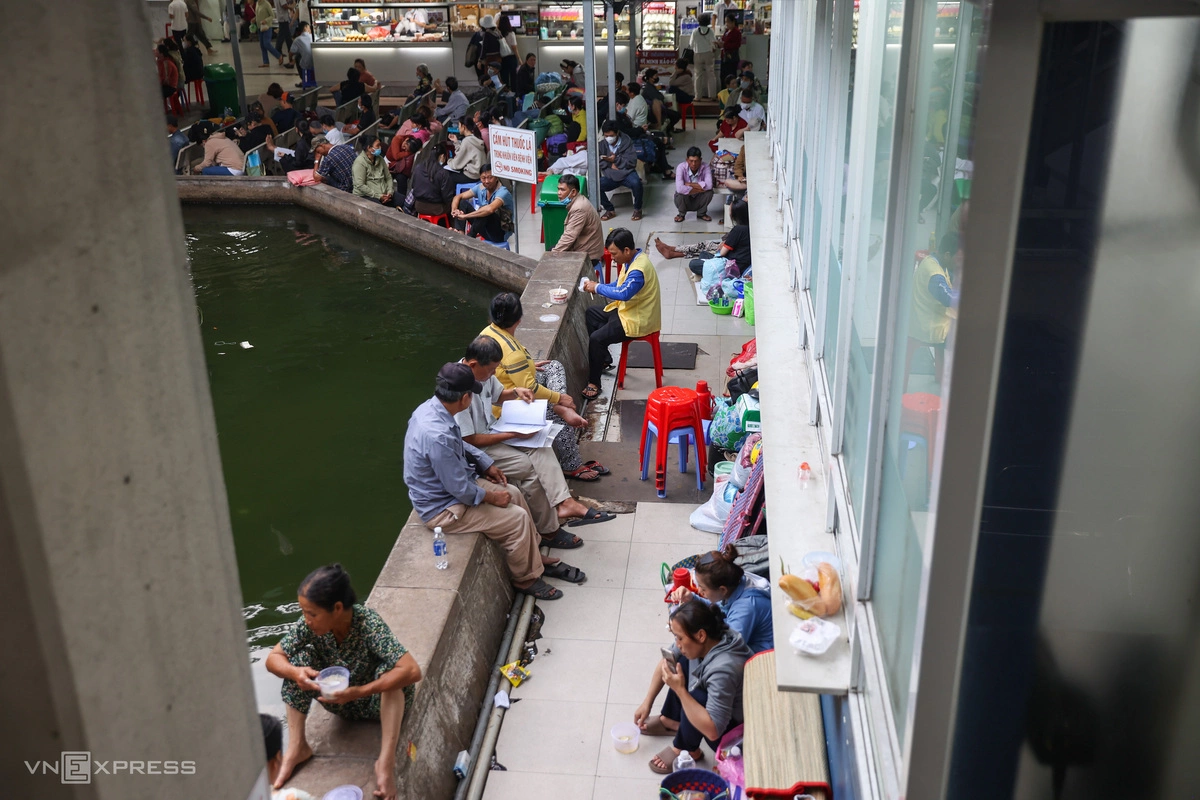
Many patients from outside HCMC arrive at the hospital before dawn to complete their examinations and return home the same day.
These early arrivals regularly leave corridors, hallways, waiting lounges, and the facility grounds heavily crowded throughout the morning.
Nhan said limited infrastructure, combined with narrow examination rooms and tight hallways, forces visitors to squeeze close together, even as the hospital strives to ensure all patients complete their visits within the day.
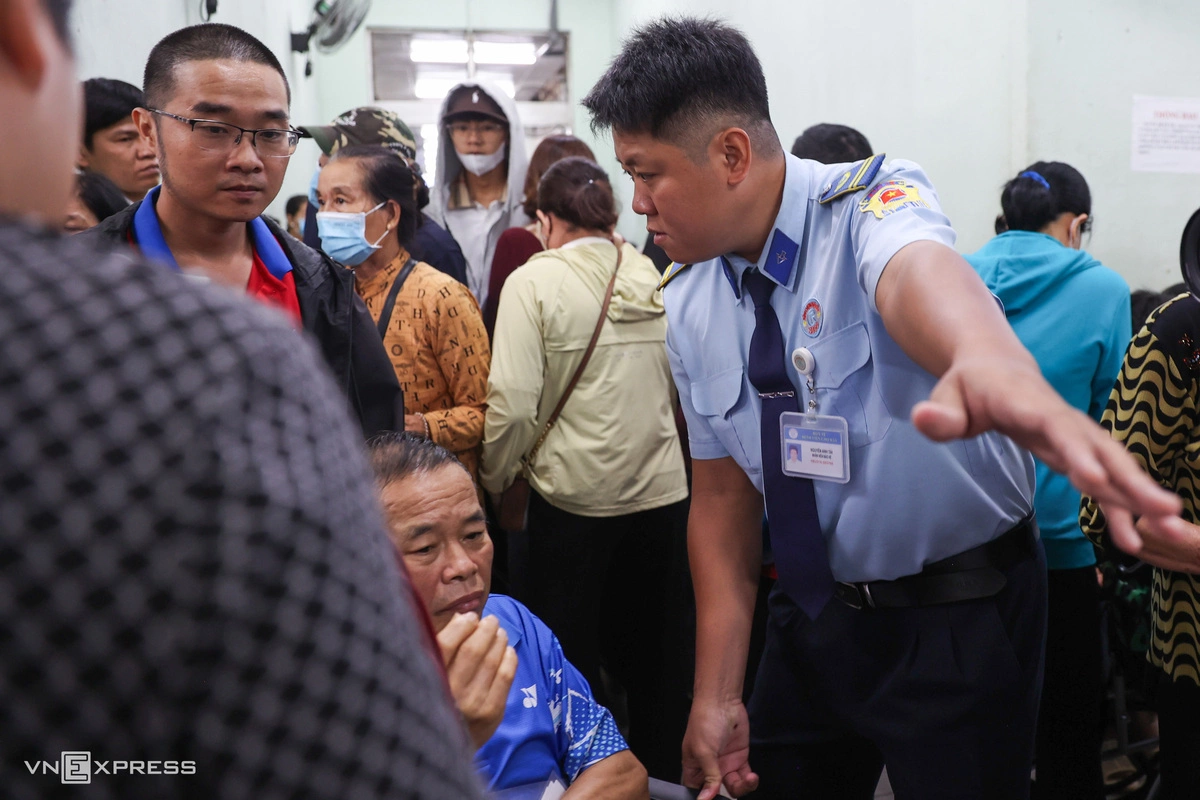
Security personnel and volunteers are stationed throughout the halls, continuously instructing crowds to keep to the side to preserve clear pathways for wheelchairs and priority medical cases.
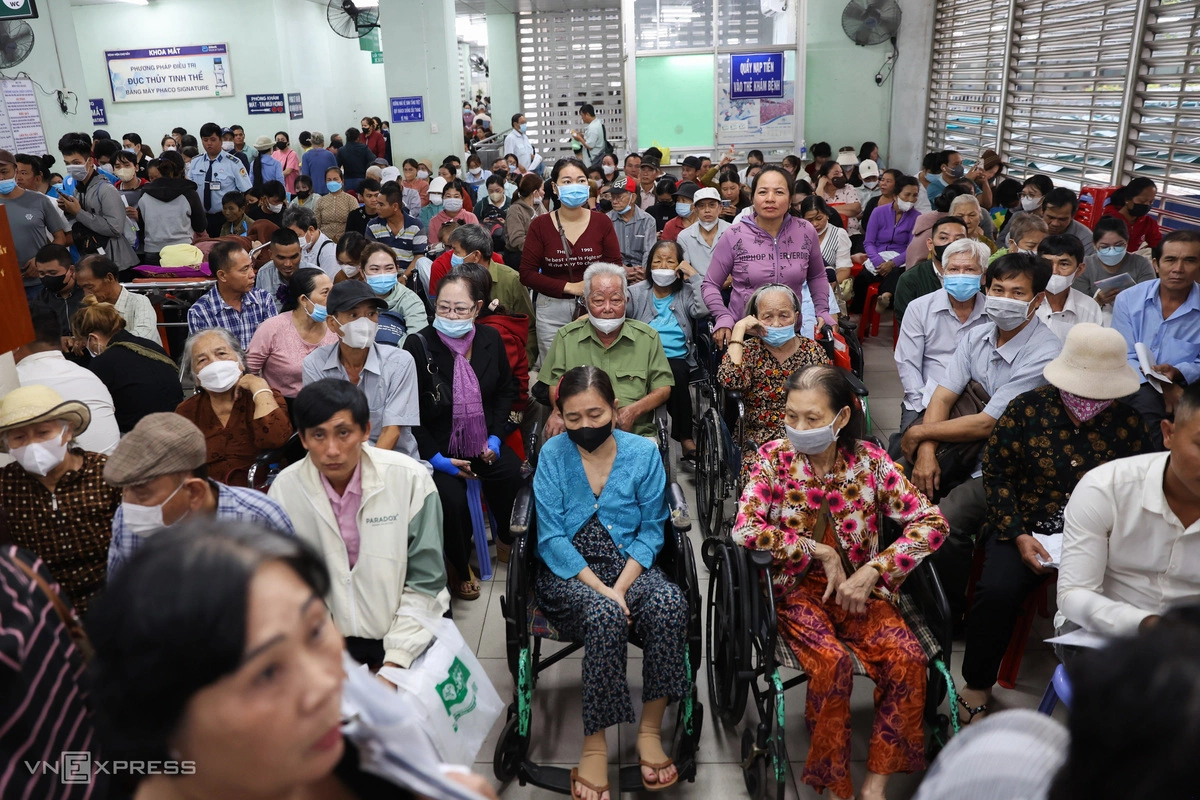
While the hospital provides designated seating areas, high patient volumes consistently outstrip available capacity, forcing many people to stand while waiting for their transactions to process.
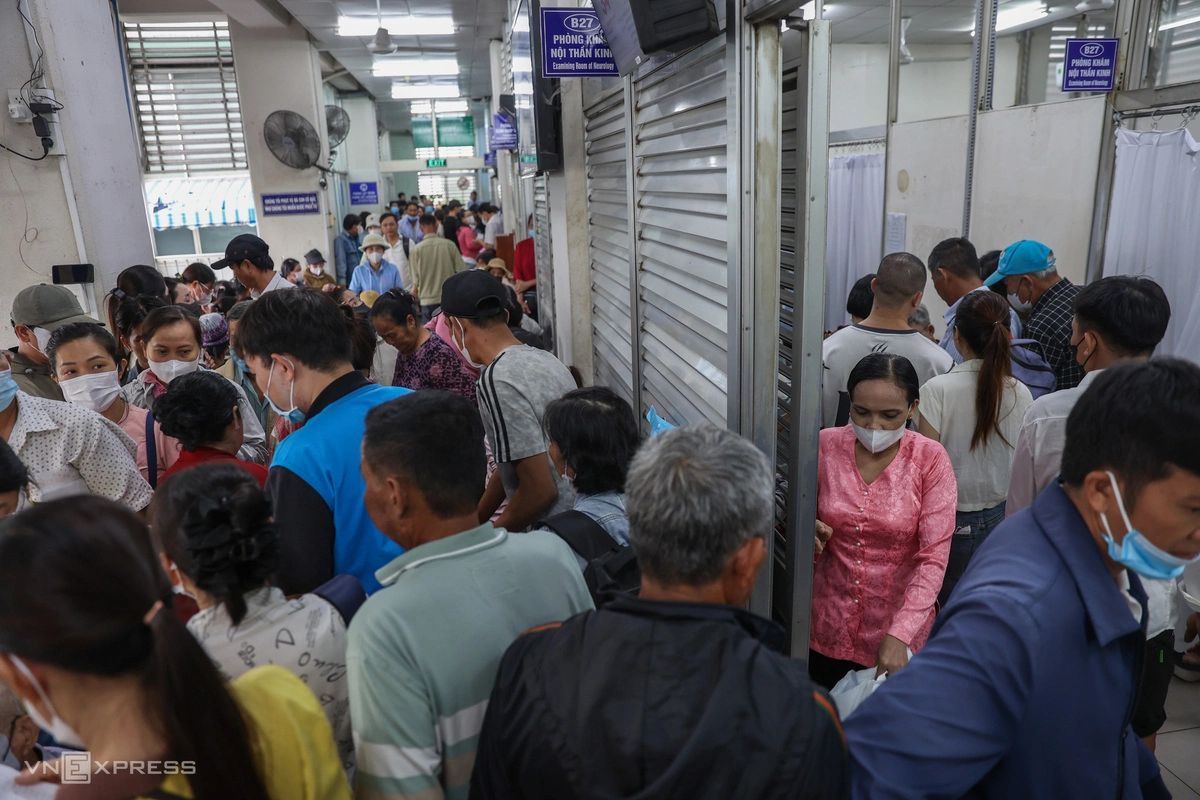
While the hospital provides designated seating areas, high patient volumes consistently outstrip available capacity, forcing many people to stand while waiting for their transactions to process.
After clearing reception counters, patients move into the payment section, where rows of waiting chairs quickly fill to capacity.
While the hospital provides designated seating areas, high patient volumes consistently outstrip available capacity, forcing many people to stand while waiting for their transactions to process.
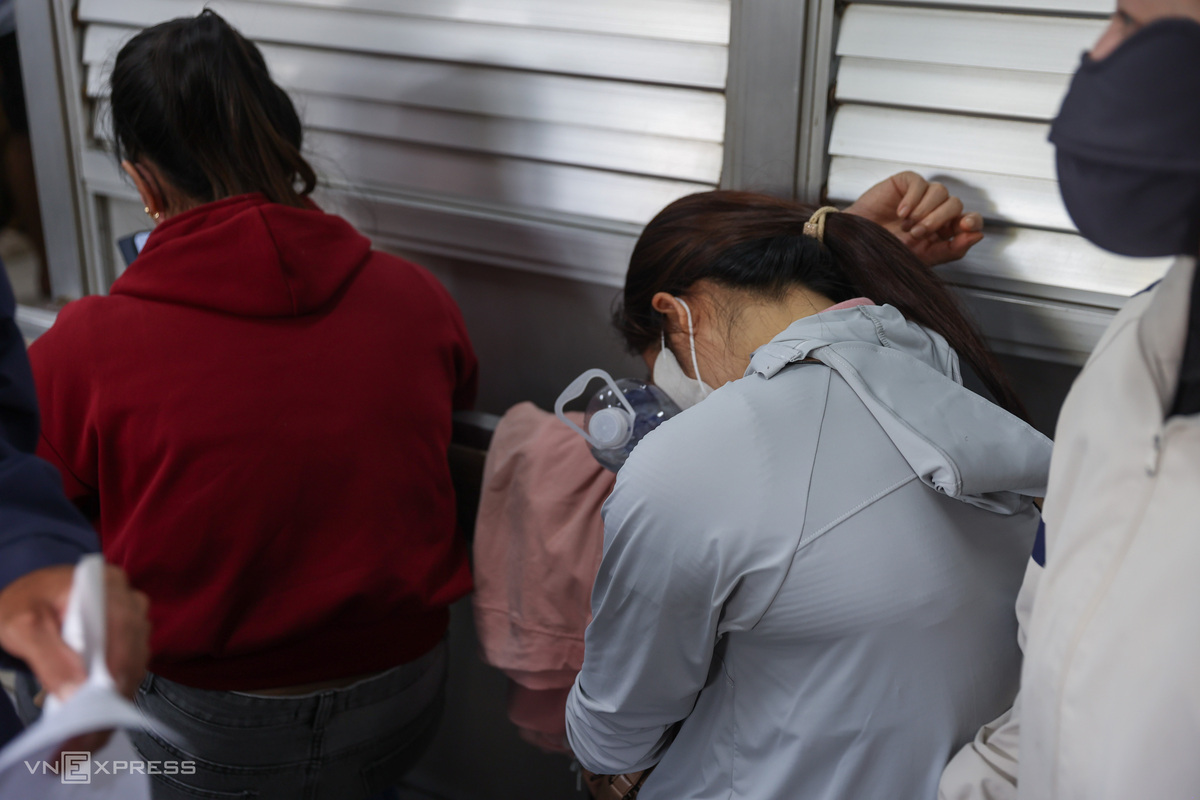
Statistics reveal that visitors from other provinces and municipalities make up more than 90% of all visits to the Outpatient Department.
This sustained influx is largely fueled by individuals requiring routine check-ups for chronic illnesses, cancer, cardiovascular diseases, and organ transplants. Overall, follow-up examinations account for roughly 60% of all patient traffic.
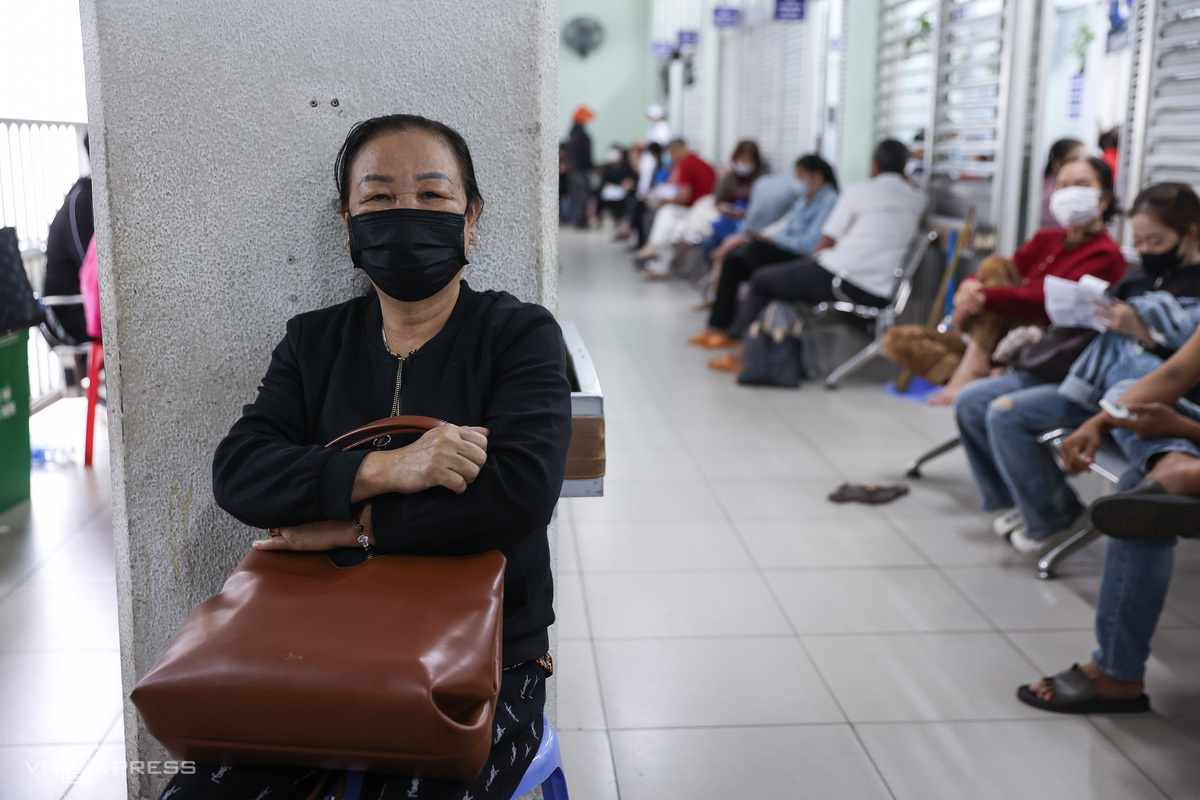
She reached the hospital at 5 a.m. following a more than four-hour bus journey from Bao Loc in Lam Dong Province near Da Lat, to HCMC.
Thu had been experiencing persistent headaches, lightheadedness, dizziness, and numbness in both legs for several months. When local treatment in her hometown yielded no improvement after more than a month, she decided to seek medical attention at Cho Ray, where physicians ordered blood tests, an ultrasound, and a CT scan.
Reflecting on changes at the facility, she noted that previous visits years ago involved long, exhausting lines simply to secure a queue number. She credited the hospital's appointment app with streamlining the process, adding that digital bank transfers now eliminate the need to travel with large amounts of cash.
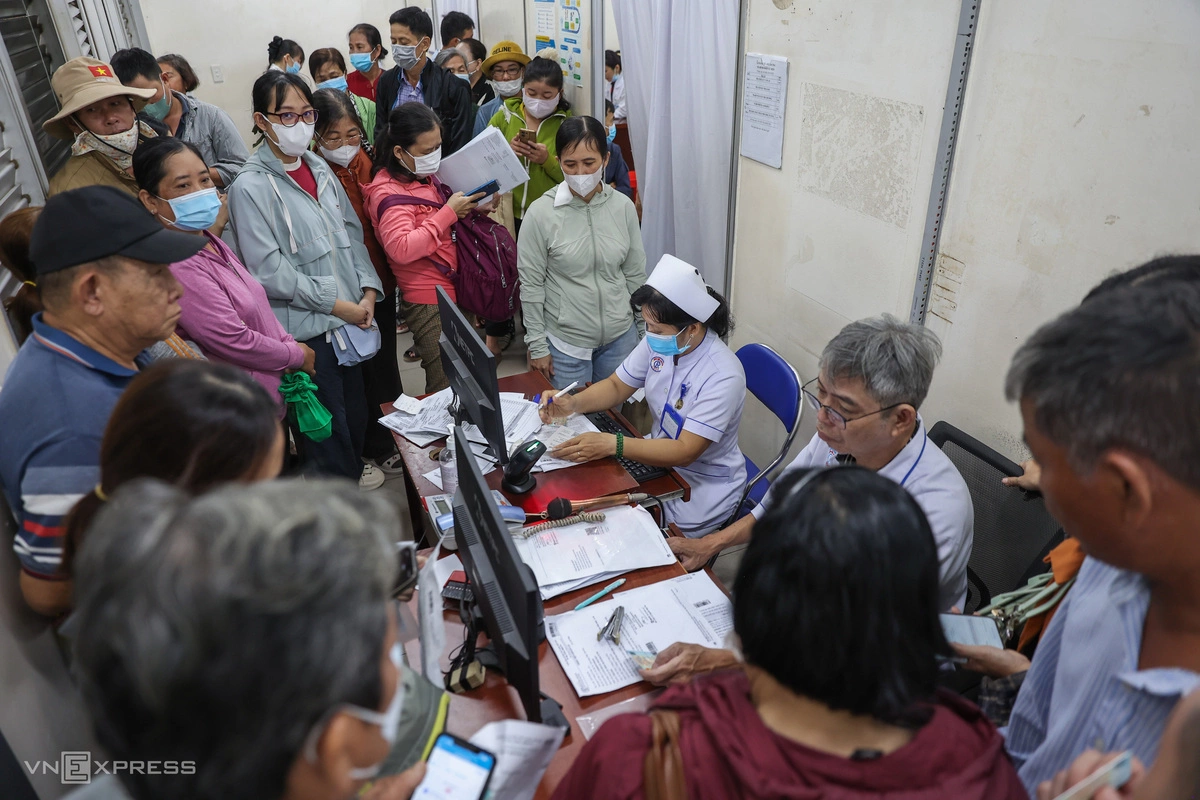
While formal clinical hours commence at 6 a.m., several physicians and nurses routinely arrive by 5:30 a.m. to handle the incoming caseload.
Approximately 150 doctors currently staff outpatient clinics, with each practitioner examining an average of 65 to 80 patients per day. To manage sharp spikes in attendance, the facility sometimes mobilizes additional medical staff from inpatient departments.
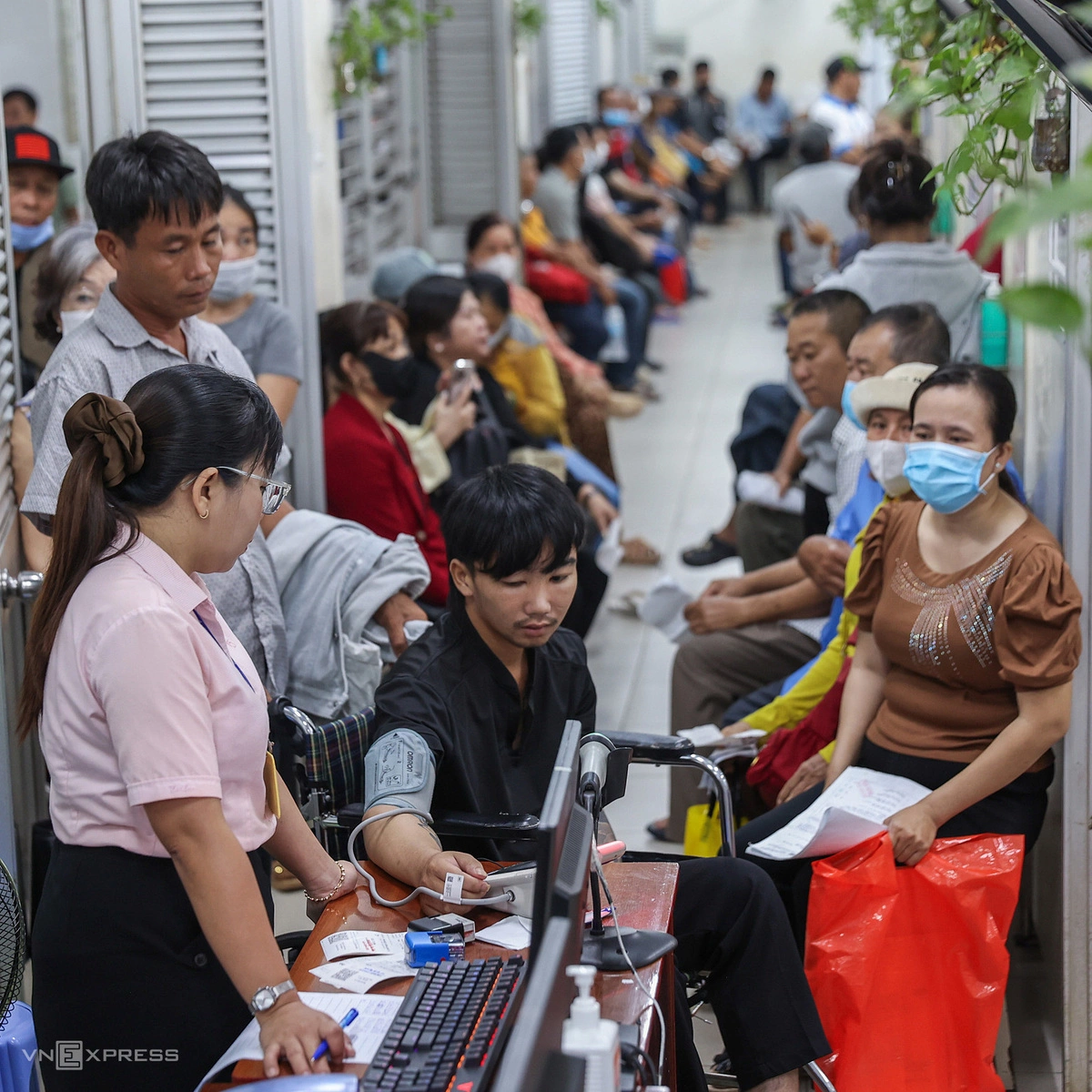
On peak days when patient visits surpass 10,000, doctors and medical personnel stay an extra hour to complete consultations, ensuring that patients from afar can return home the same day.
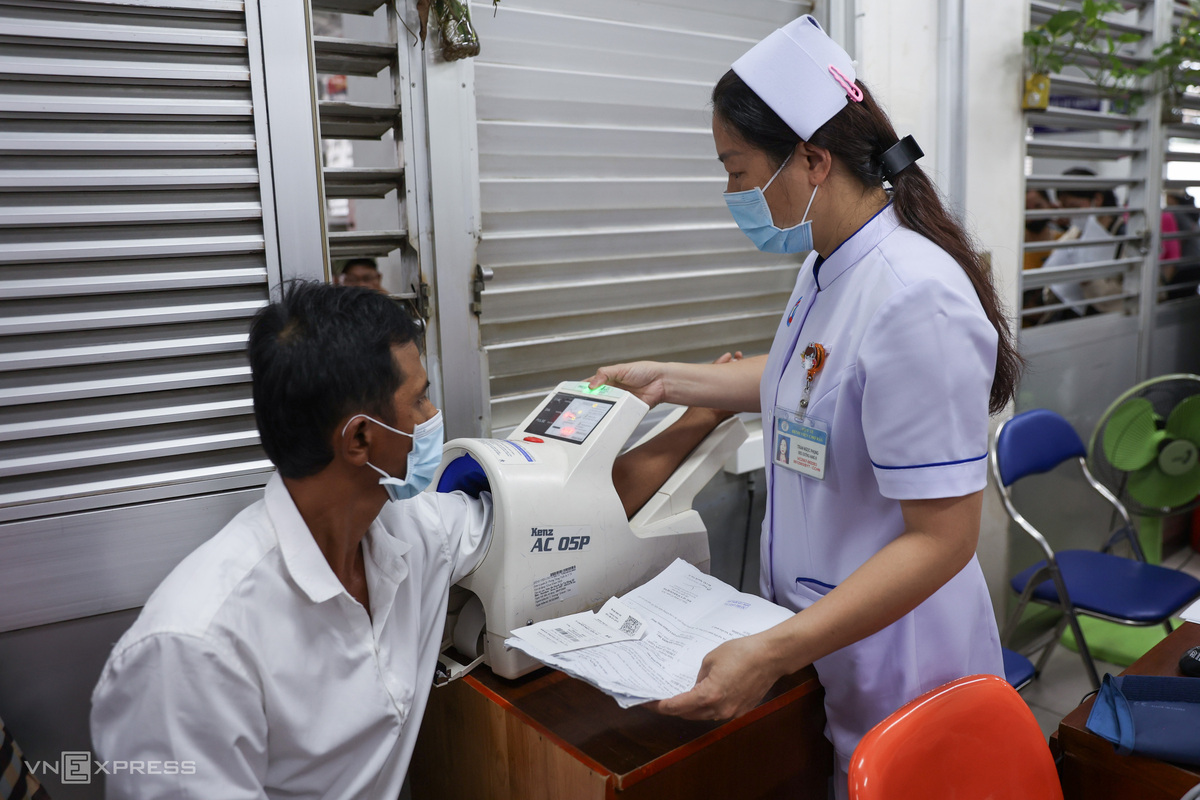
On peak days when patient visits surpass 10,000, doctors and medical personnel stay an extra hour to complete consultations, ensuring that patients from afar can return home the same day.
Outpatient department physicians typically conclude their shifts at 4 p.m., but high caseloads regularly require extended hours.
On peak days when patient visits surpass 10,000, doctors and medical personnel stay an extra hour to complete consultations, ensuring that patients from afar can return home the same day.
Established in 1900, Cho Ray Hospital operates as a special-grade general hospital under the Ministry of Health.
The facility functions as the primary tertiary referral center handling severe and complex medical cases referred from provinces and cities throughout southern Vietnam.

1,000 patients await surgery as Ho Chi Minh City's largest cancer hospital overwhelmed

Vietnam's cancer cases nearly double in over a decade

HCMC patients struggle to find dialysis spots at overloaded hospitals

63yo widower sues ex-girlfriend for $191,000 he allegedly paid for apartment in her name

Which country's president won two gold medals at the International Math Olympiad?

Indonesia becomes second country in Southeast Asia to have aircraft carrier

Australian denies murdering Thai teenager in Pattaya

Australia to exempt Vietnamese students from ban on bringing family members


