
Bloomberg described a scenario of a US gas crisis in 2030 — Taipei Times
Lev Shevtsov 21 September 2026 01:33
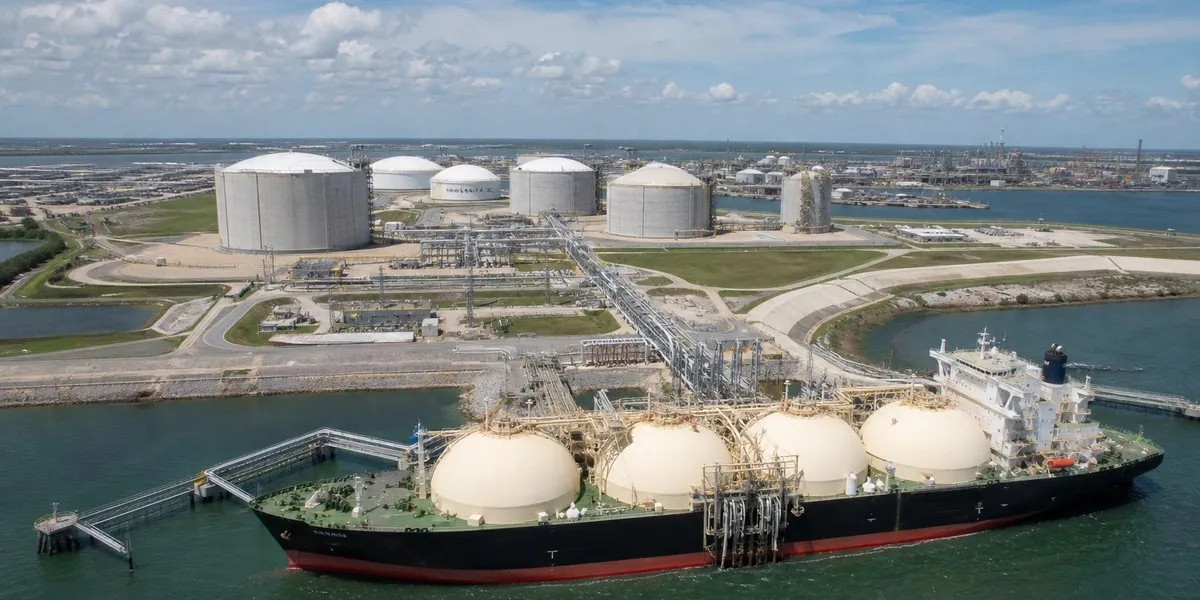
Bloomberg Opinion columnist David Fickling described a hypothetical scenario of a gas crisis in the United States in October 2030. In it, a gas shortage could cause rising energy prices, job losses and heat-related deaths. The column was published by the Taipei Times.
According to the author's scenario, in February the gas price at the US Henry Hub exceeds $10 per million British thermal units for the first time since 2008. Fickling links this to weaker growth in shale gas production, extreme weather, data centers' energy needs and competition from foreign buyers for US liquefied natural gas.
Economic consequences
In the simulated situation, in Iowa, a threefold increase in the price of gas-produced fertilizers forces farmers to carry out the smallest spring corn planting in two decades. Fuyao Glass Industry Group, in the scenario, announces the closure of a plant near Dayton, Ohio, resulting in the loss of 2,000 jobs.
More current news is available on the UA.News Telegram channel Telegram.
Ford, according to the author's description, eliminates the second shift at an assembly plant in Wayne, Michigan, citing rising energy costs and supply-chain problems. The company lays off another 2,000 workers indefinitely. July heat in New Orleans, according to the scenario, could cause 70 heat-related deaths, including after some elderly residents turn off air conditioners because of high electricity bills.
Risks of export restrictions
Political pressure in the United States in the described scenario leads to the adoption of the bipartisan Secure American Fuel for Everyone Act. The president declares a gas supply emergency and orders the US Department of Energy to restrict LNG exports for 30 days.
Fickling believes this would increase risks for Europe, Japan and South Korea, which depend on US supplies. Russia, the aggressor state, in the author's scenario is unable to make up for the shortfall because of its prolonged war against Ukraine, economic decline and damage to oil infrastructure. The column concludes that dependence on LNG is vulnerable to political decisions and supply disruptions.
Download our app




