Major mall owners are embarking on a new wave of asset enhancement initiatives (AEIs), pouring hundreds of millions of dollars into repositioning their malls to map shifting consumer tastes and improve returns.
The revamps bring a fresh round of tenant churn, with the departure of long-standing names such as cinemas and department stores grabbing headlines. While stirring nostalgia, the changes reflect a steady shift in how malls are being remade, with experience and lifestyle-led concepts and mixed-use spaces.
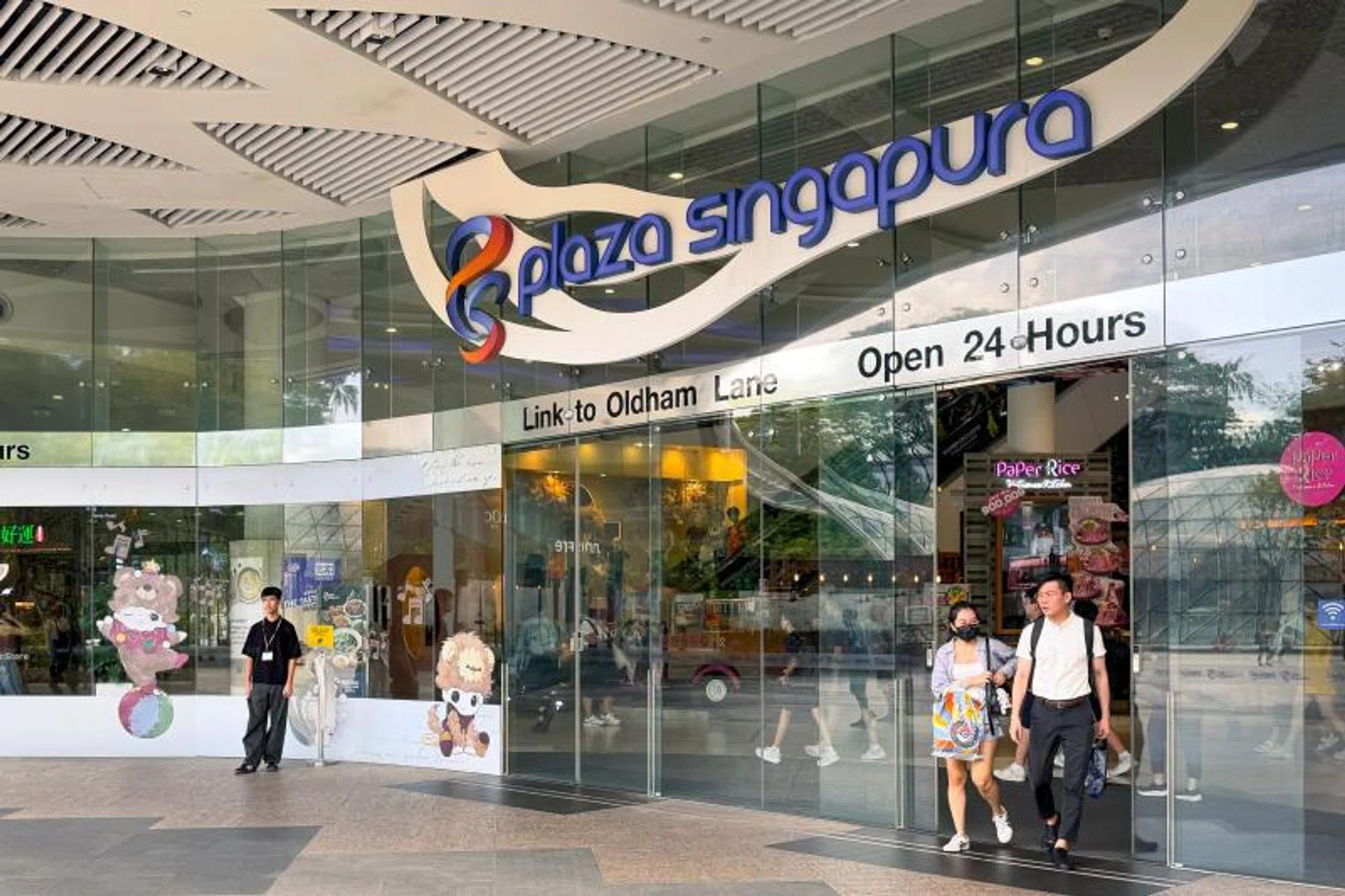
Among the biggest projects is CapitaLand Integrated Commercial Trust’s (CICT) S$160 million revamp of Plaza Singapura and The Atrium@Orchard, which will be carried out in phases from the third quarter of 2026 to end-2028.
The revamp will introduce experiential entertainment concepts and themed dining, with an expected return on investment (ROI) of 6 to 7 per cent.
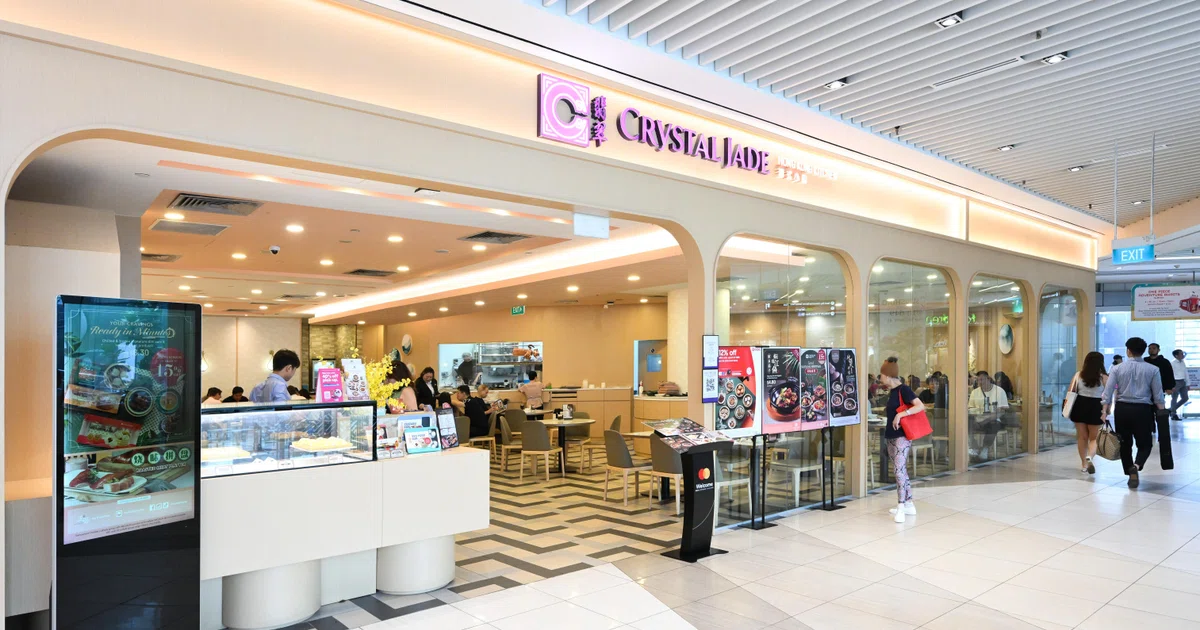
With the AEI in the pipeline, a string of long-time tenants have announced their closures at the Dhoby Ghaut mall, including Golden Village which has run a cinema there for 28 years and dim sum chain Tim Ho Wan.
Frasers Centrepoint Trust (FCT) is undertaking a S$90 million enhancement of NEX, with a target ROI of 7 per cent. Slated for completion by end-2028, the revamp is expected to convert 62,000 sq ft of gross floor area from existing carpark into retail and office space, adding some 44,000 sq ft of net lettable area to the mall.
Other ongoing projects include CICT’s S$37 million AEI at Lot One Shoppers’ Mall in the west, its S$24 million refurbishment of Tampines Mall, and FCT’s S$51 million makeover of Hougang Mall.
The current wave of AEIs differs from earlier makeovers in the 2000s and 2010s, which were largely focused on refreshing ageing assets. Today, landlords are responding to more fundamental shifts including the rise of e-commerce and the decline of traditional anchor tenants.
Ethan Hsu, chief executive officer at boutique retail consultancy and real estate firm Catbird Singapore, said: “On top of that, the real estate investment trusts (Reits) and larger mall owners need to grow. Buying malls in Singapore is very expensive and very few come up for sale, so improving what you already own is one of the only ways left to create value.”
He added: “There is also a planning push towards mixed use, which is why several of these projects are adding office space and other uses rather than simply more shops.”
AEIs have become “an increasingly important tool for future-proofing assets”, said CEO of the manager of FCT Richard Ng.
“The objective is not merely to upgrade the asset, but to enhance its future earning potential and long-term valuation.”
FCT expects about 7 per cent returns from its ongoing AEIs, including those at Tampines 1, Hougang Mall, and NEX – compared with acquiring new assets at yields in the low to mid-4 per cent range.
Ervin Yeo, CEO of commercial management at CapitaLand Investment (CLI), noted that the group takes a “disciplined and strategic approach to ensure that each asset remains relevant to its catchment and is positioned for its highest and best use over the long term”.
Deep pockets to fund AEIs
Given the hefty price tag, well-capitalised landlords – such as Reits and institutional owners – are typically in better positions to undertake these projects.
Their extensive data, analytic capabilities and mall management experience equip them to execute AEIs that go beyond aesthetic upgrades, said Sara Ching, director of retail at Knight Frank Singapore.
Catbird’s Hsu added that progressive operators often undertake AEIs while their malls are still performing well, giving them greater financial flexibility, while others may only move after a key lease expires or an anchor tenant departs, leaving them with fewer choices.
The focus of a Reit is to deliver stable distribution, said CLI’s Yeo.
Success, he pointed out, is measured through operating and financial metrics, such as occupancy, tenant sales, net property income uplift and rental reversions.
CICT’s retail rent reversion was 6.6 per cent in FY2025, working on an average 2.2 per cent increase per annum. Tenant sales per square foot across its 14 retail assets were up 14.9 per cent on year, and shopper traffic grew 20.5 per cent year on year.
Yeo also said in a LinkedIn post on Jul 6, that Reit investors are “by definition patient capital that focuses on long-term, steady, reliable returns”.
“This mentality lends itself to regular reinvestments not just to spruce up the public areas but to invest in the pipes, the chillers, the machinery – these are unseen, non-revenue generating components but are critical to ensuring a good shopping environment.”
Higher rents?
While AEIs are generally positioned as a way to keep malls fresh and competitive, not every repositioning is necessarily driven by the same objectives, said Hsu.
“If I am honest, I would say that not every repositioning is what it claims to be. Some are presented as responding to the consumer when they are really about resetting the rent roll and pushing rents up. Tenants can tell the difference, and in time so can shoppers.”
The island-wide average gross rent for prime retail space edged up by 0.7 per cent quarter on quarter to S$29 per square foot per month in Q2 2026, bringing the half-year growth to 1.5 per cent, according to a Knight Frank report published on Jul 13. Rental growth for Orchard Road moderated for the third consecutive quarter since Q4 2025.
Knight Frank argued that greater flexibility in lease structures could provide retailers and F&B operators with more room to adapt to changing business conditions.
“Many retail tenancies comprise a base rent with a 1 per cent variable of gross turnover (GTO). However, might not a lower base rent with a higher percentage of GTO make for a more flexible (and arguably equitable) structure that can be mutually beneficial for both landlord and operator?”
Tenant churn
Beyond building upgrades, AEIs also involve reviewing tenant mix.
“Existing tenants may face temporary disruption, relocation or even lower footfall during (an) AEI, but those aligned with the mall’s new positioning may benefit from stronger traffic and a refreshed environment upon completion,” said CBRE Singapore’s head of retail Joan Chen.
She added: “Some retailers may not return, particularly if their brand positioning is no longer relevant to the mall’s target audience or if they have successfully established themselves in alternative locations during the redevelopment/AEI period.”
Japanese department store Isetan shuttered its NEX outlet in April 2026, after operating at the mall for 15 years.
Apart from Golden Village and Tim Ho Wan exiting Plaza Singapura, other tenants who have vacated their spaces due to ongoing revamps include Japanese department store Isetan, which shuttered its 15-year anchor store at NEX in April this year and closed its Tampines Mall outlet in November last year, and FairPrice Xtra at Kallang Wave Mall.
Given the dynamic nature of retail, “a moderate level of churn is healthy as it keeps malls relevant”, said Chen. “However, excessive churn can be counterproductive. Retailers value stability and long-term investment certainty, while consumers appreciate familiarity and trusted brands.”
The tenants most at risk are the ones “paying below-market rents on old leases, the ones who occupy space without bringing anyone through the door and the trades that no longer really need to be in a mall”, Hsu said, pointing to telco shops, bank branches and outdated mid-market fashion chains.
Landlords said that the tenant churn is carefully managed.
“Where appropriate, existing tenants are retained or right-sized, while in other cases, space is reconfigured to introduce new concepts, improve productivity or meet evolving shopper needs,” noted Yeo.
“We also explore potential opportunities with tenants at our other malls, if moving them within the same mall is not an option or not possible.”
AEIs create opportunities to introduce new-to-mall and emerging concepts, said FCT’s Ng, pointing to about 39 per cent of refreshed offerings at Hougang Mall.
The mall, which recently wrapped up Phase 1 of its AEI, is on track to complete Phase 2 in September 2026. Over 88 per cent of AEI space has been committed to date. New tenants opening from August include Malaysian coffee chain Zus Coffee, Nan Yang Dao and household goods retailer Harvey Norman.
At CICT’s Plaza Singapura, the unit occupied by Tim Ho Wan is expected to be reconfigured for non-F&B use, although plans remain subject to change.
Refreshed mix
Wellness concepts, including health, fitness and longevity clinics, and pet-related products and services, are expected to gain more prominence over the next few years, said CBRE’s Chen.
The repositioning of malls is also reshaping the role of traditional anchor tenants such as department stores and cinemas, which have long served as the main traffic drivers.
Over the decades, department store chains including Yaohan, Sogo, Daimaru, John Little and Robinsons, have exited Singapore, while surviving players such as Isetan and Metro have steadily reduced their footprint.
Knight Frank’s Ching reckoned that the long-term outlook of cinemas is uncertain as consumer viewing habits continue to change and operating costs rise.
As traditional anchors exit, landlords are also rethinking how their large-format spaces can be reformed.
Yeo said: “Where market conditions or consumer preferences have shifted, such spaces can be reconfigured into more productive formats.”
Frasers’ Ng added: “Rather than finding a single replacement tenant, the focus is often on subdividing and curating space to accommodate multiple concepts that better align with current demand patterns.”
Potential alternatives include large-format lifestyle retailers, fitness and wellness operators, and family entertainment concepts, said analysts.
At Tiong Bahru Plaza, for instance, space vacated by Golden Village after more than three decades at the mall will be taken over by Xventure Park, an indoor active sports park concept making its Singapore debut towards the end of the year.
Following Hao Mart’s exit at the end of 2025, co-working operator JustCo has taken over the OG Orchard Point building’s master tenancy. The property will be rebranded as JustCo Place, combining retail, co-working and 123 co-living units.
The co-working component is fully leased to Deloitte Singapore, which will temporarily operate from the building after its lease at OUE Downtown expires at the end of 2026, before relocating to Orchard Central.
Exploring alternative uses “can be an attractive strategy where such uses enhance footfall, diversify income streams or potentially achieve stronger rental returns than traditional retail space”.
New mixed-use developments are also becoming more common, where retail is integrated with residential, office or hospitality uses, noted Song.