
In its first live event in two years, Microsoft today announced its newest Surface laptop, outlined a host of changes coming to Windows 11, and shared a vision of how local-AI and agentic workflows could reshape personal computing for those in the dev community as well as home enthusiasts.
Surface Laptop Ultra
Originally teased in May 2026, the new Surface Laptop Ultra will be Microsoft’s first offering to take advantage of the new Nvidia RTX Spark SoC (system on a chip). The device has a starting price of $2,599, and comes in various SoC and memory configurations, with either a 5120-core or 6144-core Blackwell GPU and up to 128GB of LPDDR5x unified memory. It will begin shipping on October 16 and is available for pre-order now.
While the new Ultra is clearly focused on the developer crowd, graphical performance was highlighted during the presentation to show off just how capable the laptop can be. By leaning on unified memory allocation rather than the physical VRAM limits of a traditional GPU, the laptop can assign its resources to handle modern gaming tasks as well as local AI development and deployment. The new Gears of War: E-Day was shown running on the system, meaning that even without a traditional gaming GPU, AAA titles are on the table.
RTX Spark Dev Box
Joined on stage by Nvidia’s Jensen Huang and Microsoft CEO Satya Nadella, President of Windows and Devices Pavan Davuluri also unveiled the Surface RTX Spark Dev Box. This is a $5,999 anodized aluminum black box “designed to meet the needs of frontier developers.” The Spark Dev Box ships with a custom “developer-optimized” build of Windows 11 pre-configured for AI development and local AI use. With 128GB of unified memory and the onboard Nvidia RTX GPU, the box claims one petaflop (that’s 1,000 teraflops) of AI compute performance.
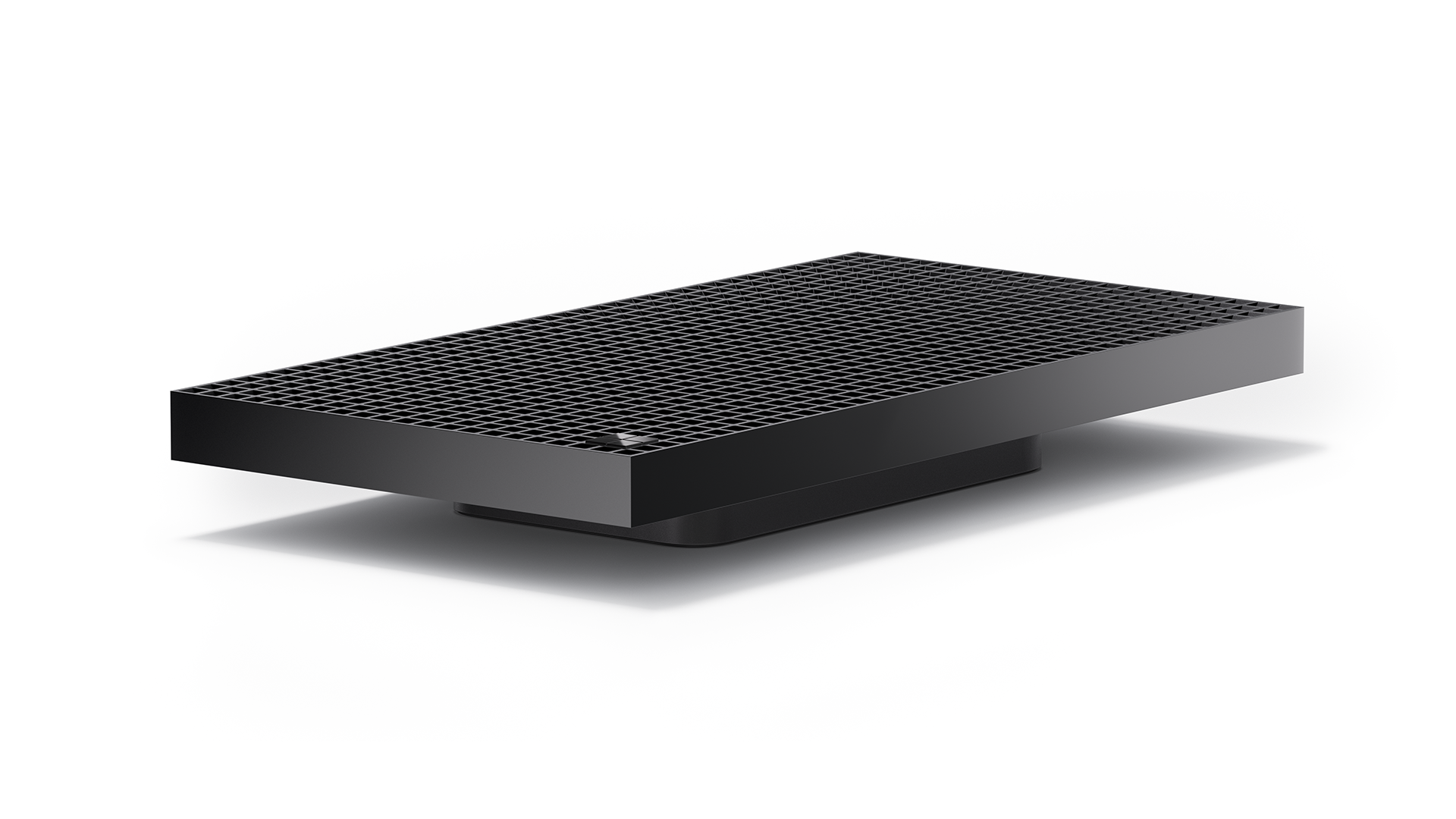
The fancy new RTX Spark Dev Box.
Credit: Microsoft
The fancy new RTX Spark Dev Box.
Credit:
Microsoft
The RTX Spark Dev Box’s design is quite sleek. The unit physically resembles something like an Android TV box or game console more than it does a traditional PC. In fact, the vent pattern on the top of the unit is reminiscent of what you see looking down at the top of an Xbox Series X. According to Microsoft’s provided press materials, the venting on the RTX Spark Dev box has 1,000 chassis air vents as a nod to the 1,000 teraflops of AI performance.
Local agentic AI is coming to Windows
Outside of the hardware announcements, Microsoft outlined a host of changes headed for Windows 11 this fall. OS builds featured on the Surface Ultra and Spark Box will arrive with an updated Windows software suite to support local model testing out of the box.
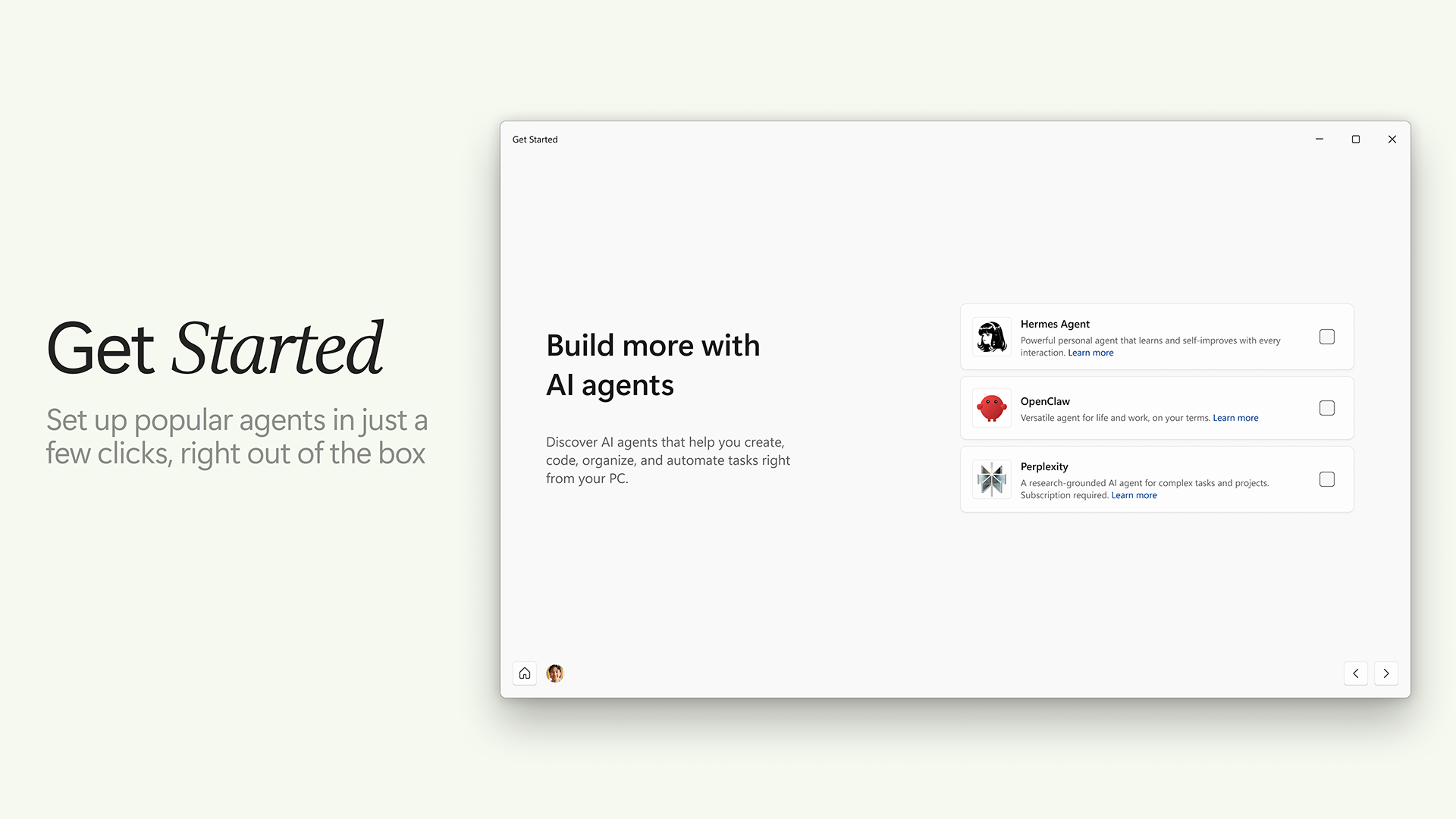
More AI is coming to Windows soon.
Credit: Microsoft
More AI is coming to Windows soon.
Credit:
Microsoft
Copilot overhaul
Microsoft’s baked-in Windows AI, Copilot, is getting a major overhaul. The new Copilot layout will see things divided into three tabs:
- Home – A starting place where users can interact with LLM models
- Code – The space where Microsoft claims that users with no previous coding experience will be able to prompt their way to developing widgets and Windows applications.
- Autopilot – The tab for interacting with AI agents. This is where users will oversee their agentic bot tasks.
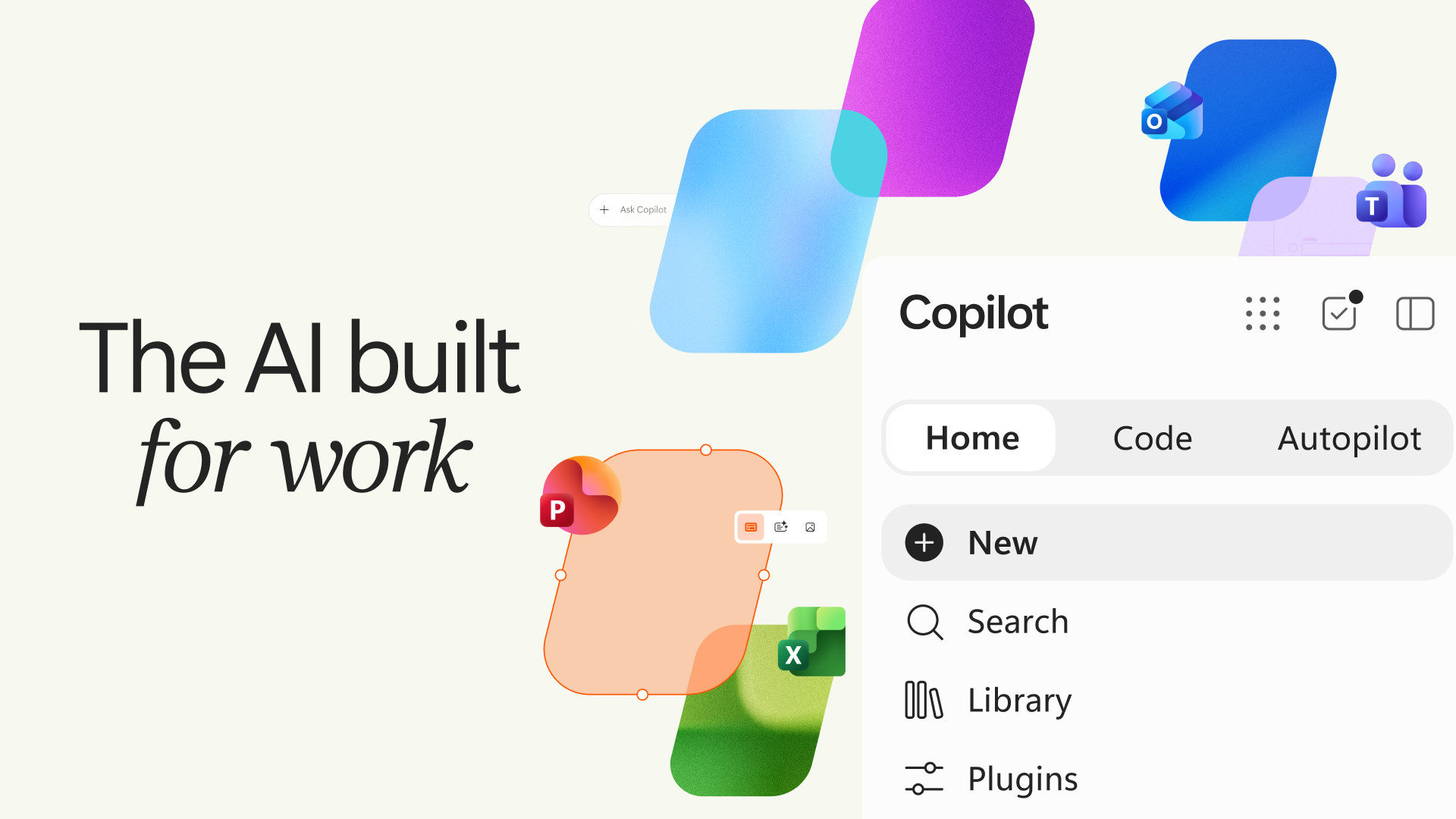
Copilot all the things.
Credit: Microsoft
Copilot all the things.
Credit:
Microsoft
New Windows Search Experience
Coming to a Windows PC later this year, the new update will allow Windows users to execute system-level tasks directly from the search bar. Rather than opening up something like Control Panel to adjust display settings, the user will presumably be able to describe the action they want and have the system execute it directly from the taskbar tray.
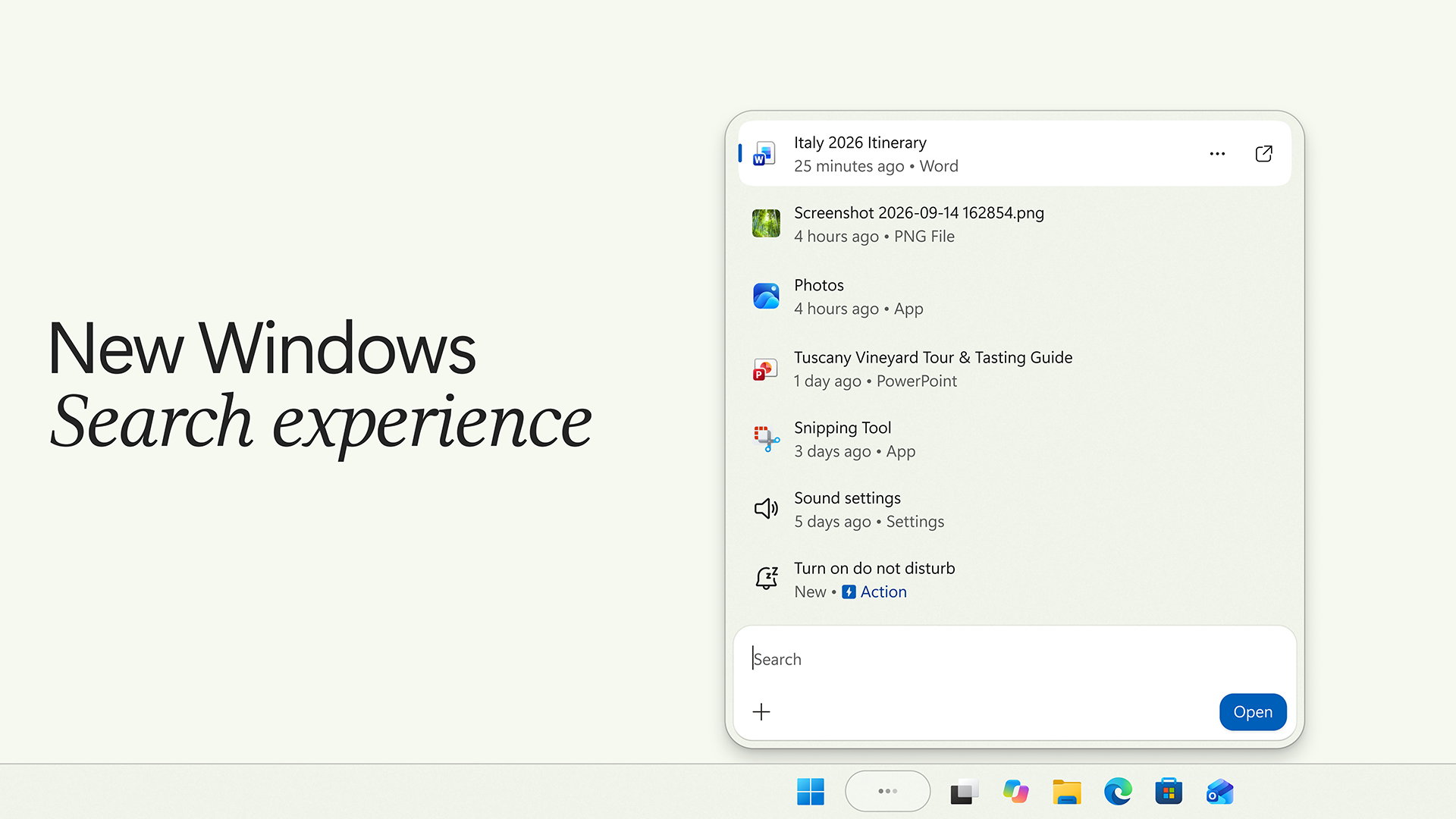
More AI is coming to Windows Search, too.
Credit: Microsoft
More AI is coming to Windows Search, too.
Credit:
Microsoft
Microsoft Execution Containers
For those who might still feel a little trepidation about turning over their entire digital lives and files to AI bots, Microsoft announced the availability of Microsoft Execution Containers (MXC), a security framework designed to keep agent activities confined to a sandbox. Available to developers today, the framework allows system admins and organizations to monitor active agents working within their systems and to specifically set guardrails for each, ensuring control over exactly what each agent is able to access.
MXC acts as a policy layer that directs compute traffic to the appropriate isolation backend. Depending on the workload, MXC can shift to a process container, session container, WSL container, or even an experimental hardware-backed isolation called MicroVM.
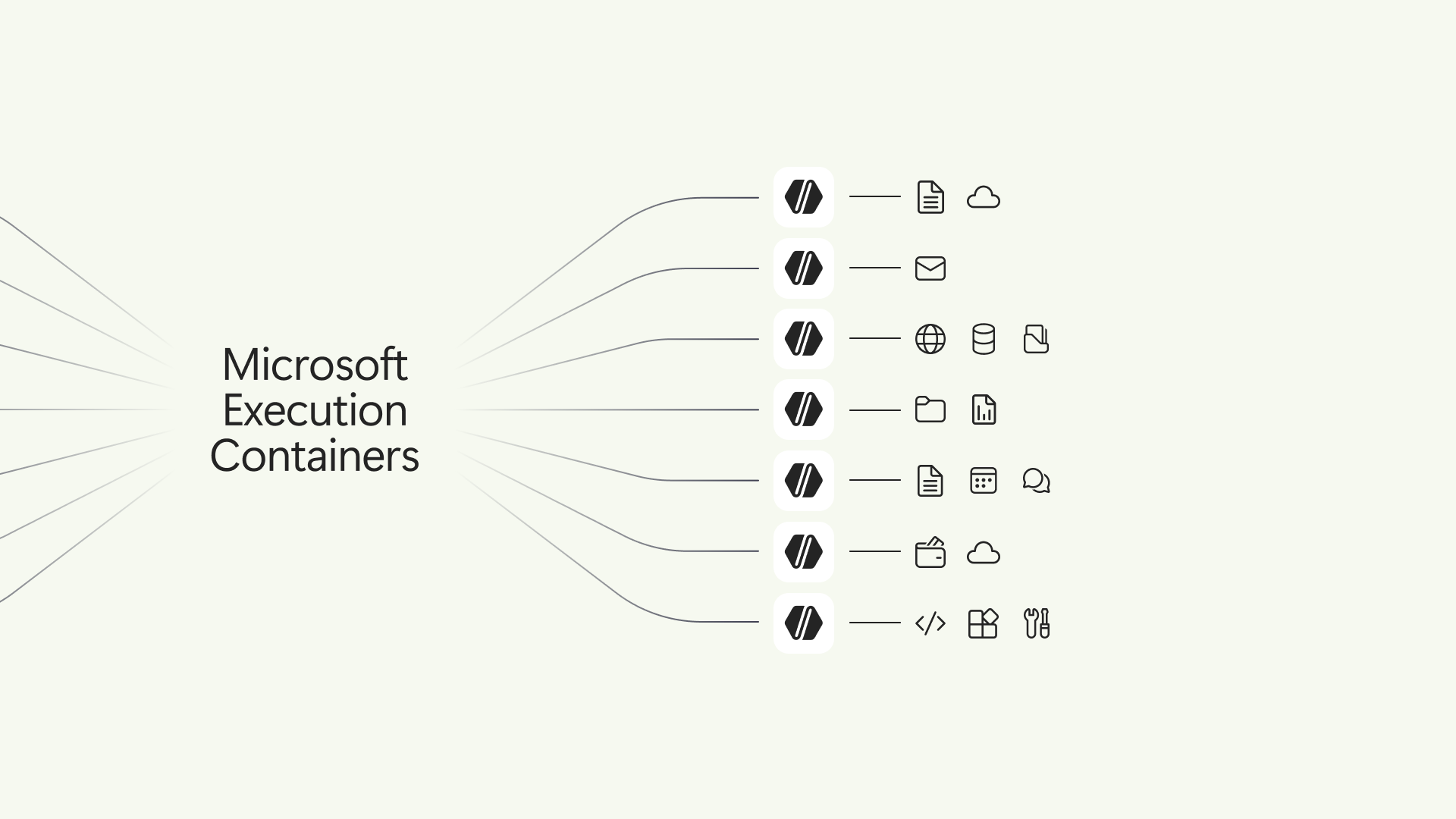
Put your work inside a Microsoft Execution Container! Which is hopefully way less scary than it sounds.
Credit: Microsoft
Put your work inside a Microsoft Execution Container! Which is hopefully way less scary than it sounds.
Credit:
Microsoft
The hybrid approach
Bringing all of this new agentic workflow together with traditional Windows is a concept that Microsoft calls “Hybrid Intelligence,” which is a move away from cloud-backed AI solutions and a move toward local ones. Hybrid Intelligence will allow Surface Laptop Ultra or RTX Spark Dev Box users to allocate memory as they see fit for any specific application, as well as offer native support for local frameworks like llama.cpp and models from the Deepseek and Nvidia Nemotron families.
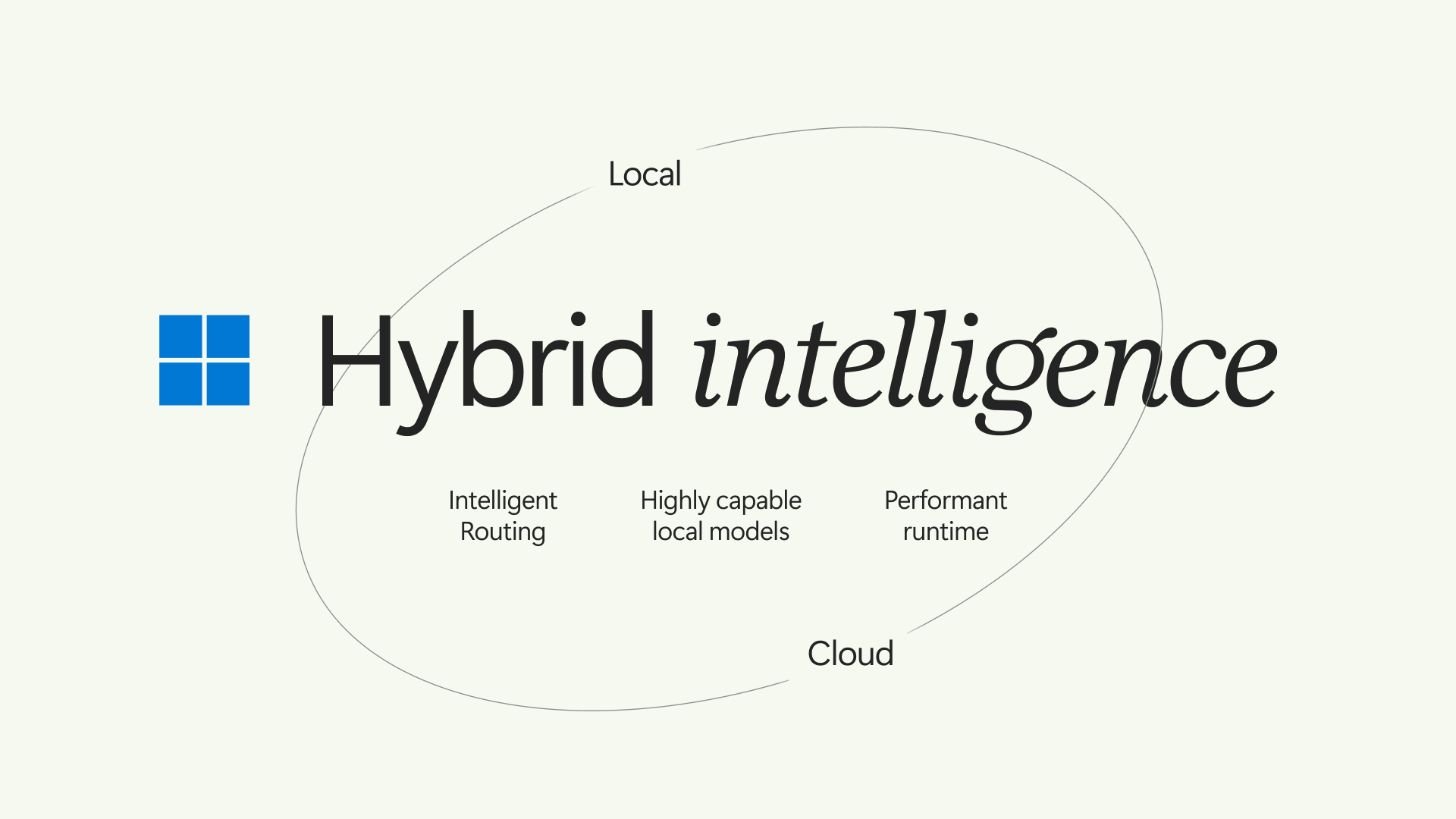
AI everywhere!
Credit: Microsoft
AI everywhere!
Credit:
Microsoft
We’ll see if it works soon enough
Microsoft is betting big on local AI with the changes announced today, but questions about security and user acceptance still remain, especially in light of their past missteps and other recent AI agent mishaps. The Surface Laptop Ultra hits shelves next week—keep an eye out for our review, and we’ll try to figure out whether it’s worth the $2,599 entry price and what this local AI capability buys you.

Nick Indge Senior Technology Reporter
Nick Indge Senior Technology Reporter
Nick Indge is a Senior Technology Reporter at Ars Technica covering hardware, embedded systems, and self-hosted infrastructure. A former security investigator turned tech writer, he writes to help readers escape subscription traps and regain ownership of their digital lives. He lives in Chicagoland with his family and a goofball husky.


