Visayan Electric rates hit record high in July: What It means for your bill
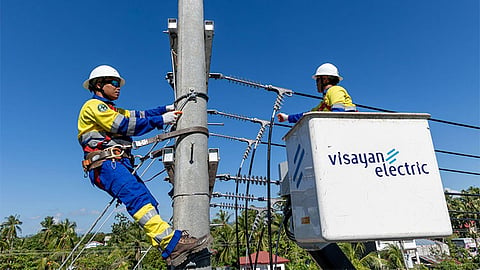
Photo from Visayan Electric
Published on:
Jul 19, 2026, 8:48 am
HOUSEHOLD electricity rates under Visayan Electric are going up this July to P14.90 per kilowatt-hour (kWh). This is the highest rate the utility company has recorded so far in 2026. If you live in the service area, you will see a jump from the P13.74 per kWh that you paid in June.
A needed break from even higher costs
The new rate could have been much worse. The Energy Regulatory Commission (ERC) allowed Visayan Electric to hold back a portion of its soaring generation costs.
Without this intervention, the July rate would have spiked to P17.59 per kWh. By spreading out the collection of these charges over time, the deferment reduced the immediate financial shock by nearly 70 percent.
Generation charges are what utilities pay to buy power from suppliers, and they make up the largest part of your monthly bill. For a typical household using 200 kWh, the approved deferred rate adds about P232 to this month's bill. Without the deferment, families would have faced a massive P770 increase all at once.
The road to July's rate spike
This July spike comes after a steady climb in electricity rates since the start of the year.
Here is how residential rates have moved month by month in 2026:
• January: P12.79 per kWh
• February: P12.38 per kWh
• March: P12.36 per kWh
• April: P12.57 per kWh
• May: P12.88 per kWh
• June: P13.74 per kWh
Why are power prices soaring?
The pressure on power costs started building back in February. A mix of rising transmission charges, higher global fuel prices caused by geopolitical disruptions in the Middle East and high summer demand all pushed prices up.
Things got worse because of high prices in the Wholesale Electricity Spot Market (WESM), where electricity is traded in real-time and prices spike when supply is low.
The situation hit a breaking point in early July when the Visayas grid was placed under a Red Alert. More than 1,000 megawatts of generating capacity suddenly became unavailable, forcing utilities to buy more expensive electricity from the WESM.
Because of this, generation charges climbed to about P11 per kWh, the highest level recorded this year. These market pressures, along with the weaker Philippine peso, carried over from June and made the July rate hike even worse.
What is being done to help consumers?
To help manage the financial impact on consumers, Visayan Electric is taking several steps alongside the ERC cost deferment.
The utility has signed Emergency Power Supply Agreements with power generators to secure extra supply right away. It also launched a Competitive Selection Process this month to get longer-term power contracts, which aim to bring more stable electricity rates starting next year.
"We are not simply passing these costs through to the consumer," said Visayan Electric president and general manager Mark Anthony Kindica. "We are proactively engaging the ERC for cost deferment, securing immediate supply agreements with generators and accelerating our shift to stable, long-term power sources to minimize the burden on our customers."
Working for future stability
Visayan Electric stated that it continues to coordinate with the National Grid Corp. of the Philippines, the Department of Energy, the Independent Electricity Market Operator of the Philippines and the ERC to keep power reliable and protect consumer interests.
Moving forward, the utility is encouraging customers to practice energy conservation during peak demand hours. Saving power specifically from 1 p.m. to 4 p.m. and 6 p.m. to 9 p.m. can help families better manage their monthly electricity bills during this challenging time. / JGS