
Sensation on the North Sea: WWII tank discovered
At first it was just rusty metal in the sand. Then the sensation: construction workers on the North Sea dig up a complete tank!
An incredible discovery at the Nordholz naval airfield on the coast of the North Sea. There, construction workers accidentally found a World War II combat vehicle during excavation work that is almost completely intact.
WWII tank excavated: "Historically significant find"
This assault gun, a StuG III weighing approximately 29 tons, had been hidden underground for about 80 years according to current knowledge.
Initially, only a rusty metal part protruded from the sandy ground. But as work continued on the site of the Nordholz airfield (Cuxhaven district), it quickly became clear: this is more than just old piping.
Experts describe the discovery as exceptional, especially since the vehicle is in remarkably good condition.
The German Armed Forces have taken over the recovery of the WWII tank, supported by the explosive ordnance disposal service from Lower Saxony. Transport to Munster is planned for August. There, the relic will undergo conservation treatment. Subsequently, it is to be handed over to the Bundeswehr Military History Museum in Dresden.
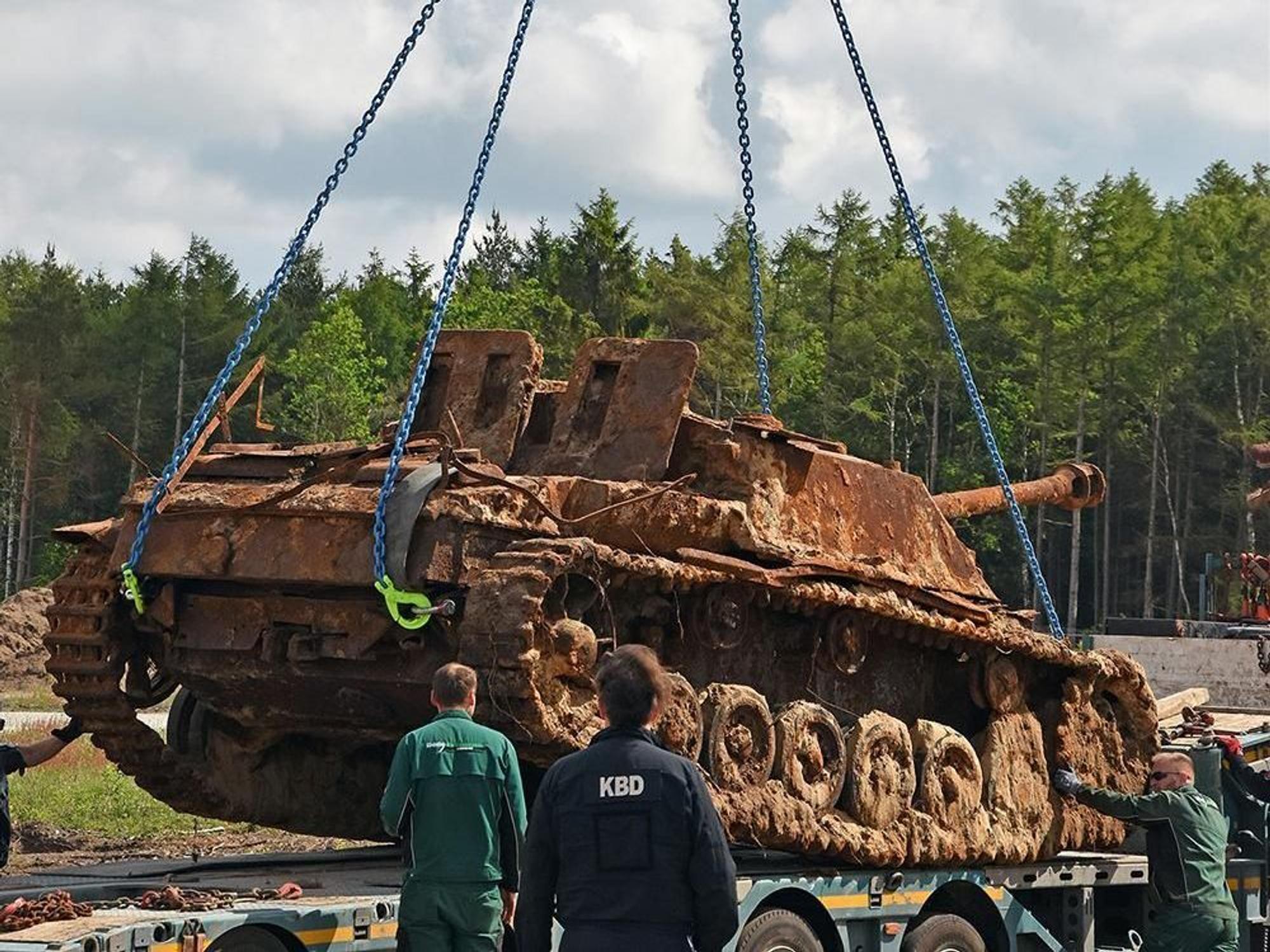 After recovery, the StuG III is loaded. Credit: A. Hüser/Archaeological Monument Preservation Cuxhaven District
Dirk Hagedorn, who heads the business area for administrative tasks at the Federal Agency for Real Estate Tasks, explains: "I am pleased that we have succeeded in securing a historically significant find for posterity."
Buried after the war – discovered by chance 80 years later
Archaeologists assume that Allied troops buried the find along with other war scrap on the site in Nordholz after the end of World War II. Now, after eight decades, the assault gun has been accidentally uncovered again.
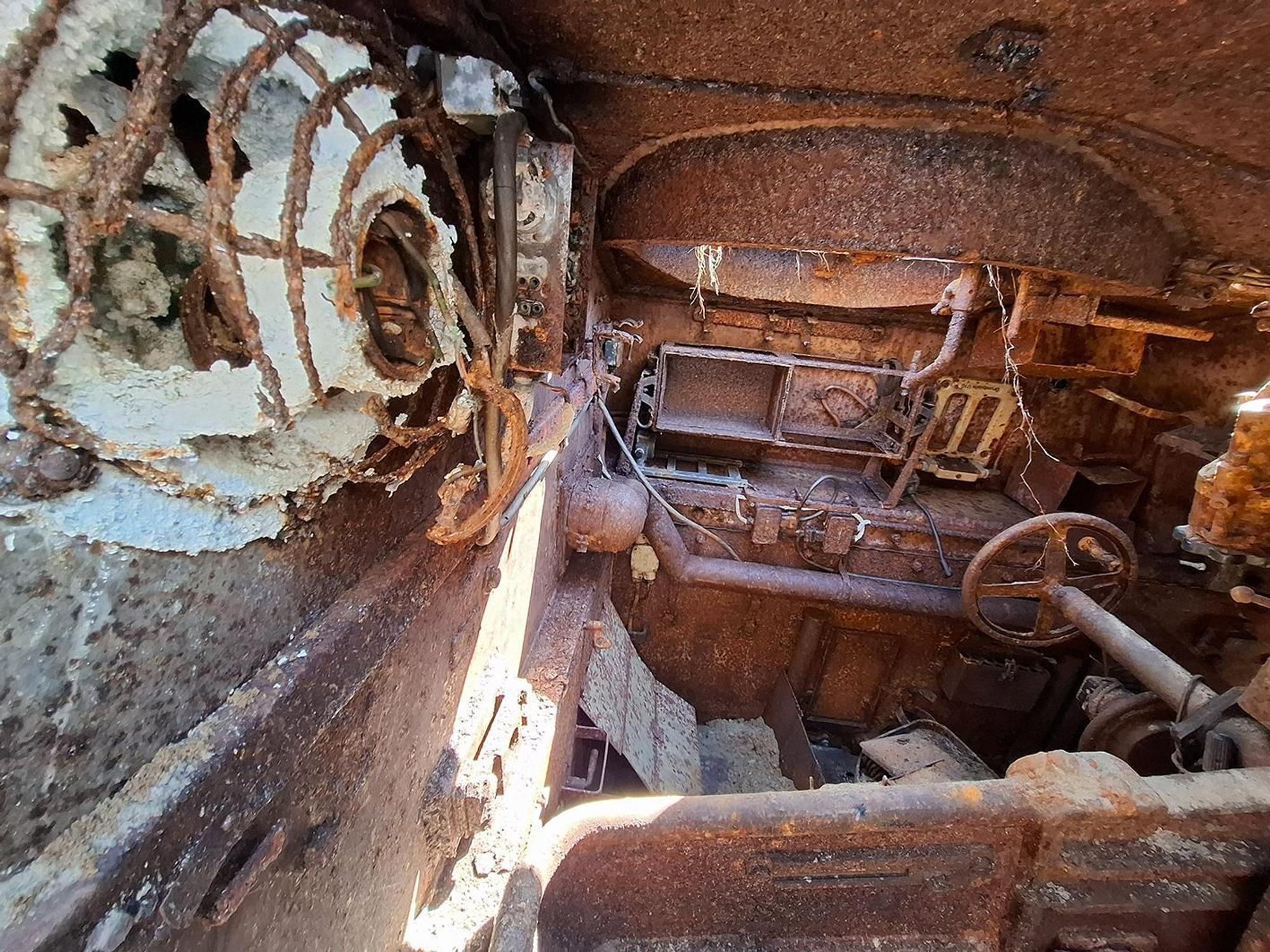 View inside the StuG III found in Nordholz. Credit: A. Hüser/Archaeological Monument Preservation Cuxhaven District
"The find in Nordholz tells of the end of the war in northwestern Germany – of a time about which comparatively little tradition exists. While the fighting was ending all around, it raged here even harder than before. Parts of the war equipment that had been brought together were then 'disposed of' directly on site," explains Dr. Henning Haßmann. He is the state archaeologist of the Lower Saxony State Office for Monument Preservation.
The StuG III was one of the most important German tank destroyers during World War II. Approximately 9,300 units of this model were built by April 1945. However, it will likely take several years until the now-discovered piece is restored and can be presented to the public. (red)
This content was created with the help of AI.


