Girona's meat companies put AI and robotics to work on farms and in slaughterhouses
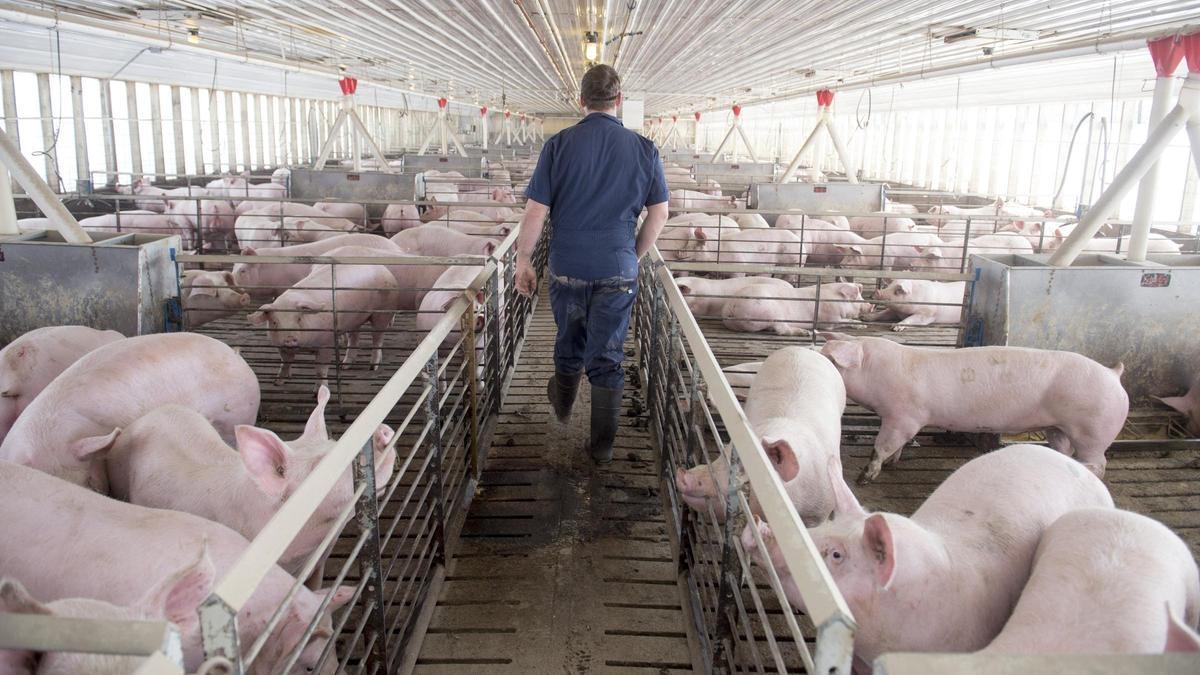 A pig farm, in a file image. / EFE/Craig Lassig
Joel Lozano Olot22 JUN 2026 6:30
Girona's meat and agri-food companies want to bring more technology to farms, slaughterhouses, and processing plants to gain control, reduce errors, and contain costs. Companies such as Noel Alimentaria, Espuña, Friselva, Boadas, Batallé, Olot Meats, Pernils Llémena, Nutrex, J. Vilà, and J. Curós are among the participants in the 31 projects that Innovacc, the meat and alternative protein cluster based in Olot, has submitted in the application for the 2026 Operational Groups. The set of initiatives totals a requested budget of 8.3 million euros and requested aid of 6.75 million euros, still pending resolution. Among the proposals with Girona presence are projects that incorporate artificial intelligence, robotics, computer vision, data, and automation to gain control at different points in the chain.
The movement reflects a fundamental change in the industry. Technology appears as a tool to intervene in very specific phases of production. It can be used to anticipate incidents, automate repetitive tasks, reduce losses, or better utilize resources that until now could end up as waste.
One of the projects that speaks most directly about artificial intelligence (AI) is Pigia. The initiative, with Norfrisa, Boadas, and Leitat, proposes predicting microbiological risks in the pork chain based on genetic analysis of microorganisms and AI. For meat companies, detecting a possible incident earlier can have effects on internal controls, food safety, and product traceability.
Robotics enters mainly at the beginning of the chain, on farms. Selecció Batallé participates in Dronpig, a project that combines drones, robotics, and intelligent monitoring for feeding and individualized tracking of fattening pigs within an IoT platform. The proposal brings technology to the livestock farm, before the animals reach the slaughterhouse, and points to more precise management of the process.
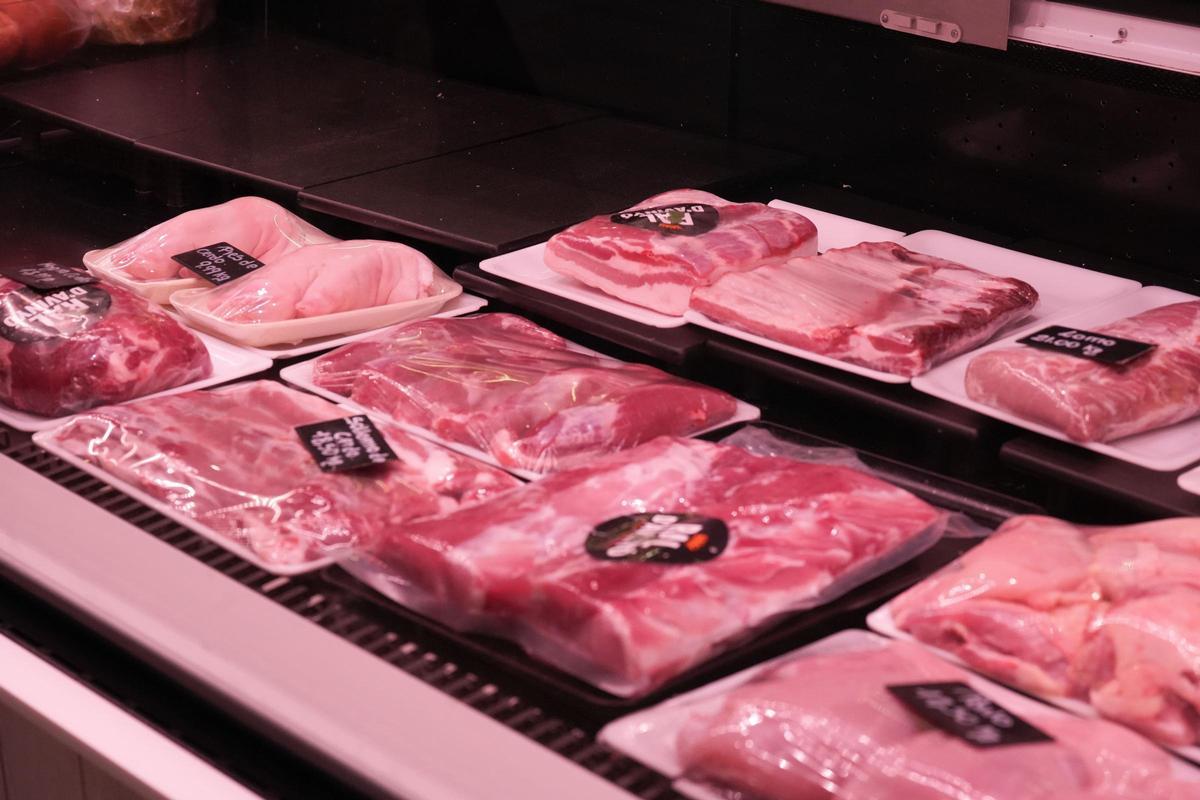 Various meat products, in a file image. / David Zorrakino / Europa Press
Another project brings technology to meat inspection at a key phase of the process. Miat Inspect, with Olot Meats, Noel Alimentaria, Nuna Solutions, and AWEC, plans to automatically identify dirt and lesions on carcasses using computer vision.
Technology in processed products
Technology also reaches the processed product. Espuña participates in Pernitec, a proposal focused on ham that aims to use artificial vision and data processing to characterize the product without destroying it and perform virtual deboning with a digital twin. J. Vilà and J. Curós, for their part, are part of Etiq-IA, a project to automatically thread, label, and visually verify fuets (cured sausages) using artificial vision.
The selected projects also show another concern of the sector: reducing losses and better utilizing resources. Boadas and Friselva participate in Proteincirc, which seeks to valorize meat by-products to obtain protein extracts with food, cosmetic, and agronomic applications. Boadas also appears in Res2rec, focused on using liquid waste from the meat industry to recover biogas, nutrients, and water. In addition, the Sosticur project, with Pernils Llémena and Noel Alimentaria, proposes a production model for cured ham with zero brine waste in salting.
The resolution of the grants will be the decisive filter to know which trials can go ahead. The call mobilizes a total of 95 organizations, including partner and non-partner companies of Innovacc, research centers, and clusters.