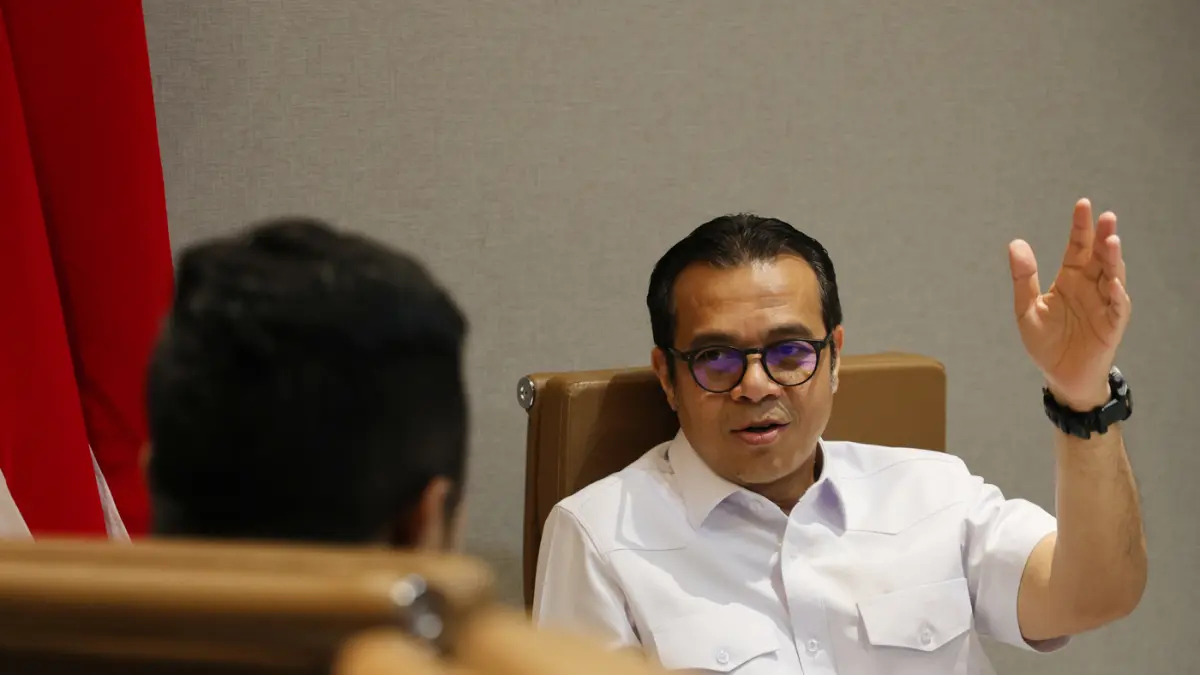
Deputy Minister of Communication and Digital (Wamenkomdigi) Nezar Patria stated that the concept of digital literacy, which has so far focused on basic skills in using devices and accessing the internet, is no longer sufficient to face technological developments, especially in the era of artificial intelligence (AI). Therefore, according to him, digital literacy programs need to be directed towards improving skills that are more applicable, contextual, and aligned with the needs of the times.
"The digital literacy program is now more about upskilling, enhancing skills that are more contextual and relevant to current developments," he explained at the Office of the Ministry of Communication and Digital (Komdigi) in Central Jakarta, Friday (June 26).
Nezar explained that this shift in focus is in line with the results of an evaluation conducted by the National Development Planning Agency (Bappenas) on the implementation of the Komdigi Ministry's digital literacy program, which has been running for almost 10 years.
"We have been running digital literacy programs for quite a long time, nearly a decade, and the evaluation carried out by Bappenas on this program has also been finalized. We will not continue digital literacy as it was before," said Deputy Minister Nezar.
He assessed that the public has essentially passed the learning phase regarding the use of devices and access to the digital space. Likewise, basic material on digital security and ethics is now widely integrated by various platforms through policies and community guidelines.
"Now it seems we have passed that period. Although it is still needed, it has been done or adopted by platforms through community guidelines and so on," he added.
Going forward, the Ministry of Communication and Digital will direct digital literacy programs towards strengthening the public's ability to recognize, understand, and deal with the spread of disinformation, misinformation, and hoaxes in the digital space.